

In the final article of his sustainability series, Dr John Fry explores why changing the golf course is only part of the challenge – and how bringing golfers along on the journey may be just as important.
In the first article of this series, it was argued that conversations about sustainability should begin with a simple question: Who are we as a golf club?
The second article explored how that identity can shape the golf course itself. A clear sense of identity can help clubs make decisions about the character, condition and management of their course, creating something that is more natural, resilient, strategic and distinctive.
But there is one final piece of the puzzle. What happens when the golf course changes, but the expectations of the people playing it do not?
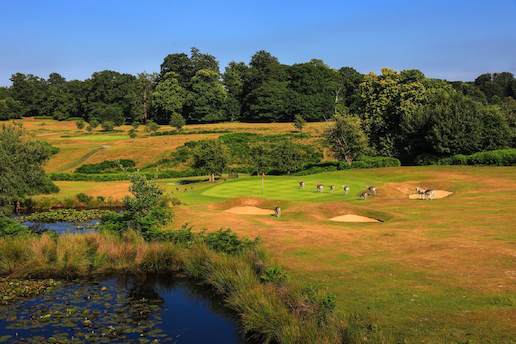
A club can make thoughtful decisions about its landscape, reduce inputs and create a more sustainable course. Yet if golfers simply see longer rough, firmer fairways or more natural areas as a reduction in standards, the benefits can quickly become lost.
Sustainability isn’t just about the course, it’s about the golfer conversations that frame it.
The expectation gap
Golfers develop expectations. Members become accustomed to how their course looks in summer, how closely the fairways are cut, how bunkers are presented and how quickly areas are brought back to their previous condition after bad weather.
These expectations are understandable. For many golfers, they are part of what defines a quality golf course. The challenge comes when the definition of quality begins to change.
The R&A’s Golf Course 2030 research recognises that as courses move towards more traditional and natural design characteristics, it becomes increasingly important to manage player expectations around what those courses will look like.
This doesn’t mean convincing golfers to accept lower standards. It means helping them understand a different type of standard.
Communicating the opportunity
Perhaps one of the biggest mistakes clubs can make is communicating sustainability purely in terms of what they are doing less of. Less mowing. Less irrigation. Less fertiliser. Less maintenance.
While these may be important operational outcomes, they don’t necessarily give golfers a reason to value the change. What if we changed the conversation?
The key is to explain why the change is being made and what it means for the golfer.
If an area is being allowed to develop a more natural character, golfers should understand why that decision has been made and how it fits into the wider vision for the course.
If fairways are being managed to encourage firmer conditions, the conversation can focus on how this may influence the way the course is played, creating different challenges and requiring greater creativity from the golfer.
Likewise, when areas are being naturalised, the purpose should be clear. These changes are not simply about reducing maintenance; they can contribute to the character, identity and sense of place of the golf course.
The objective isn’t to convince golfers that every change is automatically an improvement. It is to help them understand why the course is changing, what the club is trying to achieve, and what that means for their experience of the course.
Ultimately, sustainability should be presented as an opportunity to create something meaningful for the club and its golfers, rather than simply an exercise in doing less.
Helping golfers understand the story
The Golf Course 2030 research also highlights the rise of the ‘Experience Economy’, where consumers increasingly value memorable experiences, stories and a sense of authenticity. This creates an opportunity for golf clubs to celebrate the unique character of their courses and the environments in which they are played.
This is particularly relevant to sustainability. A naturalised area doesn’t have to be just a naturalised area. It can have a story.
Perhaps it reflects how the course looked 50 years ago. Perhaps it has restored an element of the original landscape. Perhaps it provides an important habitat. Perhaps it changes the way a hole is played.
Suddenly, the golfer isn’t simply seeing an area of longer grass. They are experiencing part of the story of the golf course.
This is where sustainability and the Experience Economy can work together. Heritage, landscape, natural beauty and course character can all become part of the experience that a club offers.
Bringing golfers into the journey
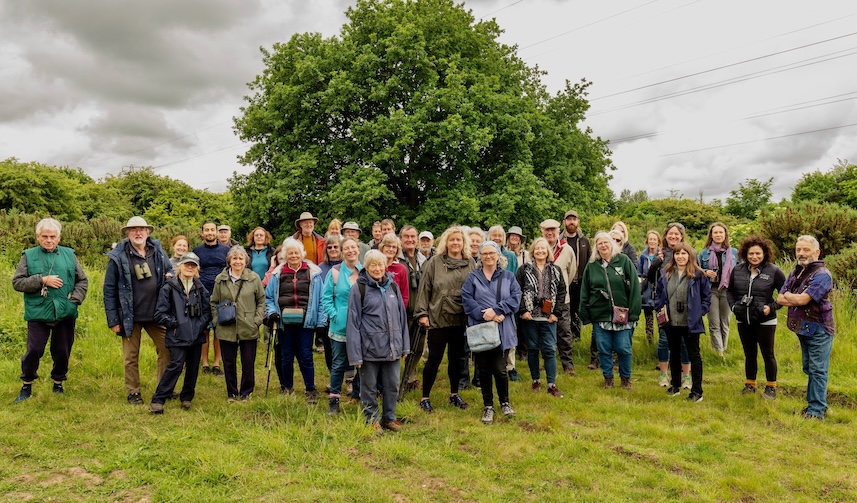
Communication shouldn’t begin once the work is finished. If a club knows that a particular area of the course is going to change, why not bring members into the conversation beforehand?
There is a simple principle behind this: people tend to be more accepting of change when they understand what is happening and what to expect.
Think about waiting for a train. The introduction of countdown boards on the London Underground gave passengers information about when the next train would arrive. The waiting time itself hadn’t necessarily changed, but the uncertainty had. Knowing when the train was coming made the experience feel more predictable.
The same principle applies to golf. Show members historical photographs. Explain what is being proposed. Invite them to walk the course with the greenkeeping team. Use the club newsletter and social media to explain the thinking behind changes. Put a small sign beside an area explaining its ecological or historical significance.
None of this needs to be complicated or expensive. The objective is simply to give golfers the context to understand what they are seeing and what to expect.
When people understand why something is happening, they are far more likely to see it as part of a deliberate vision rather than an unexplained change.
Managing expectations isn’t about convincing golfers to accept every change. It’s about making sure they understand the change before they experience it.
Creating a shared understanding
This also means sustainability cannot sit solely with the greenkeeping team. A greenkeeper might understand exactly why a particular area has been naturalised, why a bunker has been reshaped or why the course is being managed differently.
But if the committee, management team, professional and marketing team communicate something completely different, golfers will inevitably receive mixed messages.
This brings us back to one of the central themes from the first article in this series: alignment. Sustainability is not simply a greenkeeping issue. It involves management, marketing, membership, finance and the overall identity of the club.
Everyone needs to understand what the club is trying to achieve and, importantly, be able to explain it in the same way.
From maintenance to experience
Perhaps the biggest opportunity is to stop thinking about sustainability purely as a maintenance issue.
A golfer doesn’t necessarily experience a reduction in irrigation. They experience the course. They see the landscape. They feel the firmness of the fairway. They encounter natural vegetation. They play different types of shots. They notice the changing character of the course through the seasons.
These are experiences. And experiences are increasingly important to how consumers choose where they spend their time.
The Golf Course 2030 research suggests that the move towards more traditional and unique golf offerings provides an opportunity for clubs to promote the differences between courses and allow golfers to experience their environment in a more authentic way.
The conversation becomes less about what the club is doing differently and more about what those changes mean for the course and the experience of playing it.

Conclusion
The future of sustainable golf will not be determined solely by what happens on the golf course. It will also be determined by whether golfers understand why the course is changing – and whether they learn to value the difference. Sustainability is a shared experience.
The articles in this series have explored three connected questions. First: Who are we as a golf club? Second: What should our golf course look like? And finally: How do we bring our golfers with us?
The answers will be different for every club.
But the principle is the same.
Sustainability works best when it is connected to identity, expressed through the course and understood by the people who experience it.
Perhaps the greatest opportunity is not simply to create more sustainable golf courses, but to create courses that golfers understand, appreciate and ultimately become proud to be part of.
Sustainability isn’t something a golf club does to its members. It’s something a golf club and its members create together.

Managing Golfer Expectations – Key Points
• Sustainability requires golfers to understand why course management practices are changing.
• Communicating the opportunity is more powerful than simply explaining what is being reduced.
• Natural landscapes, heritage and course character can become part of the golfer experience.
• Telling the story behind course changes can help members understand and value them.
• Golfers should be involved in the sustainability journey rather than simply informed about completed changes.
• Management, marketing, greenkeeping and professional teams need to communicate a shared vision.
• Sustainability can enhance the experience and identity of a golf club, rather than simply reducing environmental impact.
• Successful sustainability is about creating a course that golfers understand, value and are proud to be part of.
For more information, contact Dr John Fry at jfry@myerscough.ac.uk or view University Centre Myerscough’s range of academic golf provision here: www.ucmyerscough.ac.uk
Learn more about The R&A’s Golf Course 2030 programme here: www.randa.org/en/what-is-gc2030


Leave a Reply