

The co-founder of Link Golf UK, Andrew Terry, which has quickly taken on seven golf clubs to operate, argues that club closures are rarely caused by one big disaster, but by years of deferred decisions and volunteer committees left to run a business they never signed up for – and sets out how his company’s model aims to change that.
In 2019 it was announced that Marland Golf Course in Rochdale was closing, having been losing around £200,000 a year, with rumours going around locally that the land was being lined up for development. Marland was the course my business partner Joe Jackson and I grew up on as kids, so we stepped in.


It’s still open today and there are more juniors playing there now than at any point I can remember. A year later Swinton Park Golf Club closed. A stark reminder of what can happen to those much-loved facilities.
Two clubs, 12 months apart and the difference between them had nothing to do with membership numbers or the quality of the golf. One of them got help while help could still change the outcome, and the other didn’t.
I’ve spent 25 years in this industry and the last seven of them looking hard at club finances up and down the country, which has led me to the view that almost every club that closes could have stayed open. What beats them is never one big disaster that everyone can point at. It’s the slow arithmetic of decisions deferred year after year and nobody stepping in early enough to stop the pattern.
If you’re a captain, secretary, treasurer, chairman or board director, this is written for you, because you’re the people who see the real numbers long before the membership does.
You joined a golf club and inherited a business
You’ll know the pattern. Energy bills, wages and machinery costs keep climbing while subscriptions go up three or four percent, because asking for what the club actually needs is almost impossible to defend at an AGM. The irrigation needs replacing and there’s no reserve to replace it with, so it gets nursed through another season, then it’s the roof, then the machinery fleet, then the drainage, and every year the club slips a bit further behind while the cost of catching up quietly grows. All of it lands on the same small group of volunteers.
You joined a golf club, but what you’re actually running is a complex golf, leisure and hospitality business, with a course, a clubhouse, food and beverage, retail, events, payroll, HR, procurement, health and safety, compliance, marketing and technology all sitting under you. No single club has the scale to do that efficiently and hardly any can afford to buy in professional expertise for one of those functions, never mind all of them.
That isn’t a failure of people. Some of the most capable people I’ve met in golf are unpaid volunteers giving up their weekends to keep the place running. It’s a failure of structure, which matters enormously, because a structural problem doesn’t get better when good people try harder at it.

Why Link Golf UK exists
We set the business up in 2019 for one reason, which was to stop the unnecessary closure of golf clubs.
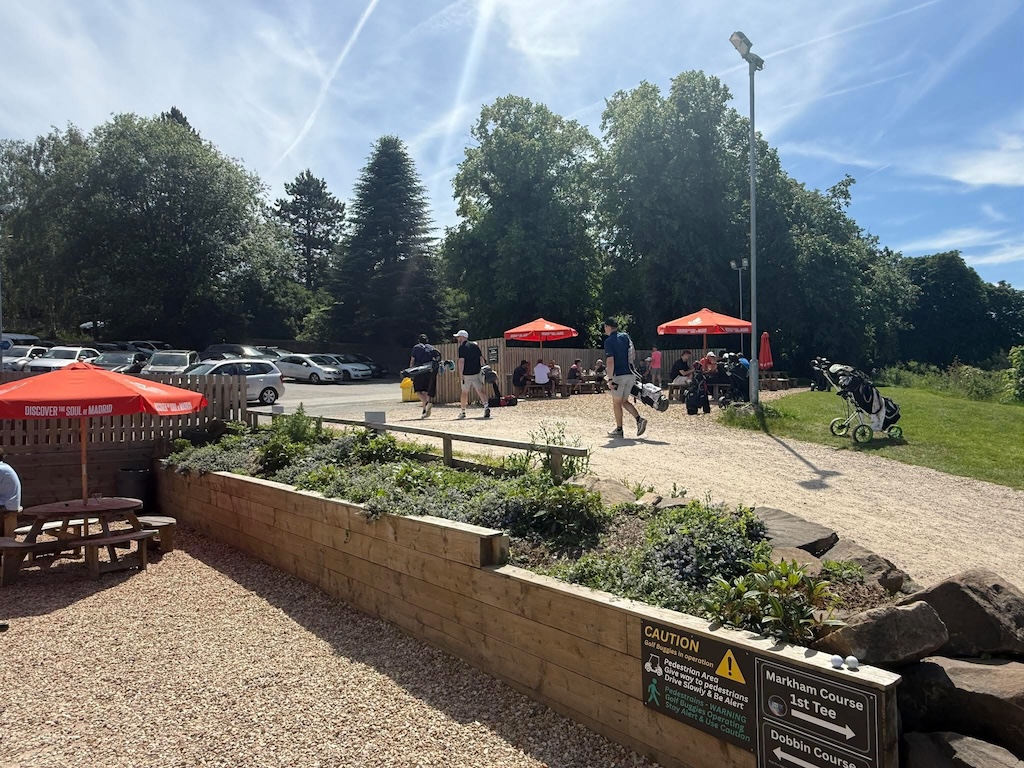
We’re golf people rather than property people. We aren’t developers, we’ve no interest in houses on the 18th and in seven years we’ve never lost a course.
What we do
We take the operating burden off the club and carry it ourselves.
Finance, payroll, HR, procurement, health and safety, compliance, marketing, technology and greenkeeping support all run through one centralised platform across the group, so your club gets expertise and buying power it could never fund on its own. Costs come down through group procurement and revenue goes up through modern booking and payment systems, marketing that’s done properly and a catering operation that contributes to the club instead of draining it.
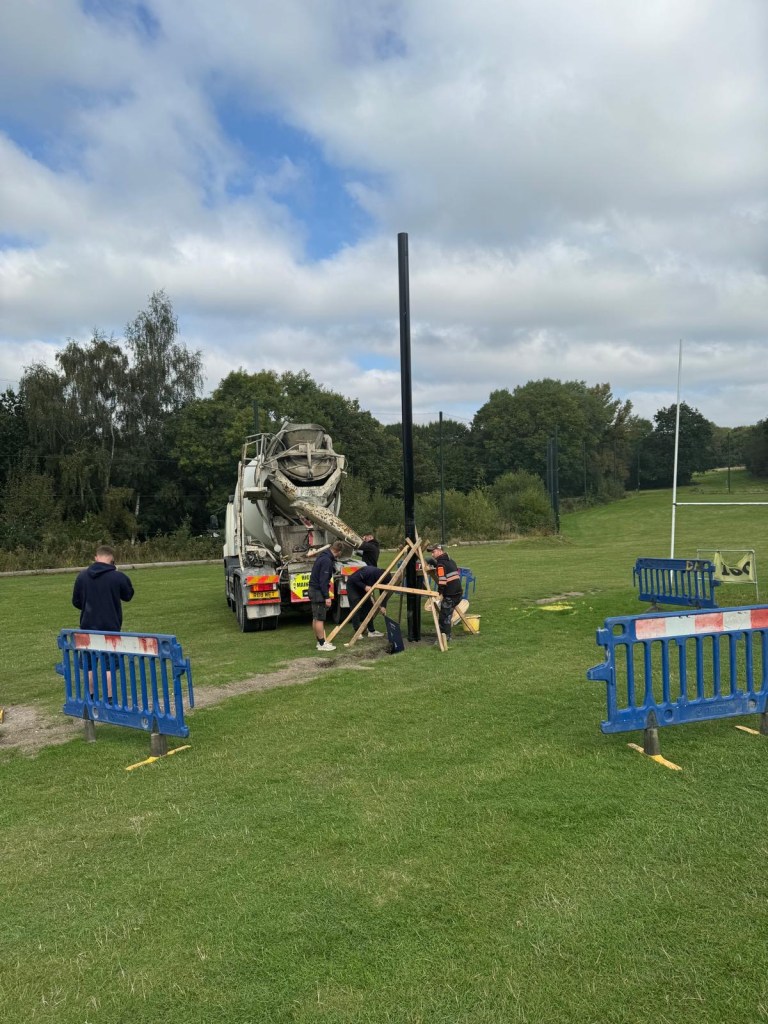
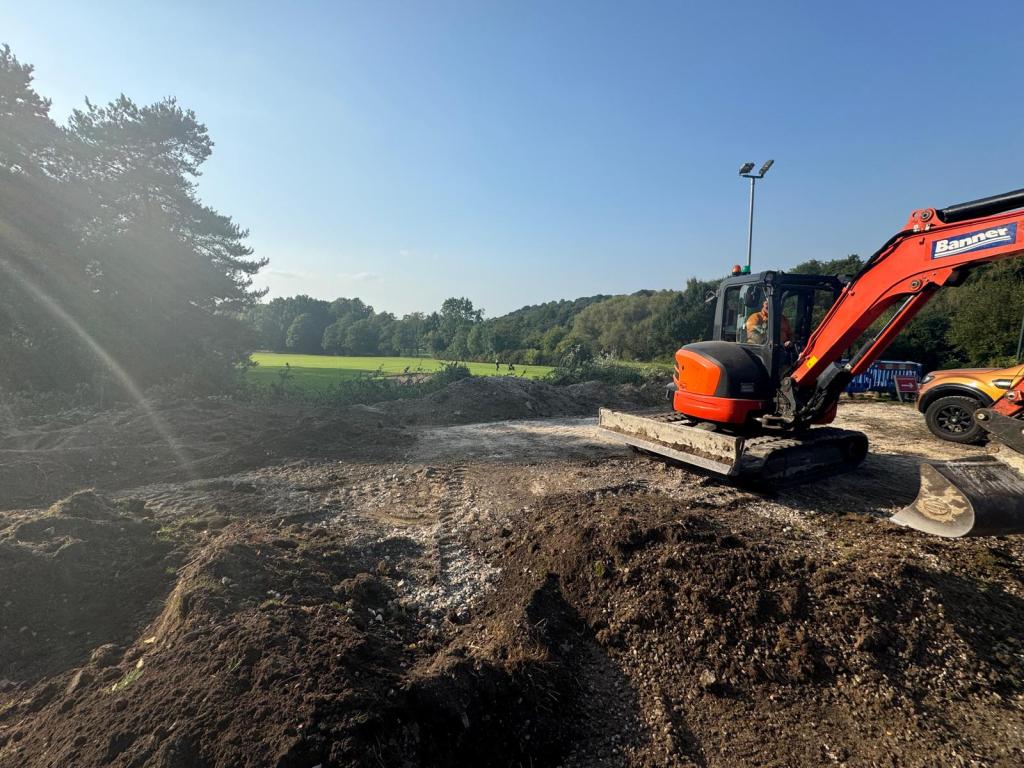
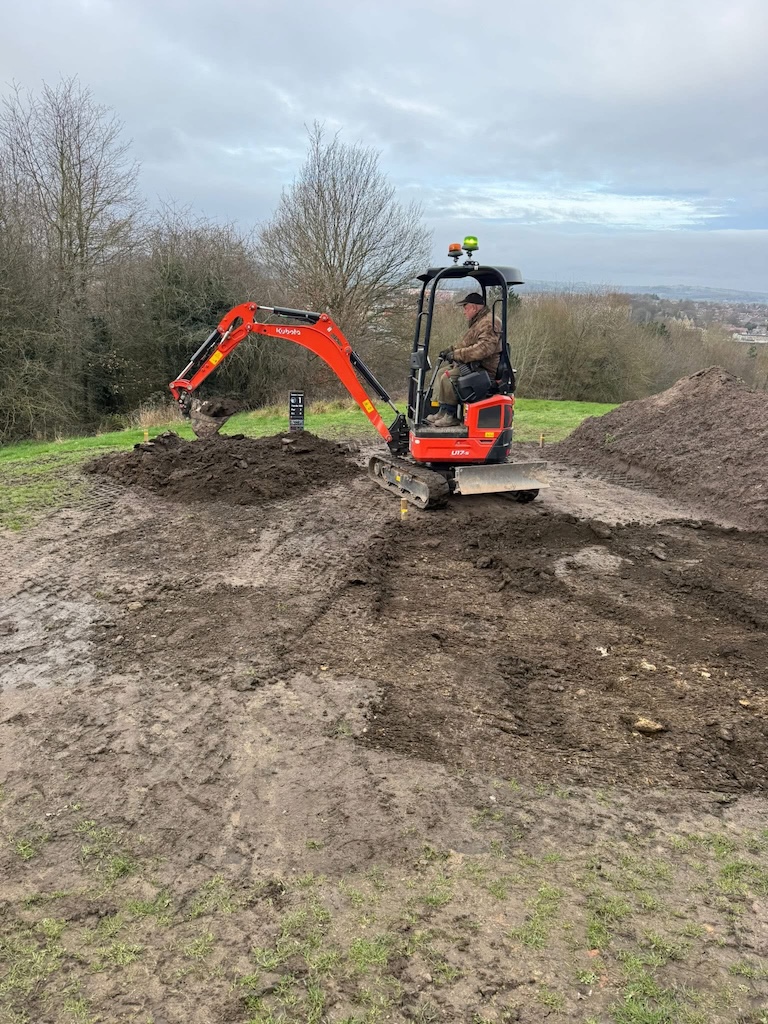
We then put real capital in, averaging around £500,000 into a new club over the first two years, which is our money at our risk and committed long before we’ve earned anything from it.
Where that money goes is decided mostly by what the members ask for, because playing conditions and facilities must come first if any of this is going to work. Member satisfaction is what drives the whole model rather than being a nice side effect of it, since a better course keeps members happy, happy members renew and a club with a settled, growing membership is a club with a future.
What your committee gets back out of all this is time. Instead of firefighting a business you never signed up to run, you go back to enjoying your golf club.


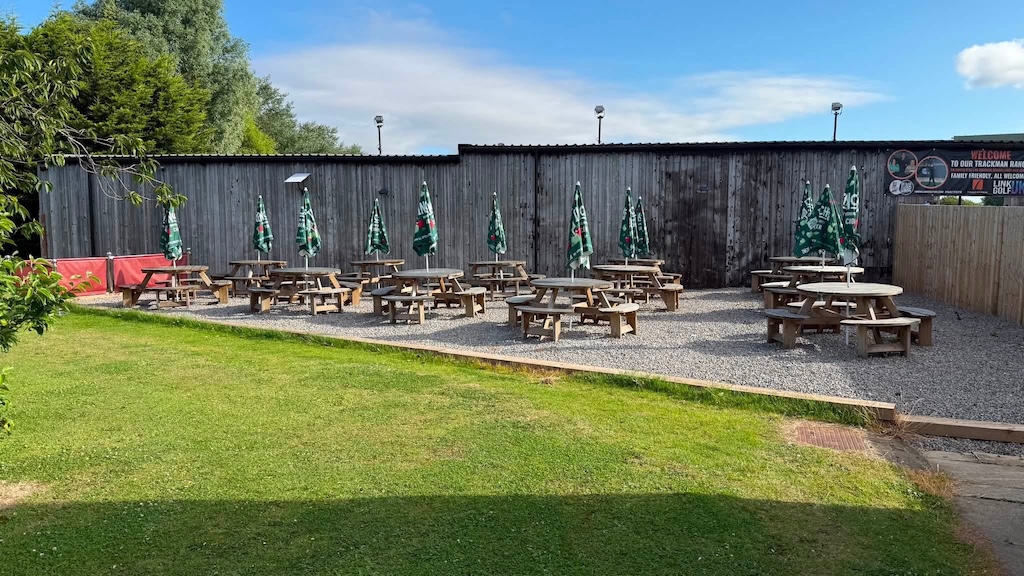
The questions every board asks me
Do we lose our identity? No. The name, the crest, the honours boards, the history and the traditions all stay exactly as they are and we don’t rebrand clubs into a chain, because doing that would destroy the only thing worth saving in the first place.
Do we lose control? No. The freehold stays yours throughout and the operating agreement gets shaped around your club and agreed with your board rather than handed to you.
What happens to our staff? They transfer across to us under TUPE on their existing terms and conditions, handled by our HR team who’ve done it many times before. Your people are usually the most valuable asset on the site and they’re protected.

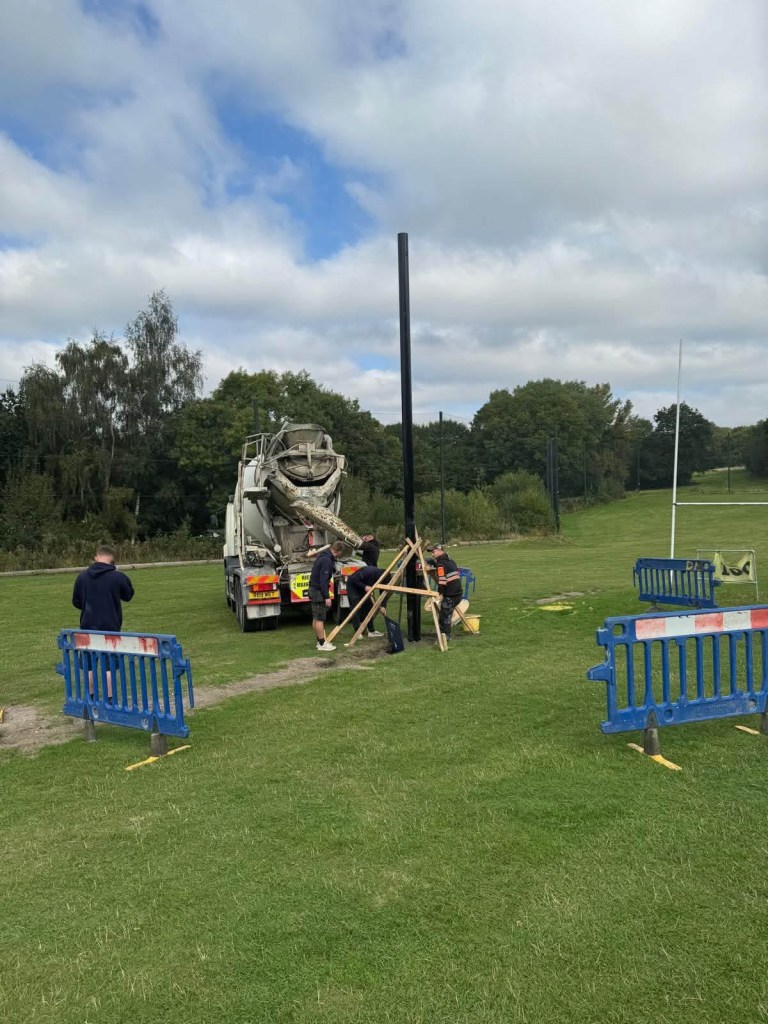
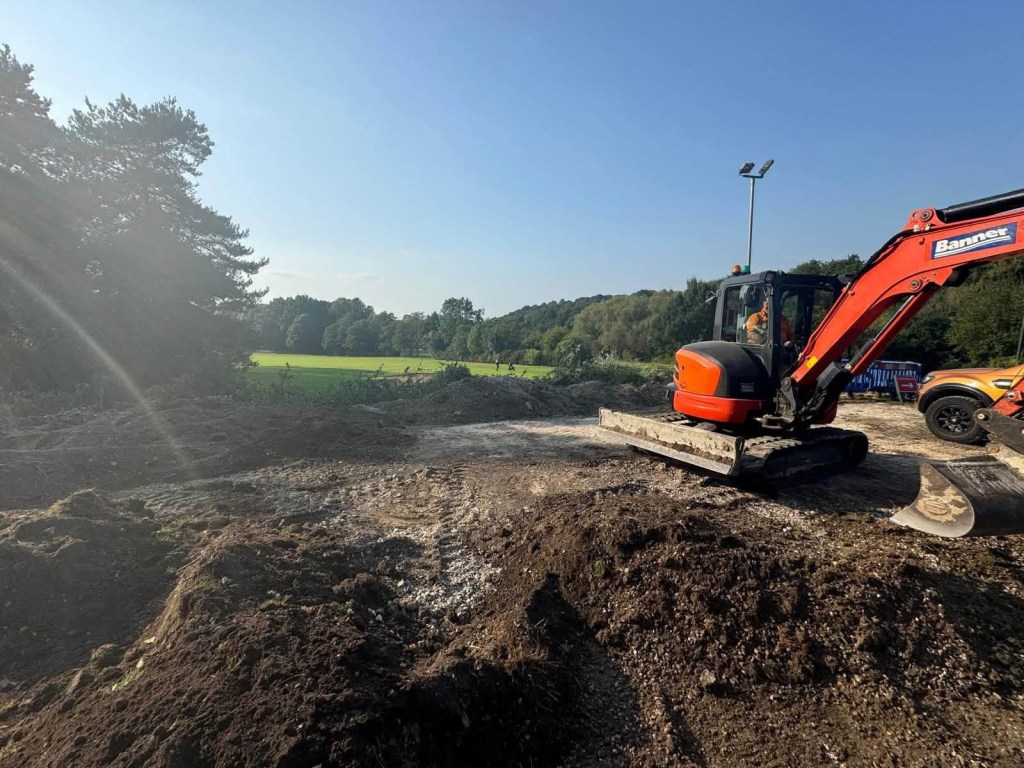


What we’ve delivered
We operate seven venues: Tapton Park, Middlesbrough Municipal, Heaton Park, Stanley Park, Marland, Derby and London Airlinks.
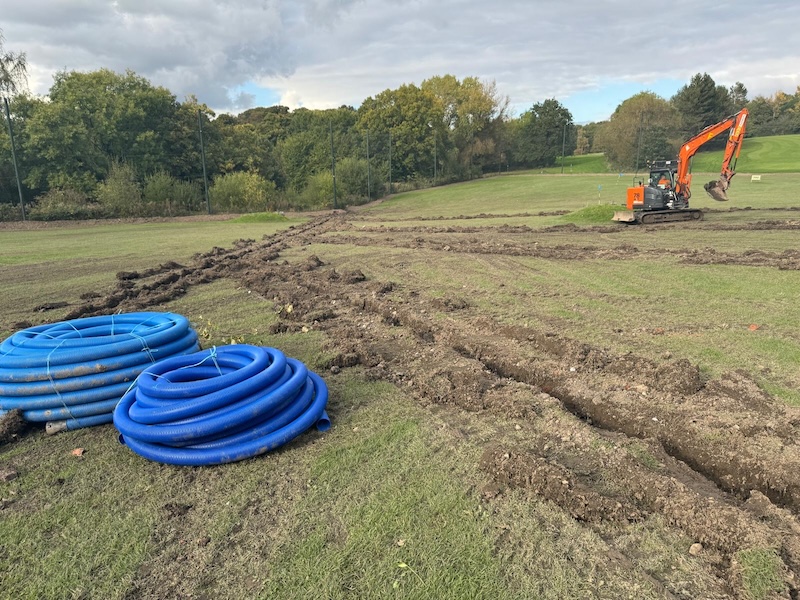
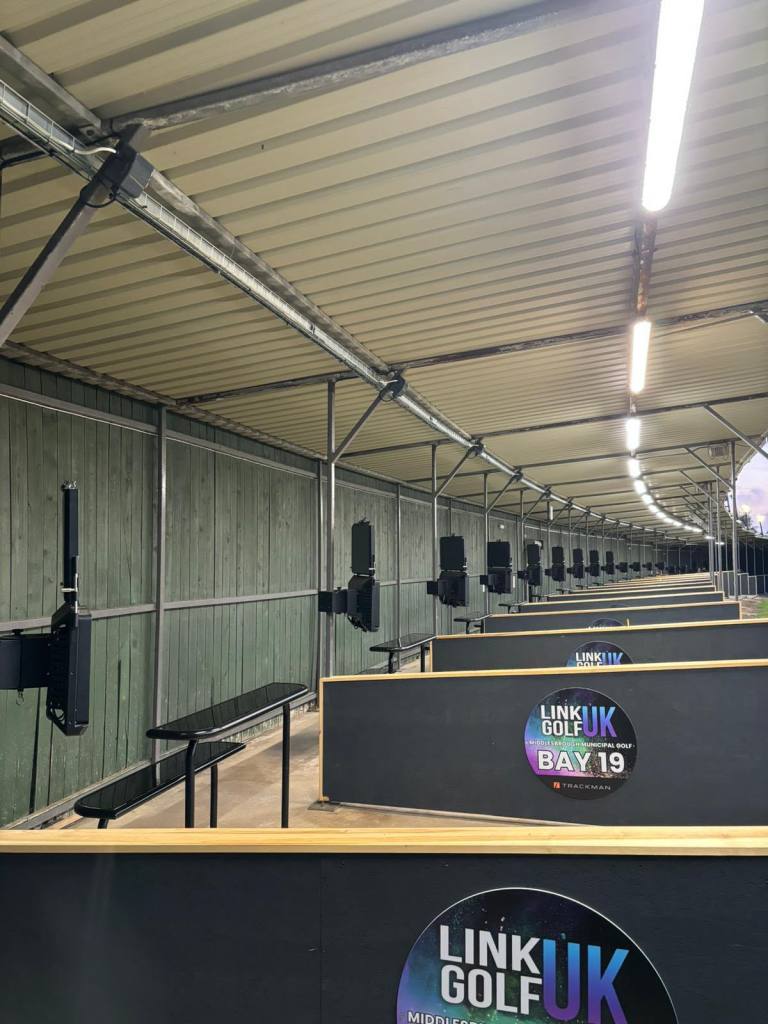
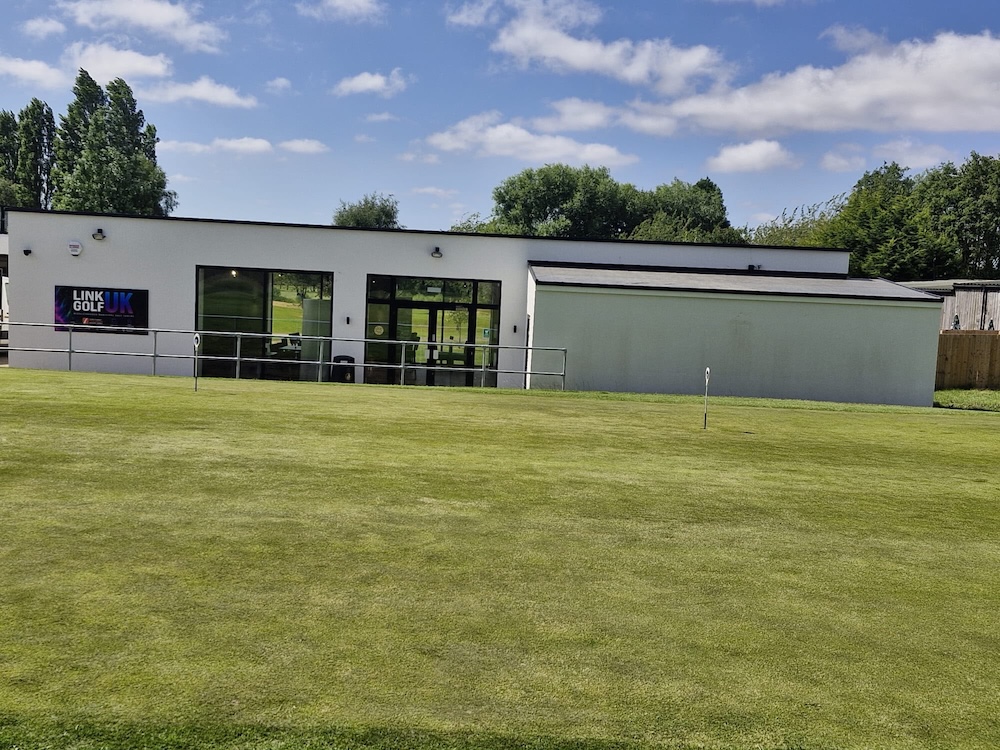
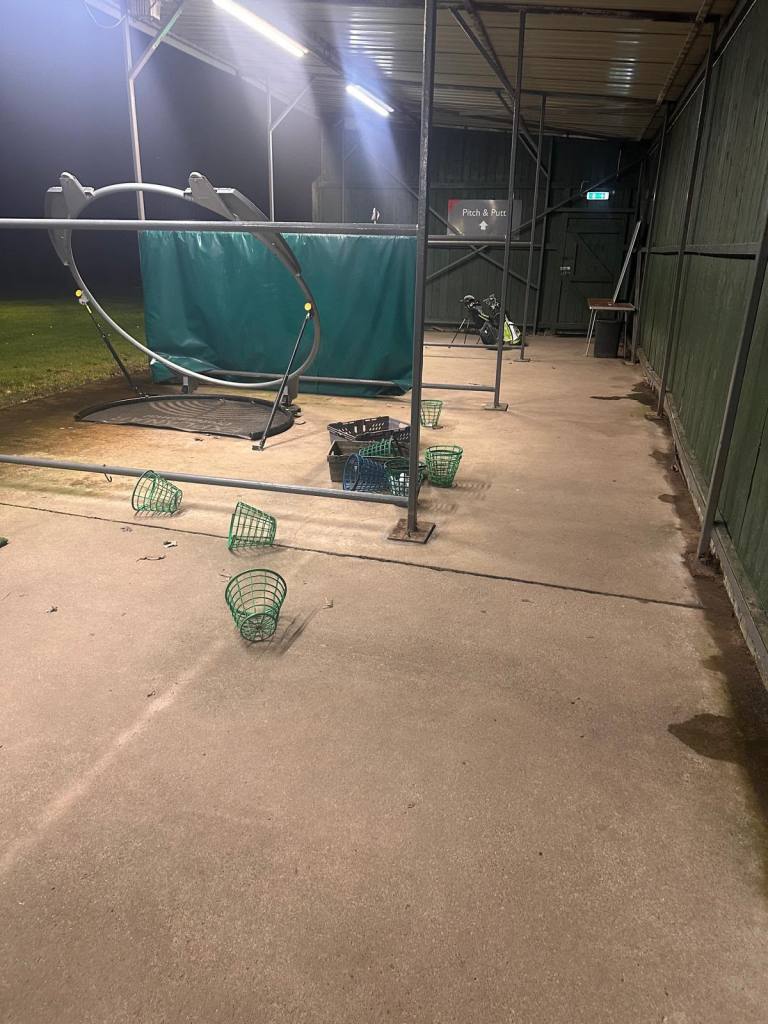
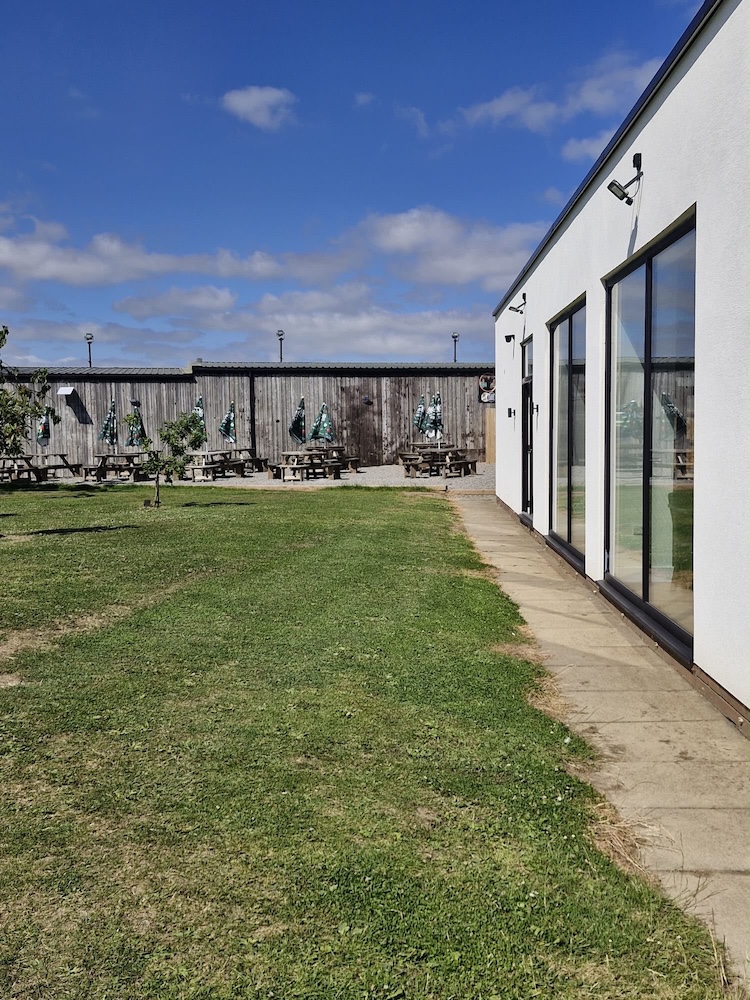
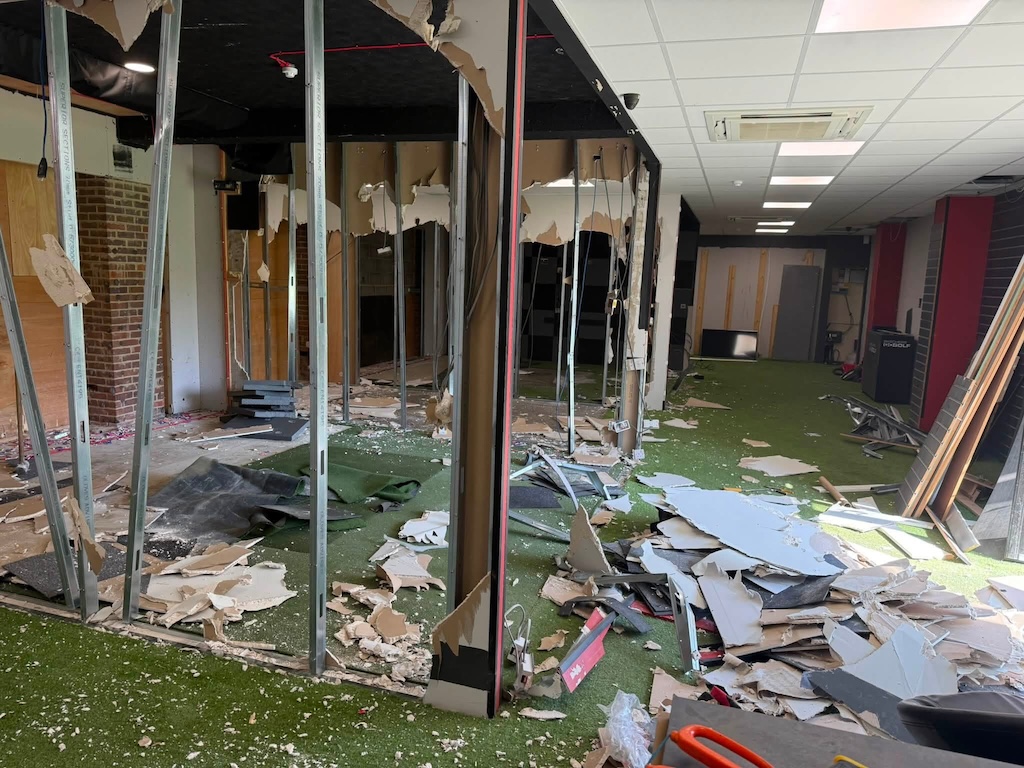
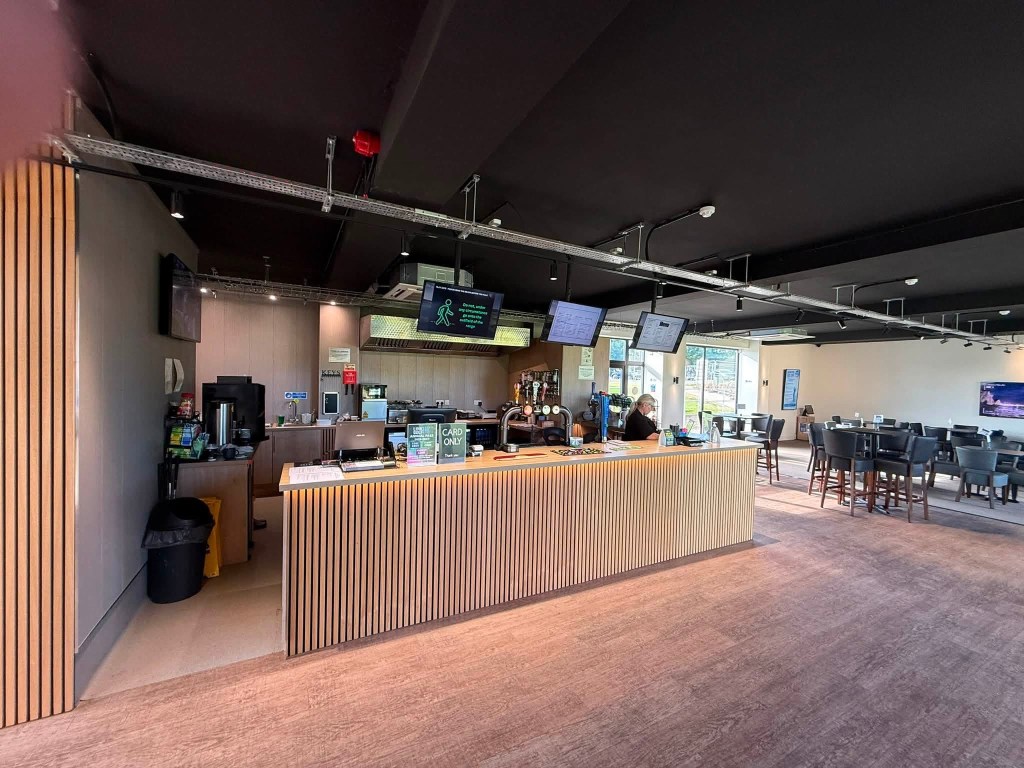
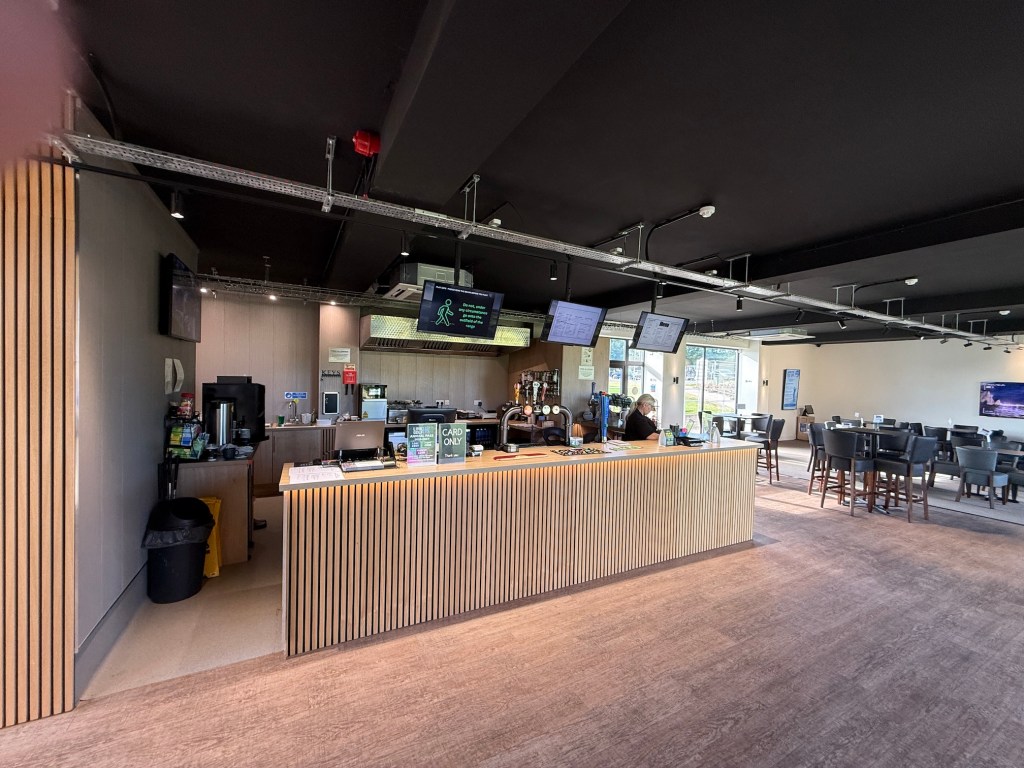
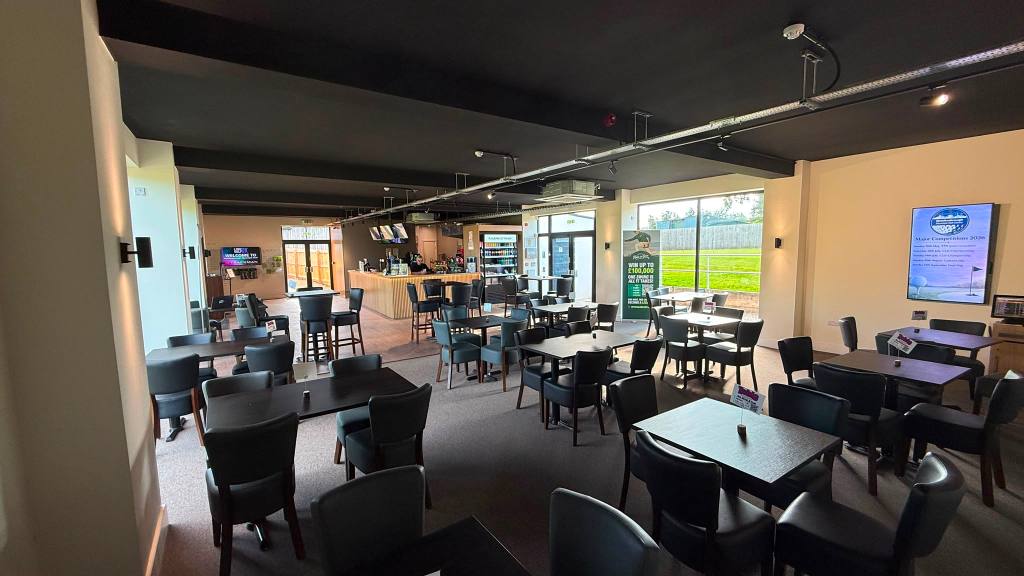
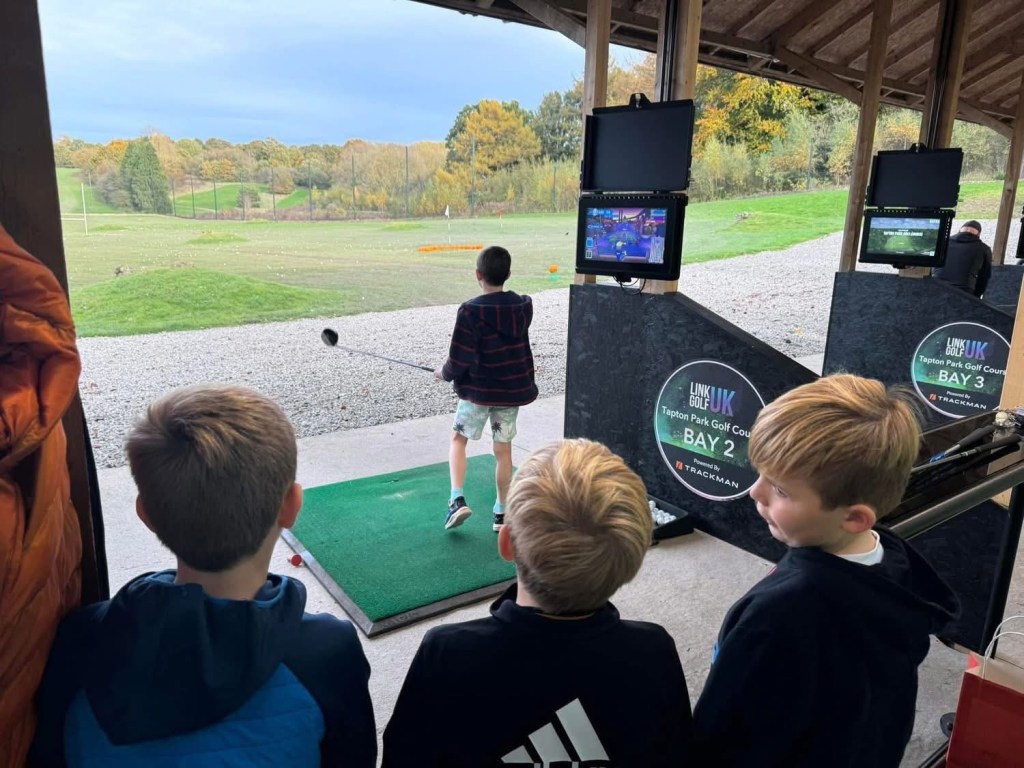
Tapton Park went from £625,000 to £1.4 million turnover in two years, on the back of £650,000 invested into the course, the clubhouse, technology and catering. Middlesbrough Municipal went from £615,000 to £1.1 million inside 12 months, with £1.4 million invested in a rebuilt TrackMan range, a bar and café seating 120, a terrace on the 18th, a new machinery fleet and 25 buggies, which was more money into that club in one year than it had seen in the previous decade. Tim Allen, the club secretary there, now calls it the best golf club in the area and that verdict means considerably more to me than the turnover figure does.
We didn’t go looking for better courses. We ran the ones that were already there, properly funded for once.


The risk has moved
For the first six years most of our work was municipal, because that’s where the immediate danger sat and it’s where I came from. That’s changed. The clubs I worry about now are private members’ clubs, proud hundred-year-old institutions with a loyal membership and a gap on the balance sheet that widens a little every year without anybody quite knowing how to close it.
We’re currently supporting several members’ clubs, with our first formal partnership due to be confirmed shortly. If your board is having conversations it would rather not be having, I can tell you you’re neither unusual nor alone. We give informal advice to any club that asks, with no fee, no obligation and no expectation it goes anywhere. We’ve sat down with a lot of committees and simply worked through the numbers with them, looking at where revenue is being left on the table, where they’re overpaying on utilities and procurement, how the tee sheet and the pricing could work a lot harder, how to get the catering contributing and which capital projects are genuinely worth doing.
Talking to us isn’t an admission of failure. The clubs we work best with aren’t the ones in crisis; they’re the ones whose committee did the arithmetic early and moved while they still held every card.


If you’re a director, secretary, chairman, committee member or simply a member who thinks their club could be in better shape and you’d like to explore how Link Golf UK might be able to support, drop me an email at andrew.terry@linkgolfuk.com


Leave a Reply