

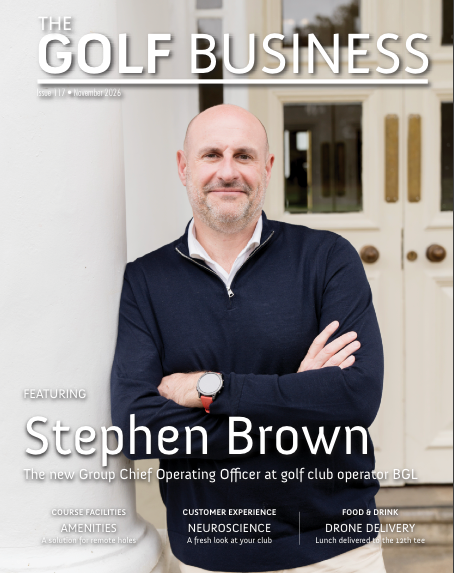
The new Group Chief Operating Officer of golf club operator BGL, Stephen Brown, discusses investment, customer experience and how golf can reach new audiences while continuing to serve its existing members.
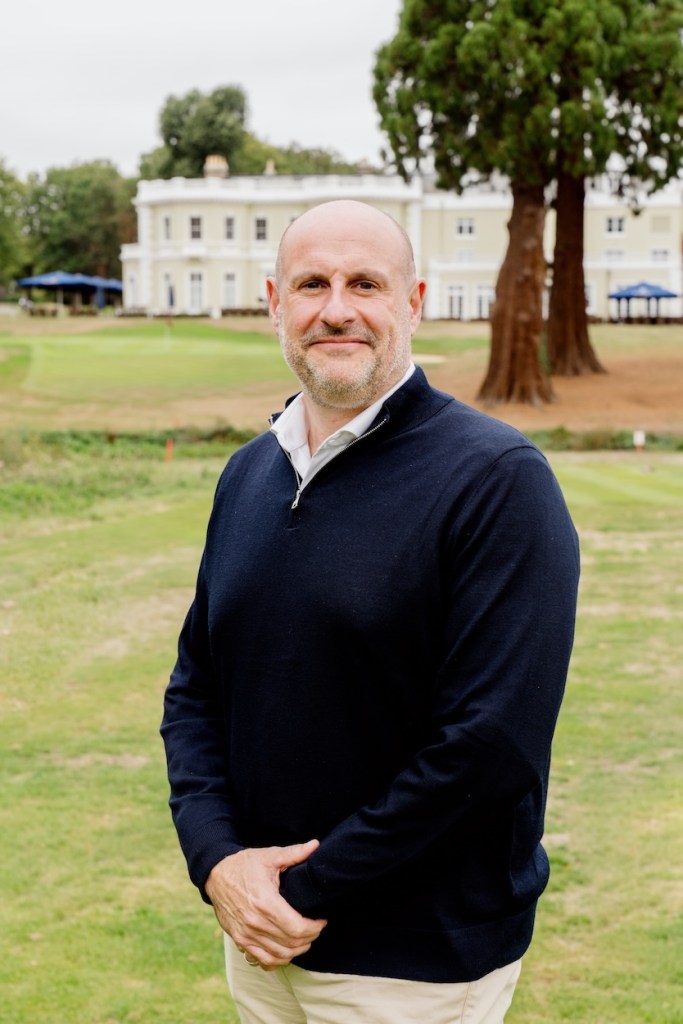
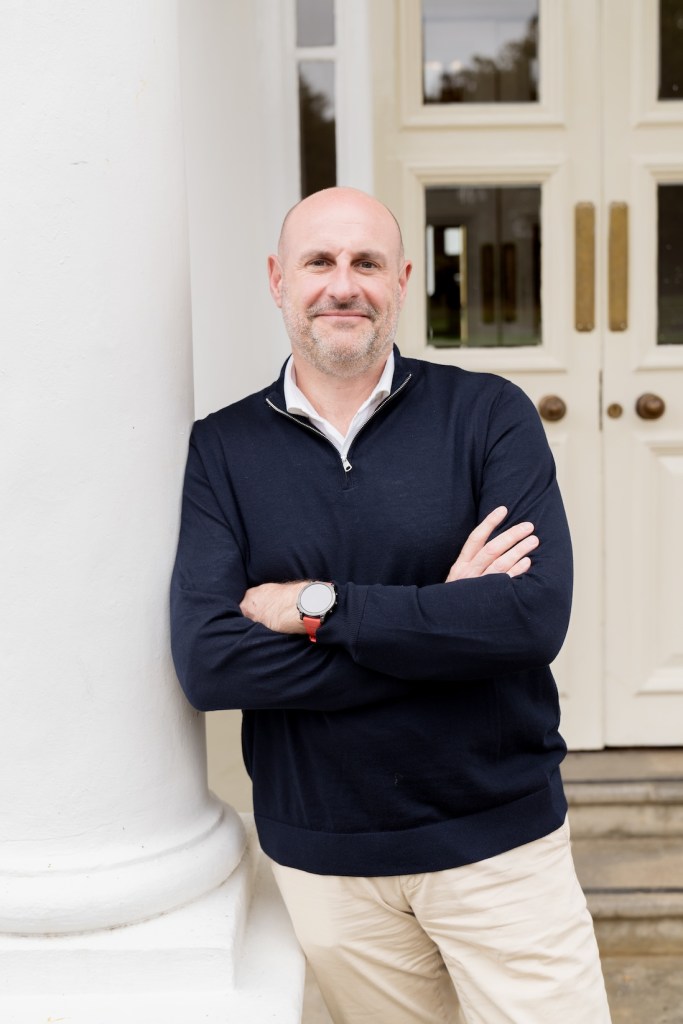
Stephen Brown brings more than 35 years’ experience across leisure, health, fitness and sport to his role as Group Chief Operating Officer at Burhill Group Limited. His career includes senior roles during a decade at David Lloyd Clubs and leadership of BGL’s Adventure Leisure and Ninja Leisure divisions.
Now applying that experience across BGL’s golf business, Brown speaks to The Golf Business about operational priorities, local leadership and becoming ‘respectful disruptors’ who broaden golf’s appeal while respecting the traditional game.
You’ve talked about challenging conventions around how people play, practice and engage with golf. What specifically do you think needs to change in the way golf clubs operate if they are going to remain relevant to people whose leisure choices are very different from those of previous generations?
A key thing to recognise here is that time is precious. I don’t have two or three opportunities each week to spend four or five hours on a golf course. So, we must make sure we also engage people whose version of golf might look different.
For some, it means Friday night on the range with friends and some food and drink. That is absolutely fine. Our job is to listen to understand what they want and meet consumers where they are.
We must also protect the traditional game for our core membership. I describe this as being ‘respectful disruptors’: respecting existing golfers while offering new ways for others to enjoy the game too.
There is considerable pressure on golf businesses from rising operating costs, staffing challenges, changing participation patterns and the need for continual investment. When you look across BGL Golf’s portfolio, where do you think the biggest operational opportunities are over the next three to five years?
It starts with people. Recruiting and developing teams who are passionate about hosting our customers keeps people coming back, whether to play golf or enjoy a meal. That applies equally to greenkeepers as well as those serving behind the bar.
It is well known we must invest against climate pressures, particularly hotter summers and water availability. Many of our venues are in southern England, where that challenge has been acute.
Cost control and sensible utility usage matter but investing in service to grow participation and therefore revenue can also ease cost pressures.
We are exploring modern technology options in greenkeeping to redeploy the team towards work they otherwise struggle to get to, therefore improving what we deliver across the course.
BGL has continued to invest substantially in its facilities, including the £750,000 driving-range development at Redbourn and the more than £400,000 redevelopment at Thornbury. How do you decide where the next pound of capital should go, and what tells you that an investment is actually improving the customer experience rather than simply adding another facility?
Investment must be market-led and aligned with our company purpose of ‘creating exceptional space to play and be together’. What are people asking for, what problem are we trying to solve and where is the opportunity to translate into a return? Decisions must also fit a realistic and aligned group strategy.
People will always return for quality, so main-course infrastructure remains important alongside developing growth in the short courses and off-course facilities.
We measure financial returns, customer feedback and recommendation scores. Much of that feedback currently comes from members; we need to broaden it to other guests and those not currently using us.
Range visitors should be asked the same questions: would you recommend us, what do you like, what could we improve? I also want to explore feedback on value for money more deeply. That will help us balance investment across our audiences.
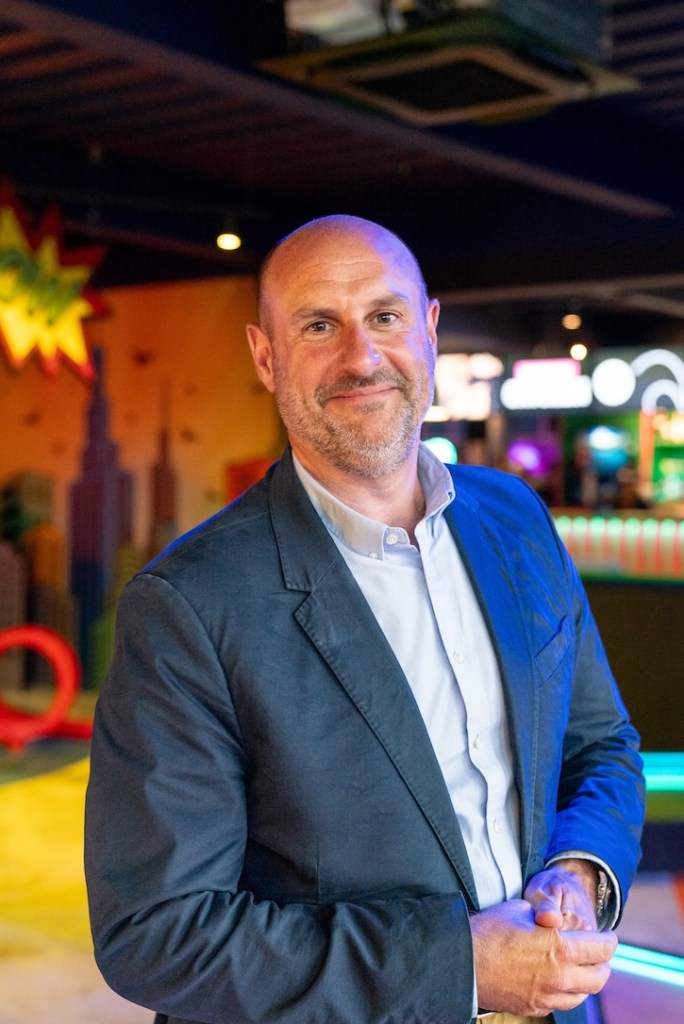
Your experience at David Lloyd involved operating a large network of health and fitness clubs. What lessons from that sector do you think could be applied directly to golf – particularly around customer experience, membership, retention and making people want to spend more time at a venue?
One of my biggest lessons from ten years at David Lloyd was to make decisions close to the customer. Communicating with people gives you confidence that you are developing services the market wants.
Health clubs and golf clubs are both membership-based leisure businesses whose customer loyalty and success depends on the experience they provide.
Consumers seek quality and value. Understanding what those mean to your members should guide how you develop your venue. To encourage more frequent visits and wider use of your facilities, listen to what would make that worthwhile for them.
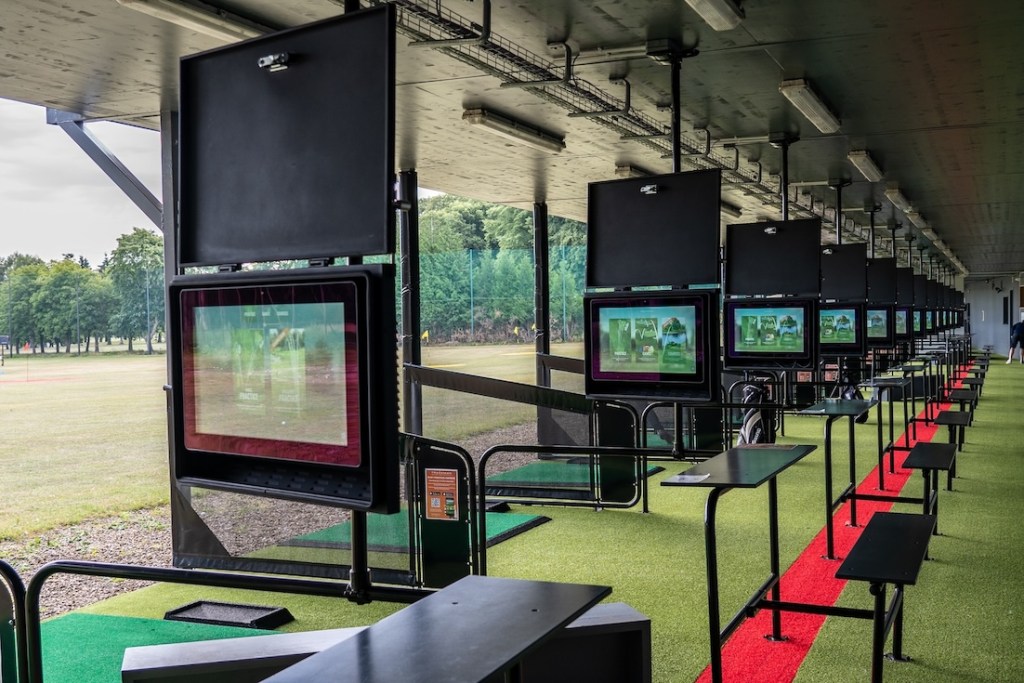
BGL has invested heavily in technology-led driving ranges, while also developing short courses and other more accessible forms of golf. Do you see the traditional 18-hole course remaining at the centre of the golf business, or do you think the industry needs to become much more flexible about what constitutes a golfing experience?
Some operators are already exploring six and 12-hole formats, which challenges our thinking about how people can play.
At BGL, we intend to continue serving our core membership, many of whom want the traditional 18-hole experience. I’m not going to be ripping out holes any time soon but am actively exploring new ways to enjoy this fantastic game.
The opportunity is to complement that with new ways to play. Market insight and data should guide those decisions. Understanding demand for full rounds, shorter games and technology-led ranges helps us welcome more people while maintaining the quality existing members expect.
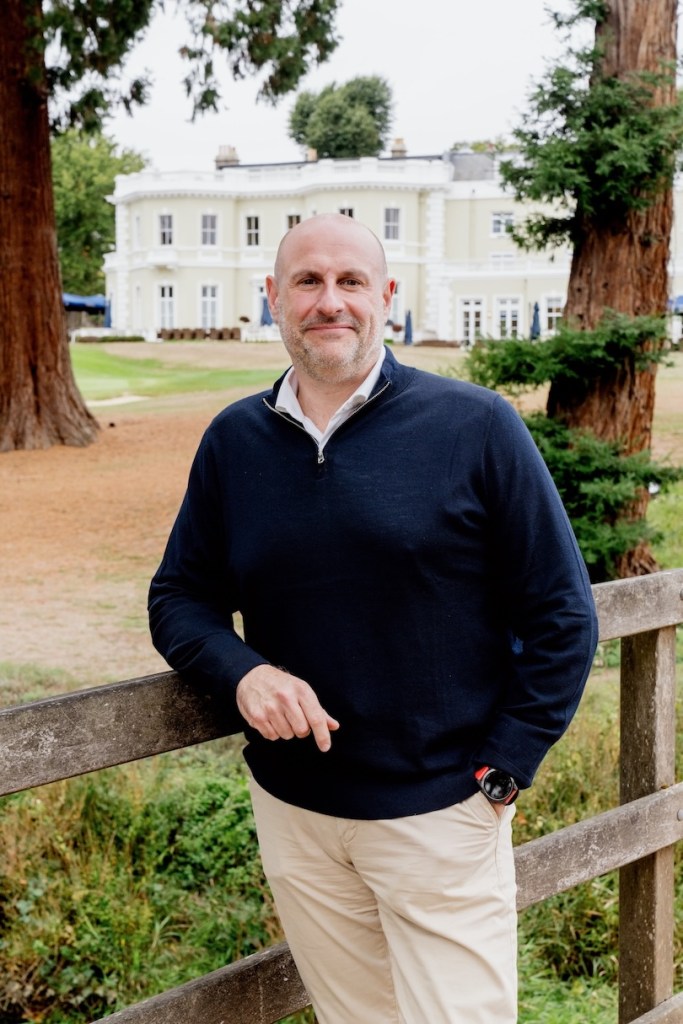
BGL acquired GolfPlex earlier this year, a venue built around driving ranges, adventure golf, simulators, footgolf and other entertainment. What did you see in that business that you wanted BGL to add to its portfolio, and could the GolfPlex model influence what happens at some of your existing clubs?
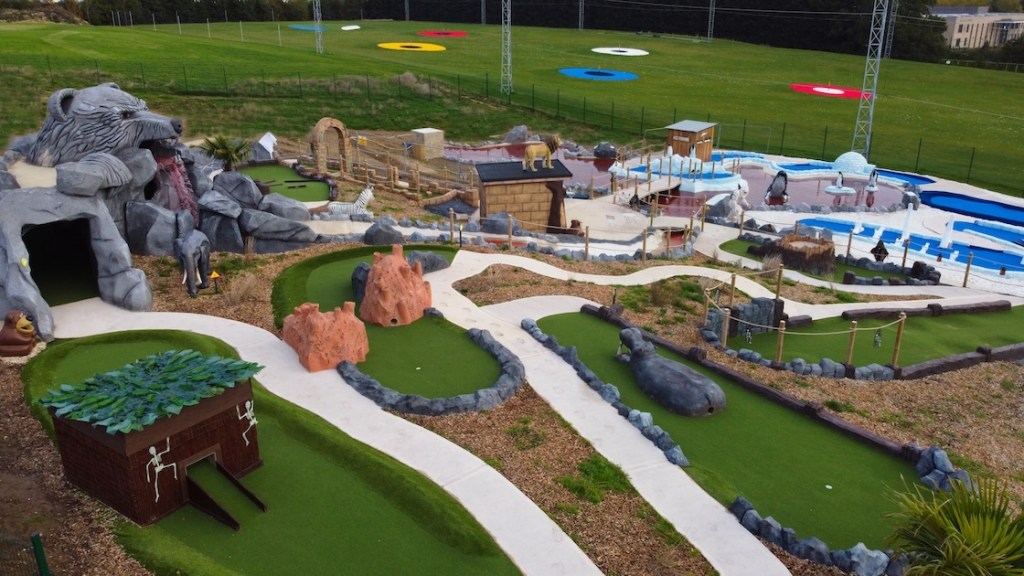
We had been exploring standalone driving ranges for several years, following success with driving ranges within our clubs. We also operate Sidcup, where our largest range by number of bays sits alongside adventure golf without a traditional course.
GolfPlex was an opportunity in a market we already wanted to explore. It is trading ahead of our original feasibility plans, and we have invested in refreshing it.
Venues such as Sidcup and GolfPlex form part of our expansion ambitions. Learning from those standalone venues and our club-based ranges will inform development across the estate. Off-course golf is very much part of our future.

BGL’s Pathway to Golf programme offers newcomers a £10 taster session, coaching and then a period of free membership. What have you learned from the programme so far about the barriers stopping people from taking up golf – and how much of the traditional golf-club experience needs to change to retain those people?
In its second year, Pathway to Golf attracted well over 500 participants, more than last year. It offers a helpful, good-value introduction that removes some traditional barriers to membership.
Our next step is to explore how we broaden its appeal. It has worked as a route towards membership, but it could also help people become regular venue users in whichever way suits them.
The aim is simply for more people to be enjoying golf. Some will want membership; others will participate regularly without a five- or seven-day commitment. We need to consider how the programme serves them too.
You’ve run businesses such as Mulligans and Ninja Leisure, where the customer experience is deliberately designed to appeal to families, young people and people who might not consider themselves traditional leisure customers. What can golf clubs learn from those businesses about accessibility and making newcomers feel comfortable?
My group role allows us to share learning across leisure and golf. Mulligans and Ninja venues depend on engaging their local communities and encouraging people to try the experience, just as golf clubs do.
Friendly rivalry is part of that. Whether playing darts, adventure golf or 18 holes, people enjoy taking part together. The seriousness of competition varies, but the social appeal is shared.
Providing celebration opportunities for friends, families and colleagues to enjoy food and drink afterwards is also important. That hospitality gives people reasons to spend more time together at the venue.
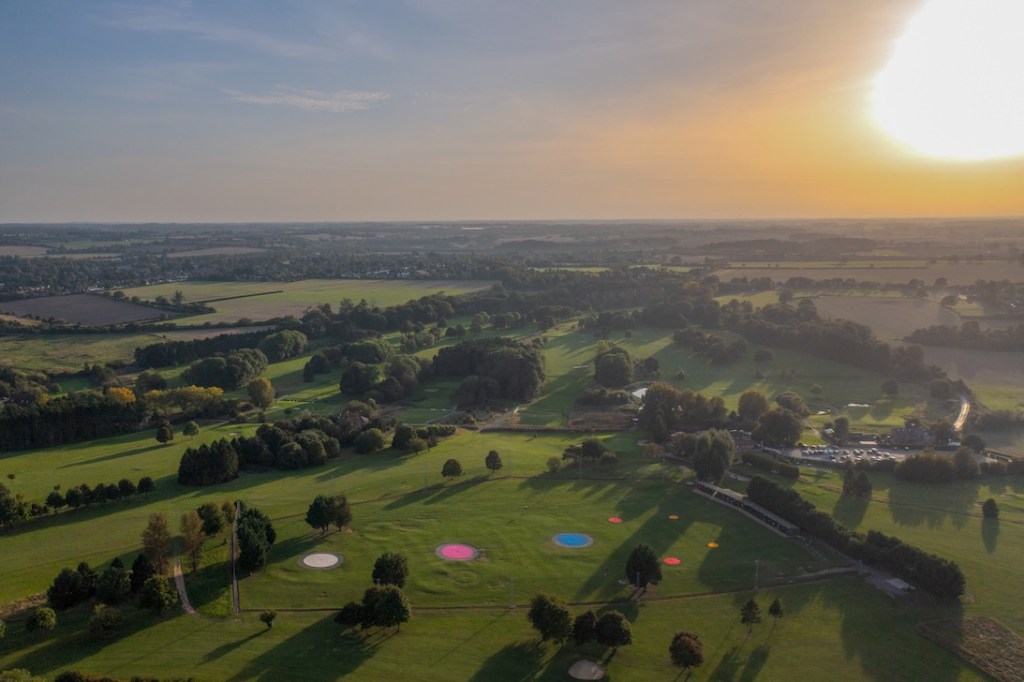
BGL now has a very large and diverse estate. How do you make sure that operating at scale doesn’t result in clubs becoming too corporate or losing the individual character and personality that makes a golf club attractive to its local market?
We must balance group strategy and central expertise with local ownership. Venue teams understand their members, guests and communities best. We cannot sit at the centre and pretend we know all the answers.
The central team provides national and regional insight, data analysis and support. Local teams should feel empowered to make decisions backed by their local expertise, knowledge and evidence.
Staff engagement surveys help us understand what we get right and where we can improve, including the balance between local decisions and group direction.
Across golf, Mulligans and Ninja, the knowledge of each venue sits predominantly with those working there. Our role is to help them act on it.
Finally, you’ve spent more than 35 years in leisure, fitness and sport, but relatively little of that career has been in traditional golf. Having now spent several months visiting BGL’s golf venues, what has surprised you most about the golf business – and what do you think golf operators sometimes get wrong about their customers?
The scale of the off-course opportunity has been exciting. YouTube and Instagram are opening golf to new audiences all the time; we can help them find ways to participate.
I have also been struck by the variety of clubs, ownership arrangements and customer bases. BGL must operate in a way that suits our market. Other operators and member-owned clubs will make decisions that suit theirs.
Across leisure, risk comes when you stop listening. If golf responds too slowly to new audiences, or forces them down an unsuitable traditional route, they may choose another activity.
Broader ways to enjoy golf can absolutely sit alongside the traditional game.


Leave a Reply