

Golf tournaments are a big part of club life. They bring members together for friendly matches and a sense of belonging. Well-planned events can welcome everyone from experienced players to those new to the game. Clubs seek ways to keep tournaments fun and fair while respecting golf’s traditions.
Events open to every skill level help both long-time golfers and beginners feel welcome. This approach helps more members get involved and keeps the club’s history alive. Organising these tournaments well helps build teamwork and makes the club stronger.
Clubs often find it tricky to make tournaments that are both exciting and fair to all players. Choosing the right tournament style and rules makes the difference between just another event and one that keeps everyone coming back.
The business case for multi-skill level tournaments
Golf clubs that include tournament formats open to all abilities often notice increases in revenue. Recent sports betting and online casino platforms like betmaster.co.uk have shown similar patterns where inclusive approaches drive engagement. This growth comes from higher entry numbers and more spending in the clubhouse.
Clubs that offer a variety of tournament types often find it easier to appeal to a broader range of members. By providing different formats, clubs can create an environment that is welcoming to both experienced golfers and newcomers, encouraging participation from younger players and families as well.
Pro shop sales during inclusive tournaments often increase, with participants purchasing equipment before special events. Food and beverage revenue also benefits, with post-tournament socialising extending financial impact beyond entry fees.
Clubs that offer several different tournament formats throughout the year often report stronger member satisfaction. These clubs create a calendar that balances traditional stroke play with team events, giving members multiple opportunities to participate regardless of skill level.
The financial benefits extend to membership inquiries as well. Visitors who participate in open tournaments as guests may be more likely to pursue membership if they enjoyed the competitive format. This creates a strong recruitment pipeline through well-designed events.
Effective tournament formats for mixed ability fields
The Modified Stableford system works well for mixed-skill tournaments. Unlike traditional scoring where every stroke counts, this format awards points based on performance relative to par. Higher handicap players can score well even if they take more strokes on difficult holes. This approach keeps competition exciting while respecting the sport.
Team formats bring balance across skill levels. The scramble format, where each team member hits a shot and the best one is selected for the next shot, allows beginners to contribute without pressure. Variations like the Texas Scramble ensure everyone’s shots make a difference to the team’s success.
Flight-based tournaments group players by handicap ranges, creating mini-competitions within the larger event. This structure allows players to compete against others of similar ability. Typical flights might include Championship (0-5 handicap), A (6-12), B (13-20), and C (21+).
Progressive tee systems match each player with appropriate tees based on ability. For example, high-handicap players might play from forward tees, making the course less daunting. Lower-handicap players use back tees, keeping the challenge suitable for their skill level.
Technology solutions for tournament management
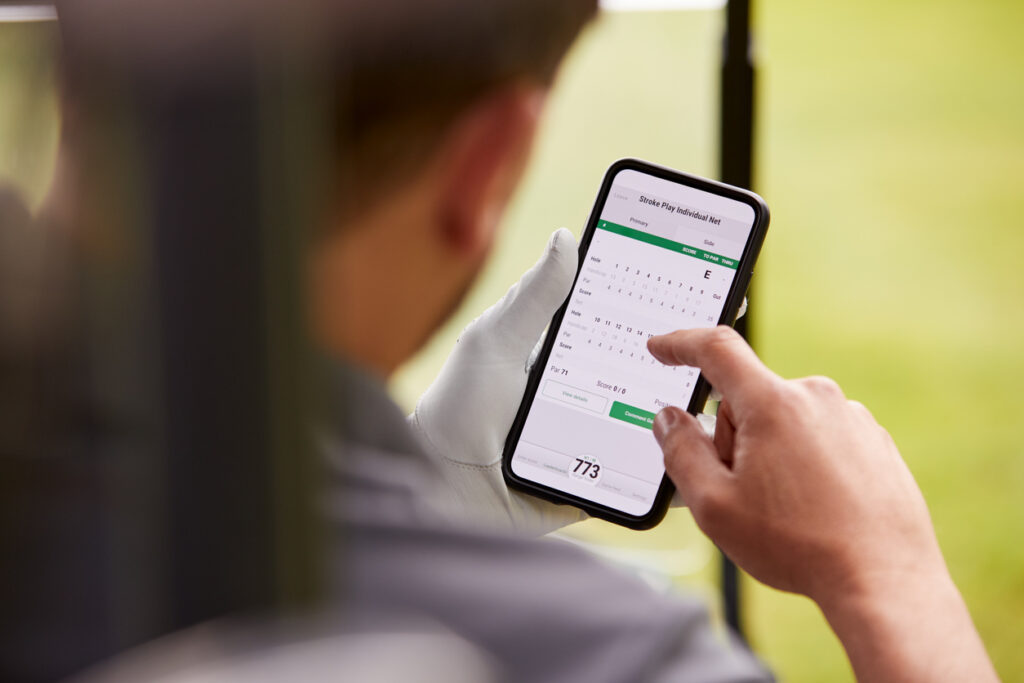
Digital scoring platforms have transformed tournament management at golf clubs. These systems simplify handicap adjustments and provide real-time leaderboards that keep all participants interested. Players can track their standing via mobile apps, creating excitement even among those not in contention for overall prizes.
Mobile applications streamline tournament registration and communication. Clubs using dedicated golf event apps report higher participation rates and fewer day-of-event issues. These platforms send automatic reminders, collect entry fees, and distribute information efficiently.
Team-balancing software helps tournament organisers create fair competitions when skill levels vary widely. These platforms review handicaps and historical performance data to distribute participants evenly across teams. This approach reduces the risk of one team dominating due to an unbalanced draw.
Data collection systems track player performance and satisfaction across multiple events. This information helps clubs adjust their tournament formats based on actual results rather than assumptions. Many clubs now conduct post-event surveys through their tournament management systems, gathering feedback to improve future events.
Course management technology also supports inclusive tournaments through detailed hole-by-hole analytics. This data helps organisers identify which holes present the greatest challenges to higher-handicap players, allowing for strategic pin placements that create fair competition for all skill levels.
Creating engaging prize structures
Forward-thinking clubs distribute awards across multiple skill categories rather than focusing solely on top performers. This approach might include prizes for best net score in each handicap flight, most improved player, or best performance on par-3 holes. When every participant has a realistic chance at recognition, tournament excitement builds across all skill levels.
Non-score-based competitions add fun elements that anyone can win. Contests like longest drive or closest to the pin can be divided by handicap groups, giving higher-handicap players their own competitions. Some clubs add creative categories like “most fairways hit” or “best recovery shot” to acknowledge different golfing strengths.
Prize pools that grow with participation numbers bring energy and encourage players to invite friends. When players know that higher turnout means better prizes, they become ambassadors for the event. This approach works particularly well for recurring tournament series throughout the season.
Sponsorship partnerships boost prize packages without raising entry fees. Local businesses often provide products, vouchers, or services as tournament prizes in exchange for exposure to the club’s membership. This creates mutually beneficial relationships that serve sponsors, players, and the club itself.
Recognition beyond traditional prizes helps build community within the club. Digital leaderboards in the clubhouse, tournament photo galleries on social media, and featured player profiles in club newsletters all extend the tournament experience beyond the day of play, creating lasting memories for participants.
Marketing tournaments to diverse player groups
Targeted communication strategies help reach different member segments effectively. Messages to low-handicap players might highlight competitive aspects, while communications to beginners could focus on the fun, social elements and handicap adjustments that keep the competition fair.
Social media campaigns that showcase real participants from past events help clubs demonstrate their welcoming environment. Clubs might share images of junior players, seniors, and mixed-ability groups taking part in recent tournaments. Highlighting these diverse groups reflects the inclusive ethos and offers proof that players of any ability feel at home.
Pre-tournament clinics build confidence among less experienced players. Offering a free group lesson focused on tournament skills the week before an event can turn hesitant members into enthusiastic participants. These sessions also create natural teams and playing groups for those who might not know many other members.
Seasonal tournament series with progressive themes maintain interest throughout the year. Creating connected events with cumulative scoring or themed challenges gives members multiple entry points to the competitive calendar and reasons to participate in more than one tournament.


Leave a Reply