

As Royal Birkdale prepares to host the Open, the eyes of the golfing world are turning to the north west. For Heswall Golf Club, this spotlight provides a barometer of progress in its strategic improvement of the course and wider golf experience. With recent on course investment of over a million pounds the member‐owned club is proving that environmental stewardship and operational excellence are the true keys to unlocking the ‘Major effect’.
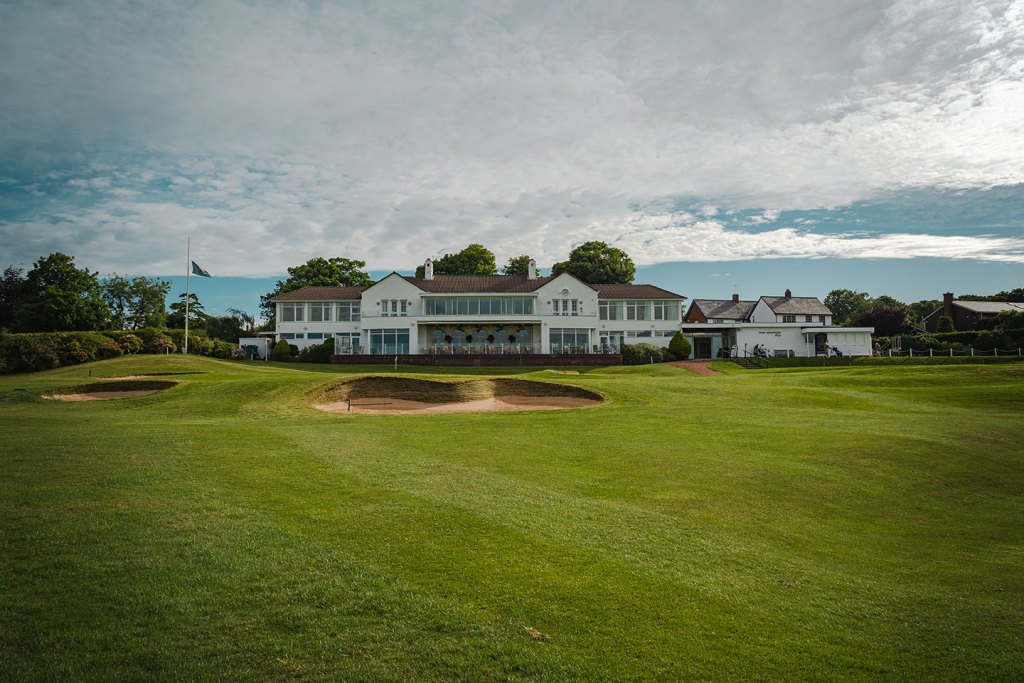
When the Open Championship returns to Royal Birkdale this summer, global attention will once again focus on England’s ‘Golf Coast’. The championship will shine a light not only on the iconic links that host the world’s best players, but also on the wider network of clubs that contribute to the region’s reputation for excellence, resilience and year-round golf.
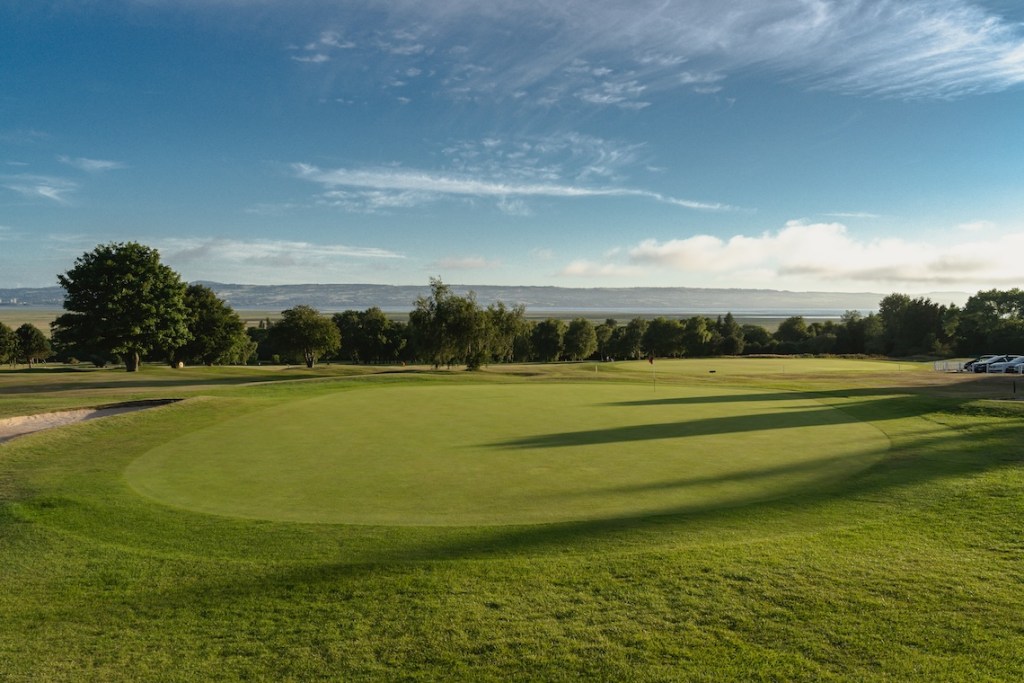
Just inland from the coast, overlooking the Dee Estuary, Heswall Golf Club occupies a distinctive position within this landscape. Founded in 1902, the club is a member owned, non-profit organisation with over 900 members, shaped by more than a century of competitive golf and guided by a clear commitment to reinvestment and stewardship.
The Open effect
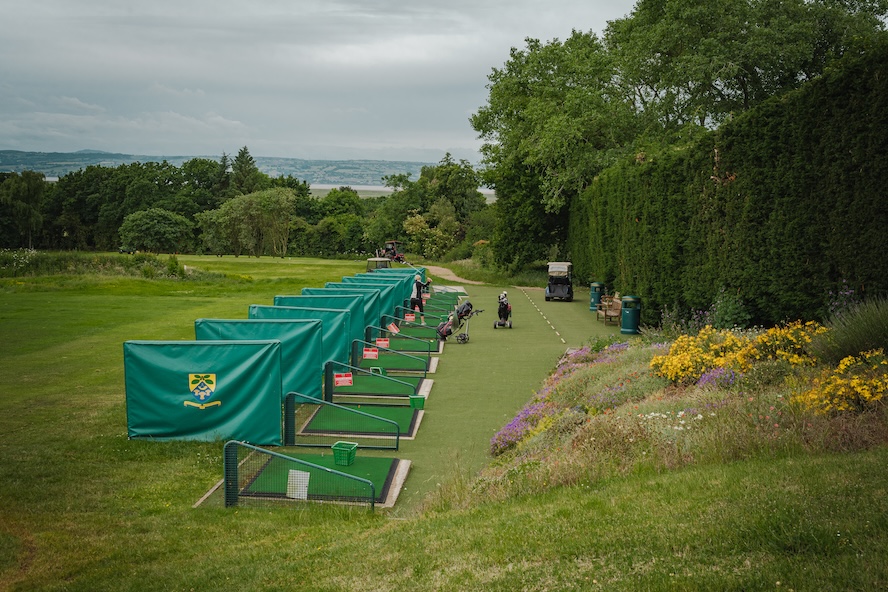
Major championships inevitably bring opportunity – but they also raise expectations. In the build-up to the Open, clubs across the region experience increased interest from visitors, societies and returning members, bringing ever greater scrutiny of course condition, service standards and operational resilience.
For Heswall, preparation for this period has been less about short term uplift and more about long-term readiness. The club’s strategic focus in recent years has been on raising the quality ceiling of the championship level course at its best but also providing greater resilience against challenging environmental factors, be that drought or deluge. In doing so, the objective is to ensure the course can satisfy the demands of members who want to play golf in this wonderful setting and those of increasingly discerning visitors at any time of the year.
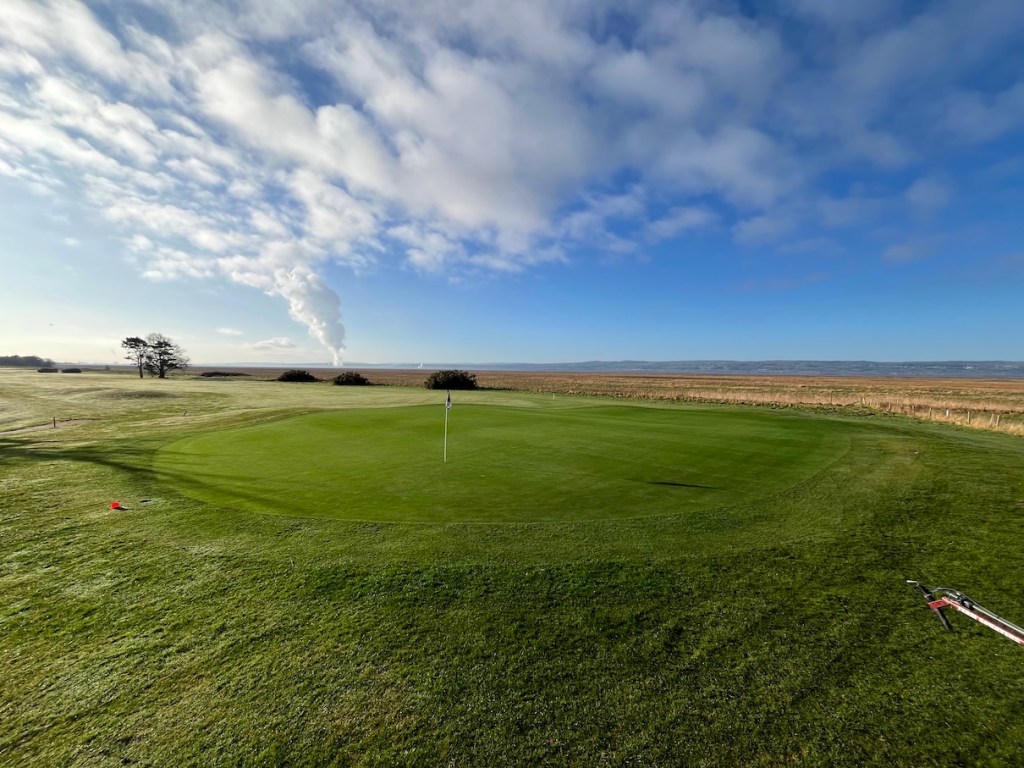
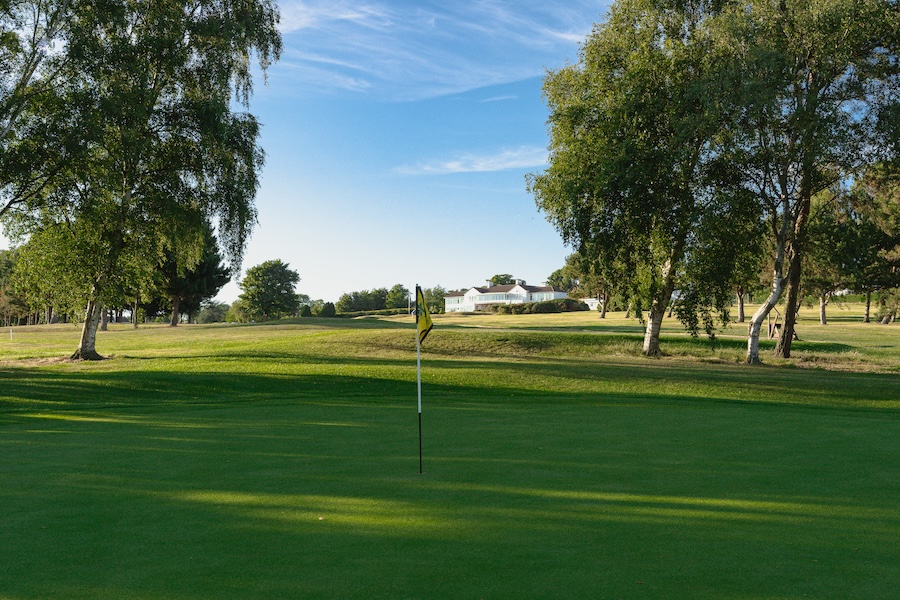
In spring 2025 Heswall completed the implementation of a completely new irrigation system, including a new bore hole and the requisite distribution hardware and software, significantly improving water efficiency and operational control. The club secured a £650k environmentally focused funding package from NatWest that supplemented a £200k contribution from club members. Following a successful project implementation extremely low rainfall in the late spring and early summer of 2025 gave the system its first major test. It passed with flying colours, with turf quality able to withstand the drought and develop to levels not previously achievable on tees, greens and surrounds.
The system allows individual sprinkler management across the course, reducing water waste, lowering energy consumption and improving turf health through accurate moisture control. Crucially, this precision also helps reduce reliance on chemical treatments — an increasingly important consideration for clubs operating in environmentally sensitive areas.
Overlooking the Dee Estuary, one of Europe’s most important wetland ecosystems, Heswall’s approach to sustainability is both practical and principled. Ecological awareness informs decisions around water management, drainage and course maintenance, ensuring compliance, responsibility and long-term viability are aligned.

In 2024 the club also commenced a major programme of drainage improvements designed to address the challenges posed to Heswall by patterns of increased rainfall in recent years.
Management of course availability in the winter has typically included restricting the number of holes in play and the use of buggies and trolleys. Expenditure of £250k to date has already brought about demonstrably reduced course closures and restrictions on golfers.
Winter golf at Heswall is largely the domain of the members. With this in mind the club prioritised the initial drainage work to ensure as many golfers can continue to participate, even if that is for a shortened 12 or 13 hole layout. This has the added benefit that the clubhouse can continue as a welcoming social hub on all but the very worst of days. As the programme of work continues, the expectation is that full 18 hole playability becomes the norm for Heswall throughout the winter period and that the course has an ever stronger condition base as the main playing season arrives.
Investment at Heswall has extended beyond agronomy.
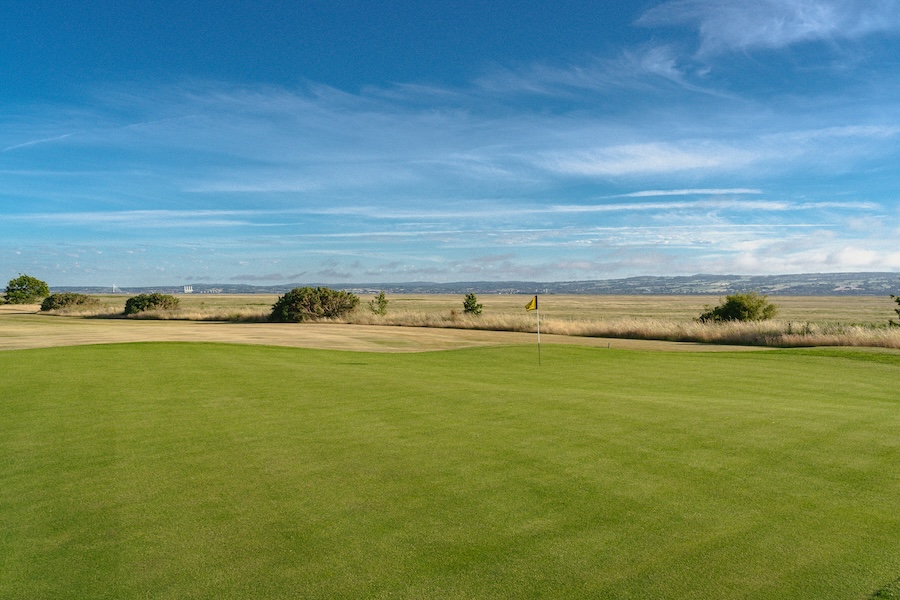
Practice facilities and coaching infrastructure play a key role in supporting participation across all age groups, from junior development through to elite amateur golf.
As interest in the region grows in the lead-up to the Open, these facilities ensure the club can accommodate increased demand without compromising day-to-day operations.
As a non-profit club, Heswall reinvests all surplus back into the business. This governance structure underpins disciplined decision-making and ensures that investment is assessed through the lens of member benefit, longevity and environmental responsibility.
Clear communication with members has been essential throughout periods of change. Explaining not just what is being invested in, but why, has helped maintain support for long-term projects that may not deliver instant visibility but provide lasting value.
Looking beyond 2026
While The Open provides a moment of heightened attention, Heswall Golf Club’s focus remains firmly on the years beyond. The objective is not to capitalise on a single championship, but to ensure the club emerges stronger, more resilient and better equipped to meet future challenges.
For golf club managers navigating similar pressures, Heswall’s experience demonstrates the value of purposeful investment, sustainable infrastructure and integrating ecology into core strategic planning. Major events may come and go, but the decisions made in their shadow can define a club’s trajectory for decades.
As England’s Golf Coast prepares to welcome the world once again, Heswall Golf Club continues its own quiet preparation — investing not for headlines, but for the long term.


Leave a Reply