

Sometimes, sadly, golf clubs will need to make employees redundant. However, you can only do this in specific circumstances. Carolyne Wahlen from Golf HR explains what they are and what procedures must be followed.
Restructuring is one of those processes that no employer enjoys dealing with, but sometimes, it’s a necessary step to keep a club financially stable. If done correctly, it can be a relatively smooth process. Get it wrong, and you could find yourself with a tribunal claim, a hefty compensation bill and a fair amount of stress.
Why might you need to restructure or make redundancies? The word ‘redundancy’ gets thrown around a lot, but it only applies in specific circumstances. You can’t just use it as an easy way to remove underperforming employees. Redundancy situations arise when:
• A club needs to restructure to cut costs or improve efficiency.
• There is a reduced need for a particular role.
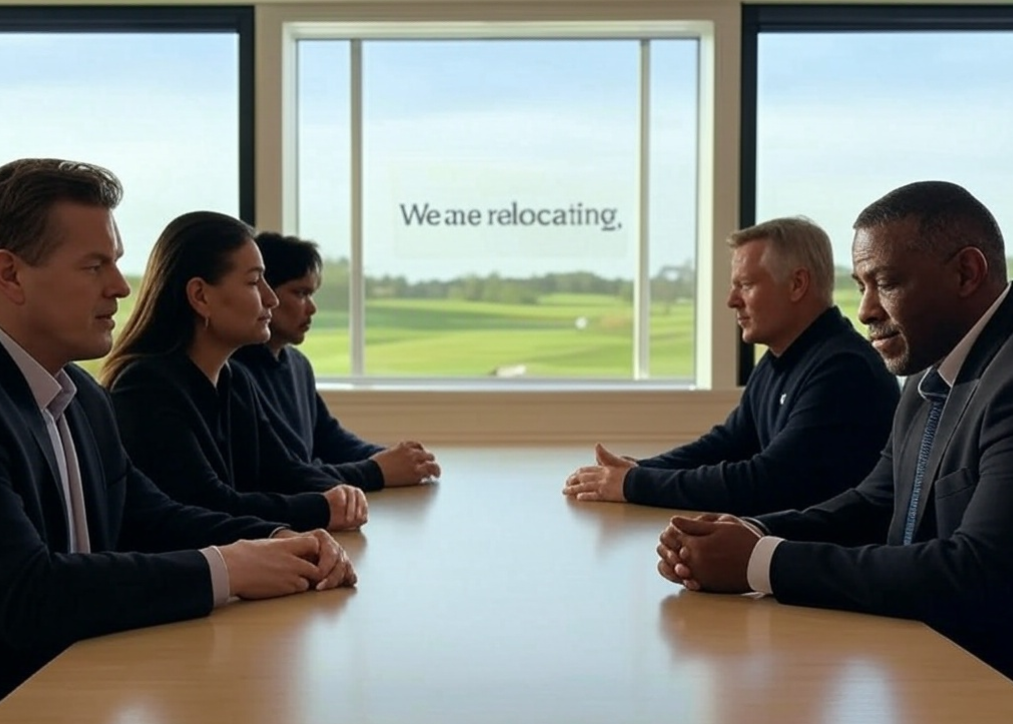
• The club is relocating (yes, even golf clubs do this sometimes) and employees cannot reasonably be expected to commute.
• A club is closing down entirely.
If the reason doesn’t fit into one of these categories, then it is unlikely to be a genuine redundancy, and you’re likely to end up in legal hot water!

Step 1: Planning the process. The key to avoiding a tribunal claim is having a clear, fair and well-documented redundancy process. If you’re making fewer than 20 employees redundant, there are no statutory consultation requirements, but case law suggests that a three-week consultation period is best practice. If you’re making 20 or more employees redundant within 90 days, you must follow collective consultation rules, which means notifying the government and holding a formal consultation process.
For smaller-scale redundancies, here’s a general timeline:
• Day 1: General briefing meeting with all staff at risk.
• Days 1-2: Individual consultation meetings.
• Day 6: Deadline for applications.
• Days 7-8: Interviews for remaining roles.
• Day 9-10: Second individual consultation meetings.
• Day 15: Final consultation meeting and, if necessary, notice of redundancy.
Step 2: Who stays and who goes? Selection criteria must be objective and fair. The easiest and safest way to avoid accusations of bias is to let employees self-select. Instead of choosing who stays, ask all employees in the affected department to apply for the remaining roles. Those who choose not to apply effectively opt out, making it a low-risk dismissal. In many cases, it is often the employees you would have chosen for redundancy who opt out themselves, effectively taking voluntary redundancy with a payout.
However, if you do need to make choices, you must ensure selection is based on club needs, not personal preferences. Common selection criteria include:
• Performance (as long as it is based on documented evidence, not subjective opinions).
• Skills and qualifications.
• Length of service (but be cautious—this could be seen as age discrimination).
• Disciplinary record.
You cannot select employees based on any protected characteristic (age, sex, race, disability and so on).
Step 3: The consultation process. This is where many employers trip up. Consultation is not just a box-ticking exercise — it’s a legal requirement. Employees at risk of redundancy must be given a chance to ask questions, suggest alternatives and explore other roles within the club.
The consultation process should include at least two individual meetings before making a final decision. If you rush through the process without proper discussions, the employee could claim unfair dismissal, even if the redundancy itself was legitimate.
Step 4: Giving notice. If an employee is being made redundant, they must receive formal notice in writing. Their statutory minimum notice period depends on how long they’ve worked for you:
• One month to two years: At least one week’s notice.
• Two to 12 years: One week’s notice for each full year worked.
• 12-plus years: 12 weeks’ notice.
Step 5: Redundancy pay. Statutory redundancy pay applies only to employees with at least two years’ service and is calculated based on age, length of service and weekly pay (subject to a cap that changes annually in April). These monies are paid out tax free. There is a government redundancy calculator online to help with this. If you fail to pay redundancy money owed, employees can take legal action to recover it.
Step 6: Avoiding the common pitfalls. Some redundancy mistakes will land you in a tribunal faster than a wayward golf ball hitting a clubhouse window. Avoid these errors at all costs:
• Skipping consultation – Employees must have a fair chance to discuss alternatives.
• Pre-selecting employees before consultation – If you’ve already decided who is going, the consultation process is a sham.
• Not offering suitable alternative employment – If you have vacancies, you must offer them to affected employees before making them redundant.
• Discriminatory selection criteria – Even unintentional bias can lead to claims.
• Mishandling notice periods – Employees must be paid in lieu of notice if they aren’t working it.
Step 7: Handling the aftermath. Redundancies impact not just those who leave, but also those who stay. Survivors often feel uncertain about their own job security, leading to a drop in morale and productivity. Make sure you communicate clearly with remaining employees, address concerns and provide support where needed.
Can you avoid redundancy? Before making redundancies, consider:
• Reducing hours (with employee agreement).
• Temporary layoffs (if allowed in contracts).
• Voluntary redundancy packages.
• Reassigning employees to different roles.
Redundancy should always be a last resort. But if it must happen, doing it properly will save you time, money, and stress in the long run. Get it right, and you’ll keep your club out of the rough and on course for success.

For advice on this or any staff or member issue affecting your golf club, please contact Carolyne Wahlen, Golf HR, on cw@golfhr.co.uk or 01491 598 700


Leave a Reply