

By Brandie Deignan
I spent three years on the board of Wales Golf without ever playing a round. I still haven’t played one. When I mention this, people tend to assume it’s an admission.
It was the reason I was useful.
Golf recruits for familiarity. Look at most club committees and most governing body boards and you will find people who have loved the game for decades, who understand the etiquette, the handicap system, the history of the club and why the fourth tee was moved in 1987. That is genuine expertise and it matters. But it comes with a cost that nobody in the room can see, which is that knowing how something works makes it very hard to ask why it works that way.
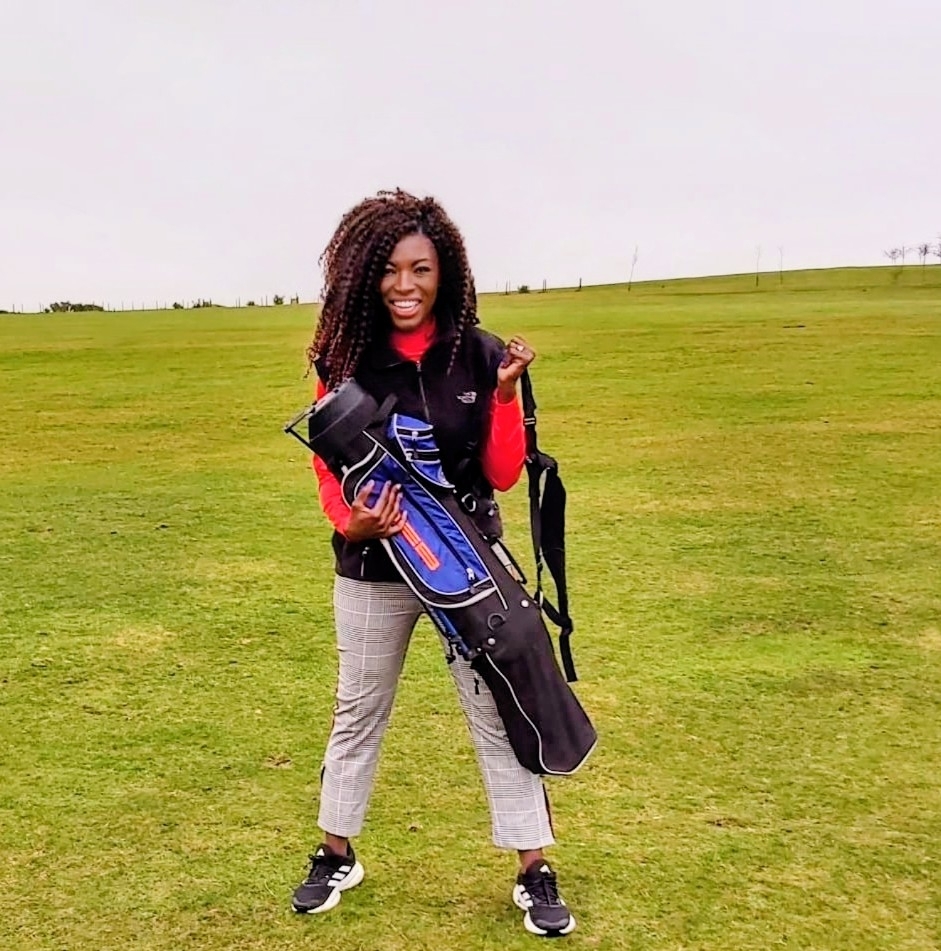
I had no such loyalty to protect. I did not know which of golf’s conventions were load bearing and which were simply old. So I asked, frequently, and sometimes to visible discomfort in the room. Why does the membership structure look like that? Who is that tee time pattern actually designed for? Why does the pathway narrow at exactly the point where girls tend to leave?
Every one of those questions can have an answer. That is often the problem. The answers can be so fluent, reasonable and possibly decades old. An answer that has possibly survived 40 years starts to feel like a fact rather than a choice somebody once made.
This is not an argument that golf should hand its governance to people who don’t ‘care’ about golf. A board of pure outsiders would be a disaster and the executive would spend its life explaining the basics. It’s an argument about balance I am making here. Most boards in this sport are heavily weighted towards people who understand the game and are lightly weighted towards people who understand why someone might look at a golf club once and decide it isn’t for them. That second group is the hardest to recruit, because they are defined by having stayed away.
Which is why the thing I am proudest of from my time on the board had very little to do with the boardroom itself. We built a Living Experience Network, a standing group of people with direct experience of the barriers into golf, meeting regularly, feeding into governance rather than into a consultation exercise.
The difference between those two things is the whole point. A consultation is something an organisation does to people. It has a start date, an end date and a report at the end that gets read once and filed. A standing network does not go away. It keeps turning up, keeps asking and keeps making the comfortable answer inconvenient.
Boards are good at projects. We fund them, monitor them and put them in the annual reports. We are much worse at structures, because a structure changes who has influence, and influence is the one thing any board finds genuinely difficult to share.
The clubs doing this well are not the ones with the best intentions. Intentions are universal. Every club I encountered wanted to be welcoming and most believed they already were. The clubs that actually shifted were the ones with someone, on the committee or behind the bar, whose instinct was to ask the obvious question. Who is not here and why not? What would have to change? That question is uncomfortable, which is exactly why it needs someone with no history to defend.

So when your club or your board next writes a specification for a new committee member or director, try inverting it. Instead of listing the experience you want in the room, ask what your board currently cannot see. Then recruit for that, even if it means appointing somebody who will need six months to learn the difference between a medal and a stableford.
They will be slower to get going, they will ask things that make the room shift in its seat, they will occasionally be wrong in ways a lifelong golfer never would be. They will also be the only person at the table who can still see the thing everybody else stopped noticing years ago.
Inclusion is not a policy document. It is who is at the table, and whether anyone notices who is not.
Brandie Deignan is a non-executive director and serves on a number of sporting boards. She is the author of The Sector Agnostic Leadership Playbook: Pivoting in Heels.


Leave a Reply