

A golf club that shut its doors during Covid finally welcomes people back, a legal body flags a sharp rise in disciplinary cases and a Shropshire club shows what genuine community partnership can look like. Here’s three stories concerning the UK golf industry we learnt during September.
A pandemic-era casualty finally reopens
Magnolia Park closed during the first Covid lockdown in 2020 and, despite just a few busy days when its golf course reopened in May 2020, it then permanently closed.
Six years on, Bespoke Hotels has bought and rebuilt the Buckinghamshire site, and in September it reopened with a restored championship course.

It’s a rare full-circle story in an industry more used to reporting permanent closures than genuine revivals – worth watching as a case study in what it actually takes to bring a shuttered course back from the dead, rather than simply redeveloping the land.
Discipline is quietly becoming a bigger job than golf
The National Golf Clubs Advisory Association (NGCAA) reports that member disciplinary enquiries have “gone through the roof”, now dominating its 1,600-plus annual calls from clubs – everything from pace-of-play disputes to abuse on WhatsApp groups.
Its message is blunt: review your constitution and procedures before an incident forces your hand, because a mishandled process is now more likely to end up in court than the original misconduct ever was.
A quiet afternoon spent checking your own rulebook now is considerably cheaper than a legal bill later.
Here’s proof that a golf club can be a genuine community asset
Horsehay Golf Club in Shropshire has enlarged its flood storage pool and built a new bund, working with Telford & Wrekin Council and the Environment Agency to protect nearby homes from heavy rainfall.
A bund is a simple engineered earth embankment, but its effect is anything but simple: it slows the flow of water and creates extra storage during severe weather.
This means the golf club is directly reducing flood risk for the people living near the course.
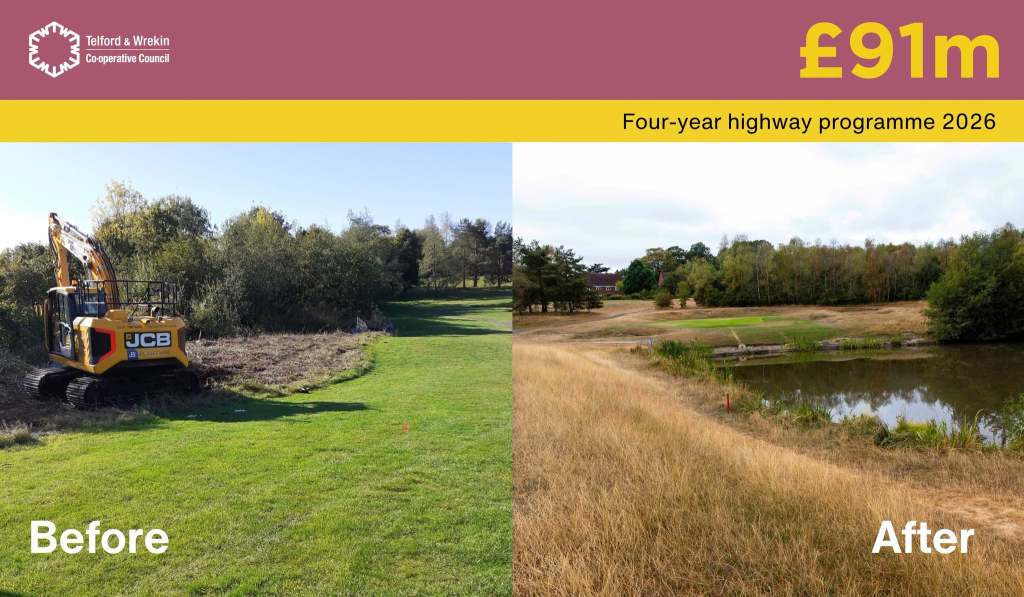
It’s a small, unglamorous engineering project, but it’s a clear example of a club becoming infrastructure its neighbours rely on.
Every club sitting on space, water or land that could serve double duty for its local area should be asking if there’s a community feelgood factor it could be at the heart of.


Leave a Reply