

An extraordinary month for English amateurs, a Borders club stripped of almost 100 years of trophies and a third drought in five years that has left clubs counting trees, badger damage and water bills. Here’s three stories concerning the UK golf industry we learnt during August.
A remarkable month for the amateur game
Two amateurs produced feats in August that most golfers will never witness, let alone achieve.

Matt Vigurs, a +1 handicapper from Droitwich, aced the 411-yard par-four third at Great Barr – a shot England Golf believes may be the longest hole-in-one ever recorded in this country. He spent several minutes searching for the ball before it occurred to him to look in the cup.
Two weeks later, 64-year-old Allan Harrison went four over on the front nine at Fairhaven, ate a pasty at the halfway house, and then made seven consecutive birdies and eight in nine holes – a run England Golf’s own data puts at better than one in 455,000 for a player of his standard, and one in 322 billion across all golfers.

Neither man was playing in a professional event. Both stories travelled far beyond their own clubs, and both are a useful reminder that the amateur game generates more compelling content than most clubs realise they’re sitting on.
Is your trophy cabinet actually protected?
Minto Golf Club in Roxburghshire lost its entire trophy collection when thieves broke into the clubhouse hours after the club’s Captain’s Charity Day. Around 60 pieces were taken, including trophies dating back close to the club’s 1928 founding.
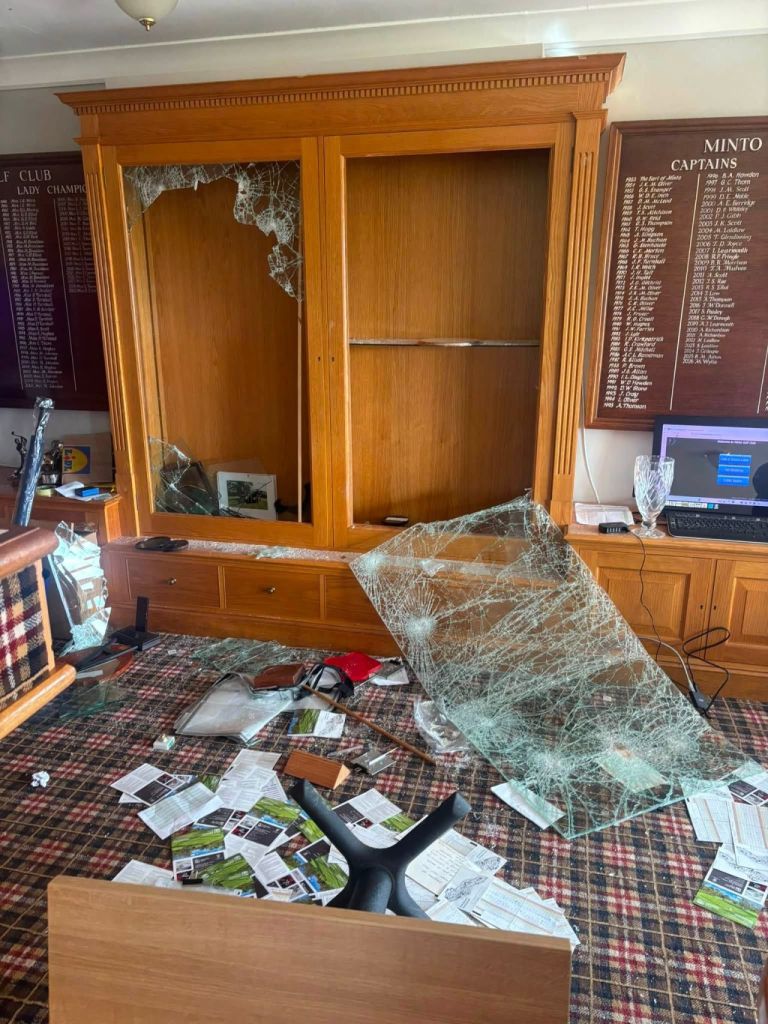
Trophy cabinets are a recognised weak point: usually glass-fronted, usually in a publicly accessible part of the clubhouse, and rarely alarmed separately from the building itself. Silverware also tends to be under-documented and, in insurance terms, under-valued – the sentimental worth vastly exceeds any figure on a schedule.
Minto’s own advice to other clubs was blunt: consider whatever additional security measures you can. Worth adding to that – photographs, hallmark details and engraving records make recovery far more likely if pieces ever surface, and cost nothing but an afternoon.
Drought is no longer an occasional problem
By late August, 71 percent of land in England was in drought and around 29 million people were living under water use restrictions. July was the driest since records began in 1836, with just 10 percent of expected rainfall. It was England’s third drought in five years.
The costs landed unevenly. Stourbridge Golf Club expects to lose between 800 and 1,000 trees, 600 metres of hedgerow and a storage building after a wildfire swept more than 500 acres, with full restoration potentially exceeding £1 million. Elsewhere, greens in Suffolk, Staffordshire and Worcestershire were torn apart by badgers digging for chafer grubs – irrigated turf being the only soft ground they could find. Greenkeepers had few answers, with soil-acting insecticides no longer approved and nematode treatments requiring the moisture drought removes.
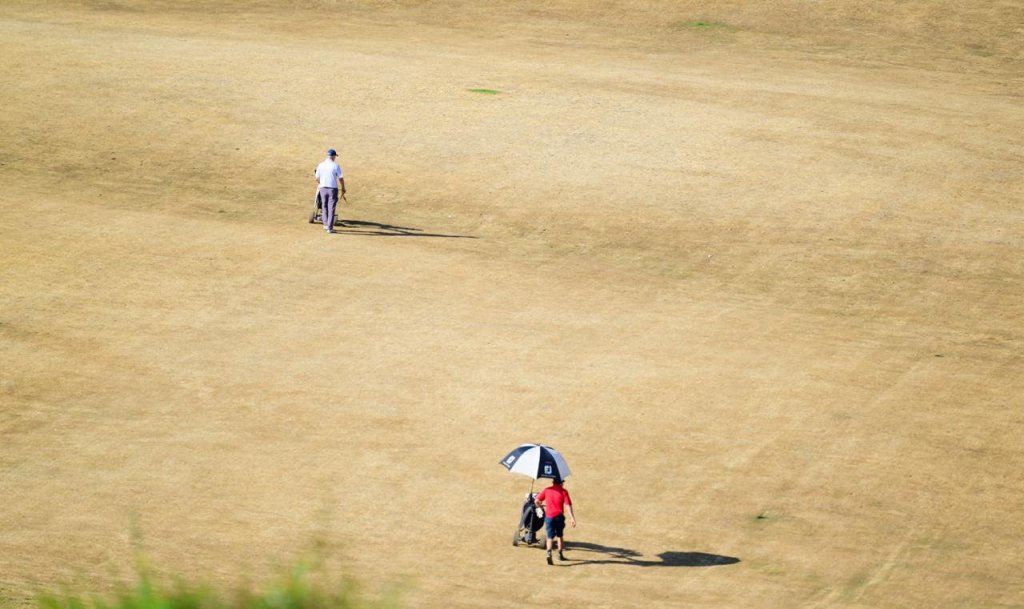
There were more than 1,500 abstraction licence restrictions nationally, spray irrigation limits in parts of East Anglia, and a drought order application from Southern Water. No non-essential use ban has been imposed in England since 2006, but one would reach straight into the maintenance facility – machinery wash-down, premises cleaning and pools all caught, even though sports turf irrigation sits outside the measure.
The counterexample came from Willingdon Golf Club in Eastbourne, which raised more than £30,000 towards a borehole – hitting a £15,000 Crowdfunder target in a fortnight and unlocking matched funding from Sport England’s Movement Fund, which it qualified for through its CASC status. CASC registration also allowed Gift Aid to be claimed on donations.
That combination – member fundraising, Sport England match funding and Gift Aid – is available to a great many clubs and used by relatively few. Given the direction of travel on both rainfall and water costs, it’s a route worth investigating before the next dry summer rather than during it.


Leave a Reply