

After the long and successful tenure of Colin Mayes at the head of BGL (Burhill Group Ltd), the baton has now been passed to his successor, Simon Thompson. We sat down with Simon to discuss adventure golf, enhancing the company’s driving range experiences, celebrating sustainability wins and much more.

Congratulations on the new role Simon. Can you let us know a little bit more about your career to date?
I initially trained as a chartered accountant and then had 14 years working in corporate finance to begin my career. I worked at EY on a variety of different corporate finance projects, focusing on lots of hospitality, leisure, retail and private equity clients. Bourne Leisure was one of my clients during my time at EY, and I then joined that company back in 2010.
I started in a central strategy role with Bourne Leisure but moved fairly quickly into operational roles. I then had eight years as the managing director of Warner Hotels, which was part of Bourne Leisure, eventually leaving at the end of 2023. I’ve been part of the BGL team since October now and have really enjoyed my first few months getting to know the businesses better.

Major golf club operators in the UK have been investing heavily in their driving ranges lately – you guys included. Is this something you’ll be continuing at BGL? Do you want some of your clubs’ driving ranges to rival some of the popular standalone driving range entertainment centres in the UK today?
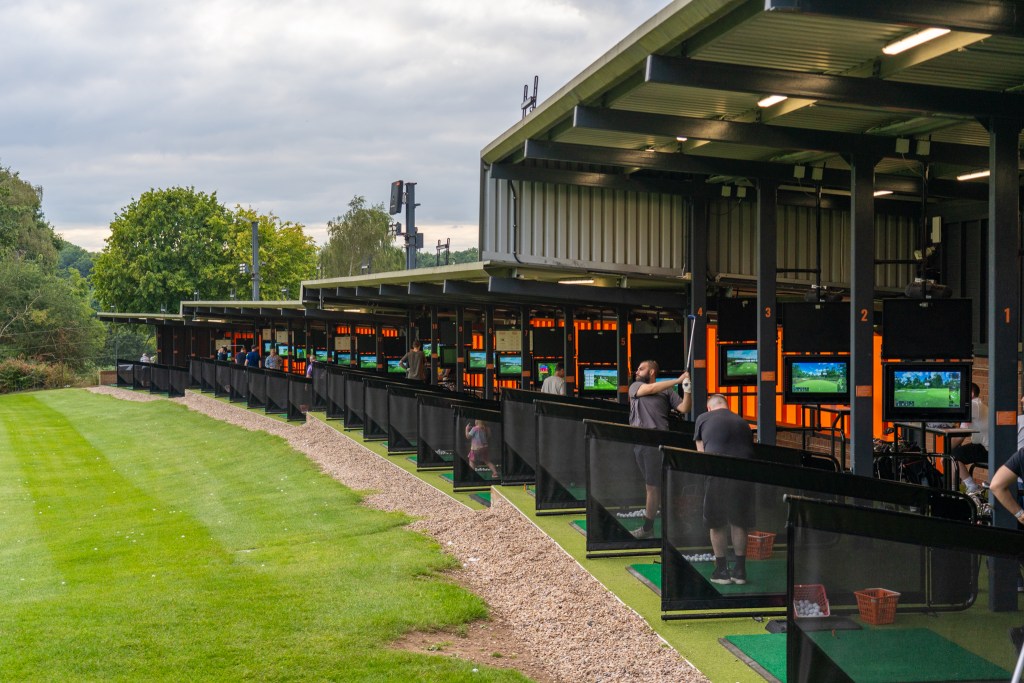
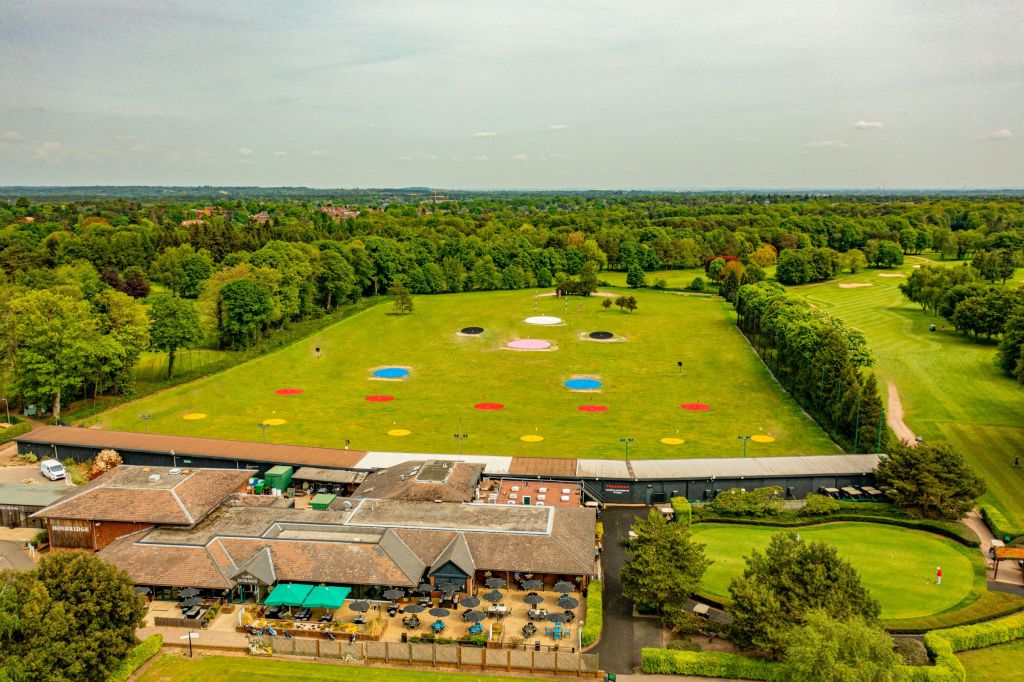
Absolutely. Whether it’s a scratch golfer wanting to use the same equipment as the pros or someone hitting golf balls for the first time with their kids, we create a fun, welcoming environment. One of the biggest revelations for me when I was learning more about BGL, and even more so since joining, is just how exceptional the customer experience is at the driving ranges. The Trackman technology adds to that brilliant experience. From a commercial perspective, it’s also fantastic for individual clubs, bringing new guests in at various times throughout the day and throughout the year.
We’re definitely planning to continue expanding this offering. About a third of our driving range revenue now comes from food and beverage so that’s an important aspect for sure. It’s become essential – the analogy I always use is our driving ranges are like a sports bar without a back wall. That’s how we want our driving ranges to look and feel. That’s the experience we’re striving for, and it’s working brilliantly to this point.

Adventure golf has been important to BGL in recent years. Can you take us through what you offer and how important it is to the business?
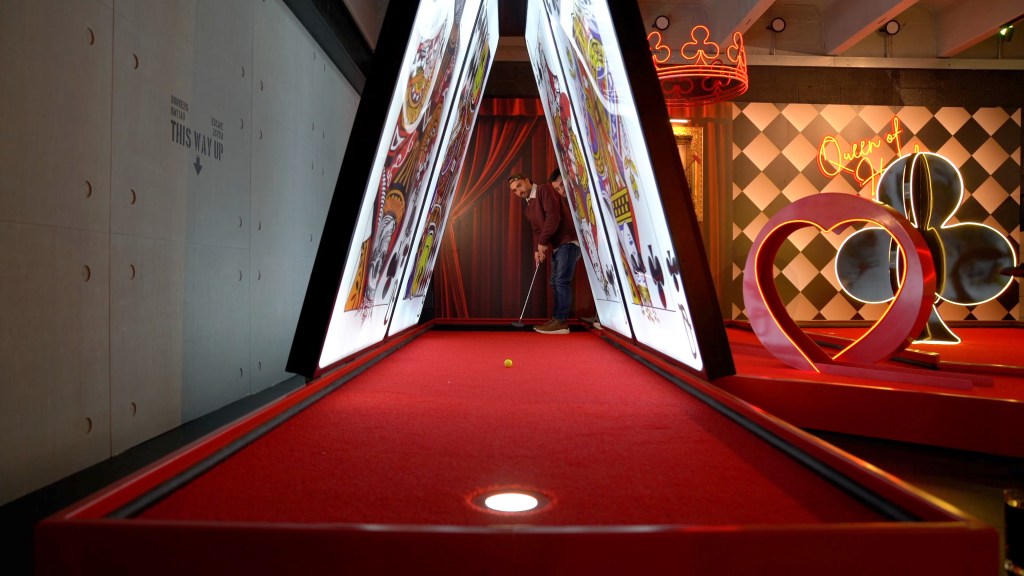
Adventure golf has become increasingly important to BGL in recent years. First, there’s a large market of people who begin their golf journey in the adventure golf environment; what you’d label as ‘non-traditional’ pathways into the game, such as standalone units like Mulligan’s. Adventure golf units at clubs often encourage visitors to explore other facilities, like the driving range. It’s proving to be a great pathway into golf, and we’re seeing this more and more in the modern golfer.
Second, it’s simply a fun experience in its own right. It brings families and friends together for a social, competitive activity that’s completed on a face-to-face basis.
Thirdly, it’s weather-resistant and operates year-round, all day, which makes it a sustainable offering. Many aspects of managing adventure golf such as team training, food and beverage procurement, and maintaining a strong customer experience align naturally with BGL’s existing expertise in the golf industry.
Sustainability has been an important issue at BGL for years now. What measures have you brought in so far and what will you look to introduce moving forward?
Sustainability is clearly a vital part of golf’s future, and at BGL we take it very seriously. There’s a clear plan in place, with significant investment into initiatives like building reservoirs for irrigation and reducing sand requirements in the bunkers, or the installation of solar panels around our clubhouses and carparks.
Looking ahead, we’ll continue to focus on managing courses in ways that provide a fantastic experience for golfers while also being environmentally responsible and cost-effective. It’s about ensuring we deliver great customer experiences while doing what’s right for the environment and the local community.
There is certainly an opportunity to increase the general awareness of these positive steps we are taking, in terms of elevating the profile of the sustainability efforts in our industry.
For example, Birchwood Park Golf & Country Club was recently nominated for England Golf’s 2025 Sustainability Award, which is fantastic recognition of the work being done at that particular facility.
How has the financial state of BGL venues changed since the participation boom started in 2020?
Since the pandemic, we’ve continued to see growth, with courses generally staying very busy. More people are discovering and playing golf, including a lot of younger players taking up the sport. This new influx means there’s definitely room to be more dynamic with our offerings, beyond just the traditional 18-hole format.
Shorter formats, like par three courses, have proven very popular — not only with beginners but also with long-time players who don’t have time for a full round but still want the social and competitive experience.
During the pandemic, many players either tried golf for the first time or returned to the game, often through our short courses. Some of those players have transitioned to becoming members or regulars on our 18-hole courses, but it is our job to improve retention of these new players.
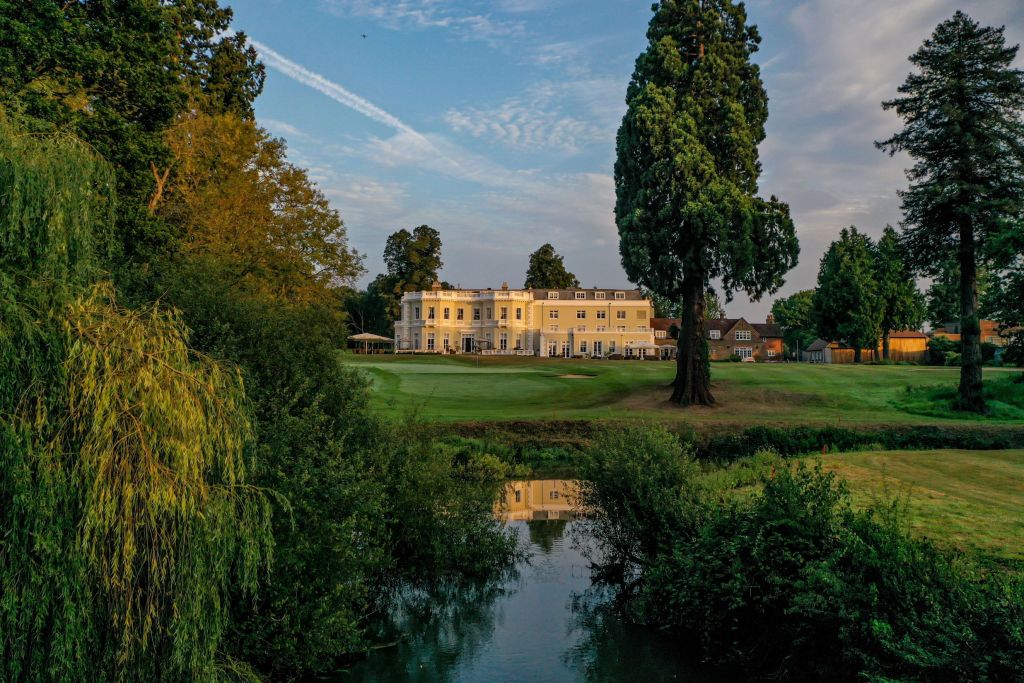
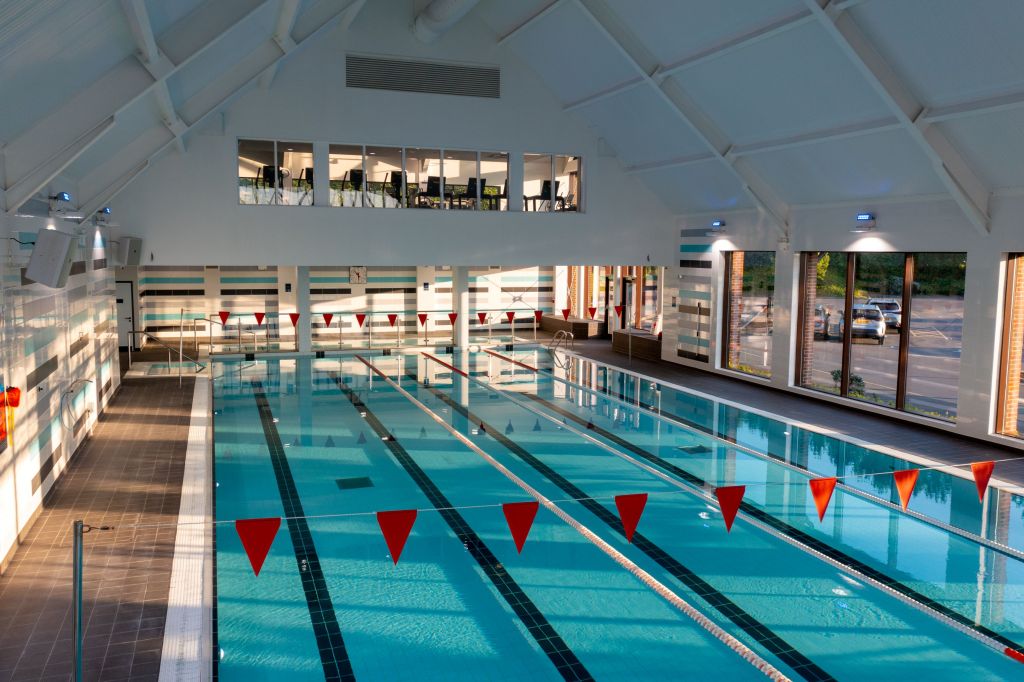
That’s why facilities like Birchwood Park are a compelling model — with an 18-hole course, driving range, swimming pool, and other leisure amenities, it offers more value and flexibility. The proposition becomes much stronger, and that value-for-money perception is different when people can get more out of their membership. The more reasons you can have to join the club; the more people will play golf.

Inflation in recent years has had a huge impact on the UK golf industry – how significant has it been for you?
It’s been a challenging environment in which to run a hospitality business. It’s important that you are working really hard to get value for money out of your suppliers, that you’re clear with your members and customers, and ensure that you offer good value. The prices have gone up on the menus, but we have also improved the experience.
Clearly, everyone’s working very hard to look at smart ways of procuring the materials and labour that you need to sustain a great golf course. We’re constantly looking at how we might do that better and where we get help with that.
Premium coffee is a good analogy though. When the economy gets bad, people don’t stop buying it and drinking it, because it’s their luxury and they’ll trade away other things instead. If you’re a member of a golf club and it makes up a large portion of your life, that’s the thing you prioritise over maybe an extra holiday that year, provided that there is significant value to the customer.

Do BGL clubs market themselves separately or is there a central marketing offering they can use?
We’ve got 10 clubs around the country and they each have their own unique offering. We want them to be important parts of their community, so their unique nature lies in the way they market themselves and the way they operate. This means advertising the non-golf events that go on at our venues, from music nights in the winter to family-focused events throughout the year. The marketing around those venues is definitely localised, whether it be on social media or reaching out to local journalists on a regular basis. But we also have a central group marketing team who assist with lots of marketing campaigns for our clubs throughout the year and are always available to help.

Will BGL be looking to expand in the near future?
If you operate a brand that you don’t have a desire to expand, there’s a fair chance that it might not be a strong enough brand to begin with. From a golf perspective, it’s about finding the right opportunities for growth. We have great fundamentals and we’re clear on our offering, so we can use that to grow all our divisions and expand on all sides.

Finally, Colin Mayes had a long run at the head of BGL. How easy are you finding it to fill those shoes?
Colin is a huge character in UK golf and hospitality and has had a dramatic impact on the growth of BGL over the last couple of decades. I think they’re clearly big shoes to fill (and a big wardrobe, he’s got a lot of jackets!) I’m grateful that we’ve had a six-month overlap period. In practice, we think about the business in the same way, and we’ve got a very similar approach to where we think the group should go in the future. It’s my job now to take that to the next stage and I’m excited about that process.


Leave a Reply