

Wildlife photographer Steve Young has been a member of Childwall Golf Club in Liverpool since 2021. Here, he shows us and discusses the many birds he spotted in 2024.
The first Childwall GC bird report was in 2022 and since that time there have been a few changes for the better to the birdlife on the course.
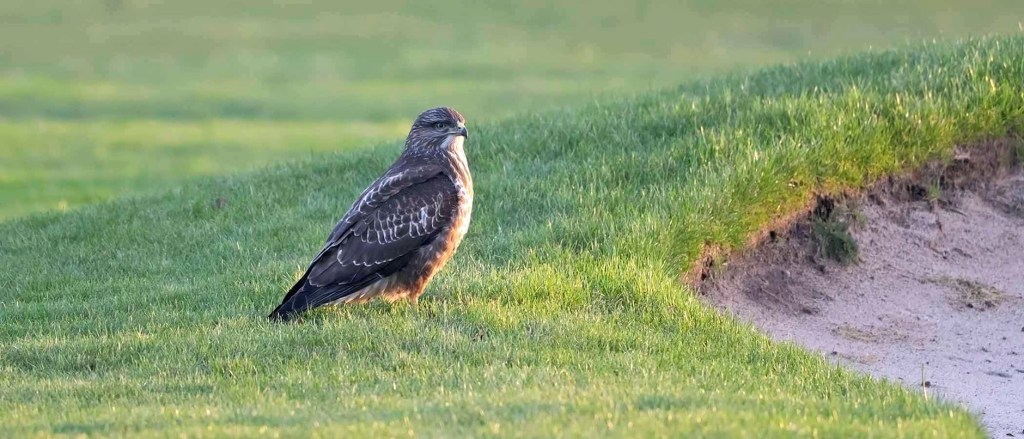
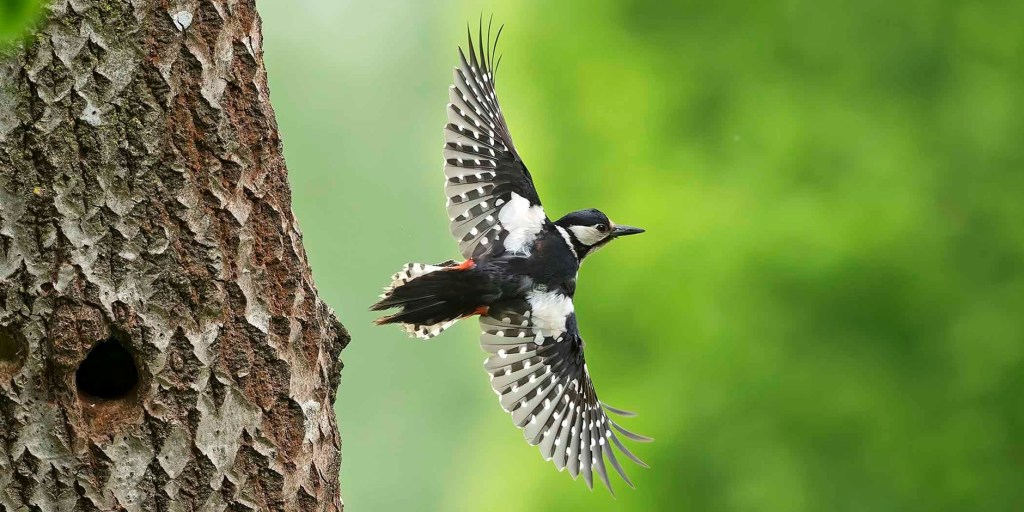
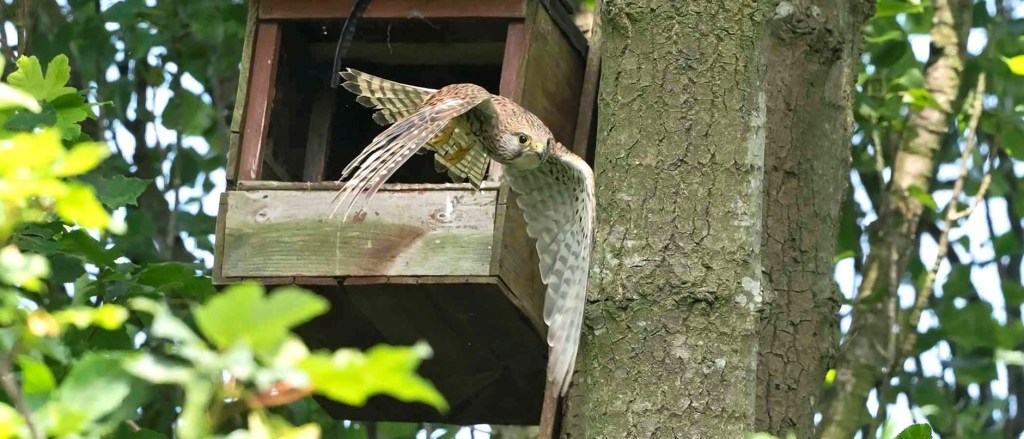
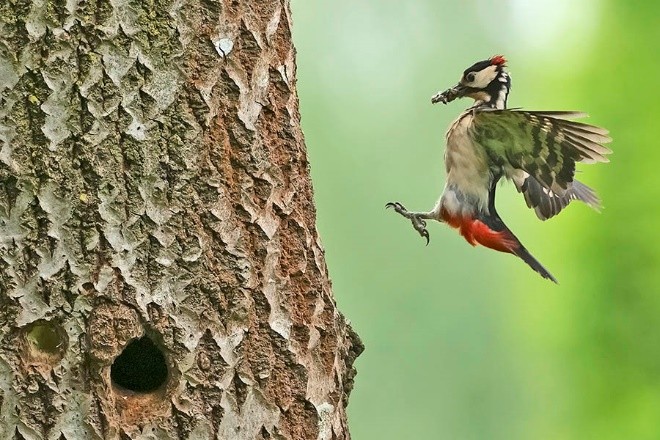
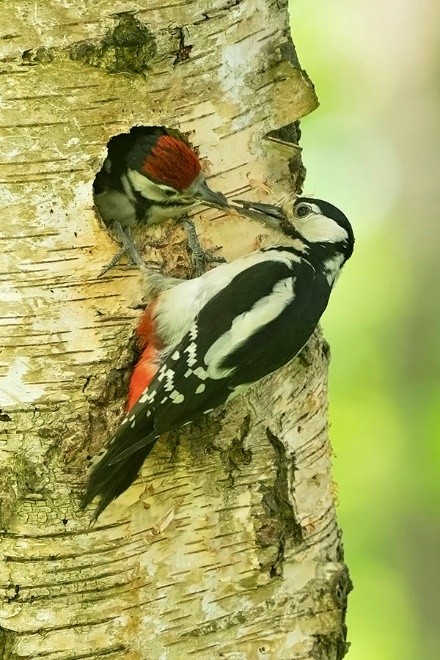
It’s fair to say that we have three ‘star’ species at Childwall GC so each have their own page in the report; in no particular order they are kestrel, buzzard and great spotted woodpecker.
All three have bred successfully for the last three years and can be seen throughout the year around the course; there are two pairs of kestrel and buzzard, and at least four pairs of great spotted woodpeckers.

Backing up this trio are many other breeding species such as sparrowhawk, nuthatch, treecreeper, mistle and song thrush. Summer visitors such as blackcap, chiffchaff and willow warbler also breed here. Birds such as robin, blackbird, wood pigeon and dunnock are numerous with many pairs breeding around the course; but nests are difficult and time-consuming to find so an estimate is done by the number of singing birds in spring or those individuals watched carrying nest material.

There were more of our nest boxes occupied than in 2022, with at least ten pairs of blue tits, one pair of great tits and a pair of nuthatch using them. Blue tits also bred in the ‘ash tray box’ on the veranda again for the third year, again successfully raising young.
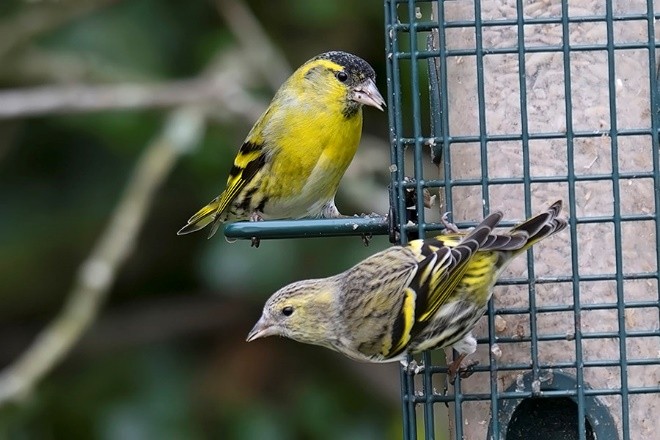
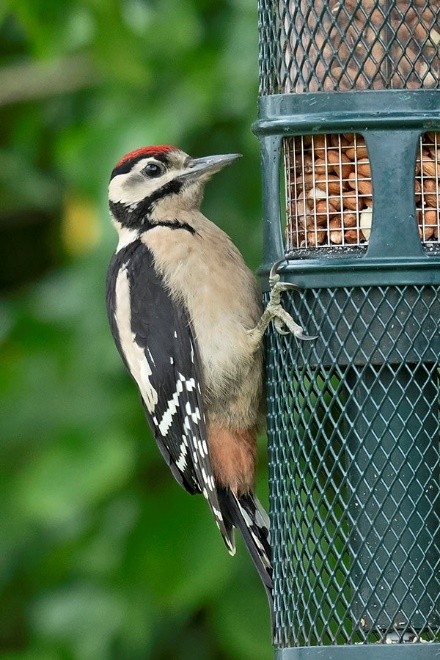
Our feeding station situated behind the 18th green next to the practice nets has improved dramatically over the last 18 months. As well as all our regular visitors, including nuthatch, great spotted woodpecker and the expected goldfinch, greenfinch, chaffinch, coal, great and blue tits, on February 13 we had our first siskin on the seed feeders, closely followed by our first record for the course of lesser redpoll and brambling.
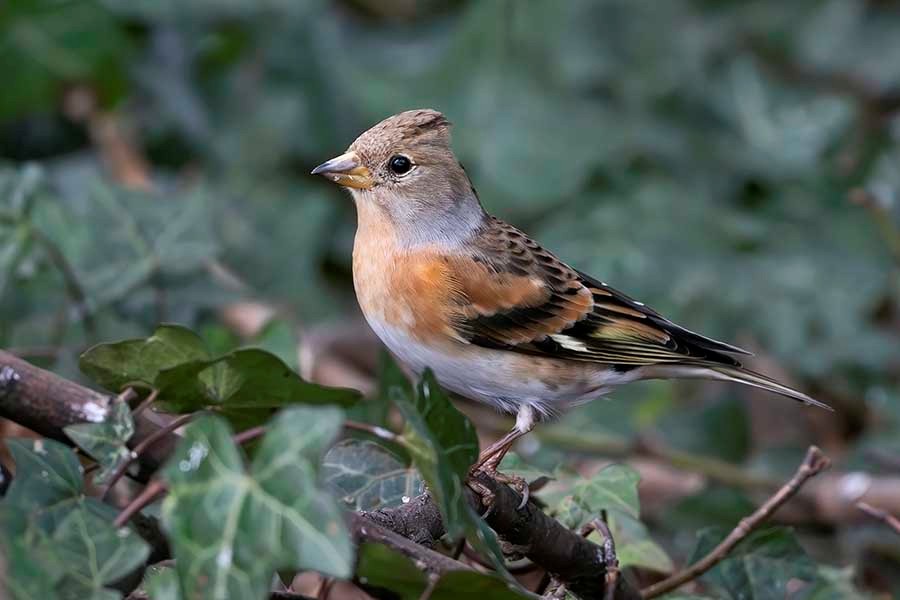
Siskins increased in numbers until a maximum of at least 30 were seen on March 9, but there was that much ‘coming and going’ it was difficult to count accurately so the number was probably nearer 40. There were two lesser redpolls and just a lone female brambling that fed underneath the feeders in the company of a few chaffinches.
The birds appear to be going from strength to strength at Childwall GC with increased numbers breeding and more species visiting the feeding station; hopefully this will continue in the years to come.

Birds recorded at Childwall GC 2024
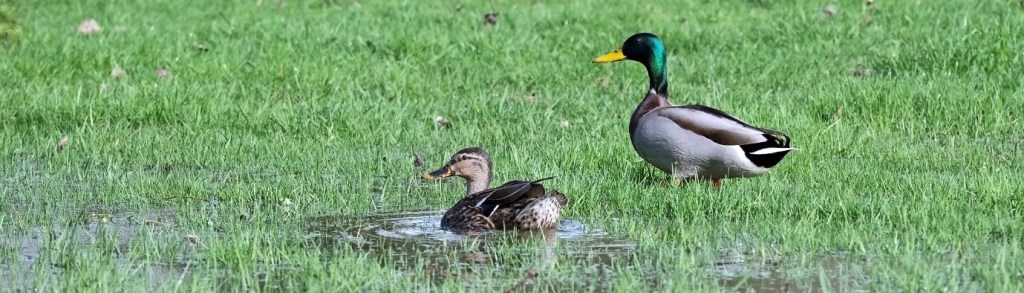
Mallard
A pair on flood water under fir tree along the 1st fairway became almost a regular sight during the wet winter. Occasional sightings during the year of up to three birds usually in flight or sometimes wandering aimlessly around the course.
Teal
A pair flushed from the brook behind 10th green on March 12 was only the second record.
Pink-footed goose
Small flocks seen regularly flying over the course during autumn / winter; the highest count was 154 over the clubhouse on March 12.
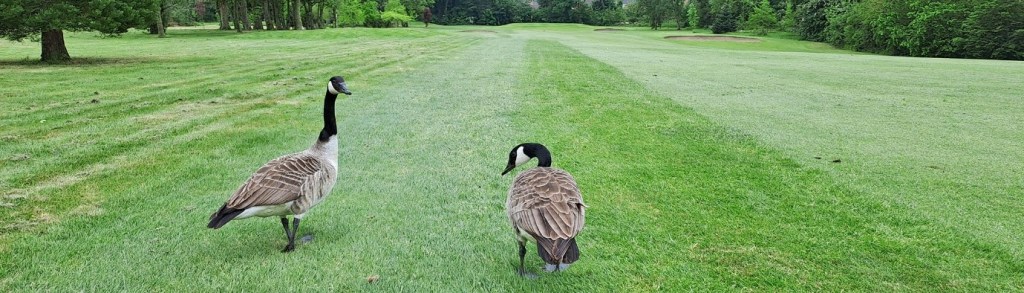
Canada goose
Pair occasionally seen during spring, mooching around the fairways of the 2nd and 4th holes, but no sign of breeding.
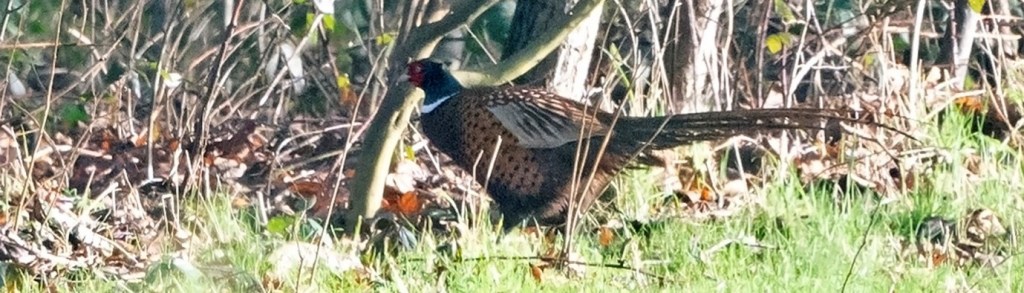
Pheasant (B – donates breeding)
Rarely seen actually on the course but when they are it is usually around the 11th and 12th holes, so presumed breeding in bordering field.
Male behind 11th green on January 4, calling and seen in flight in field by the 12th tee in September, and two males in field behind the 12th tee in late October.
Cormorant
Irregular fly-overs, presumably either after fishing or towards a fishing area. The large pond on the old nine-hole course could well be a feeding site?
Two flying over the 4th hole on February 11 and one over the 7th fairway in November were the only reports.
Grey heron
Occasionally seen in flight; one over the 2nd fairway in February and one flying along the 2nd hole in November. Presumably these individuals will have been fishing in a garden pond somewhere nearby.

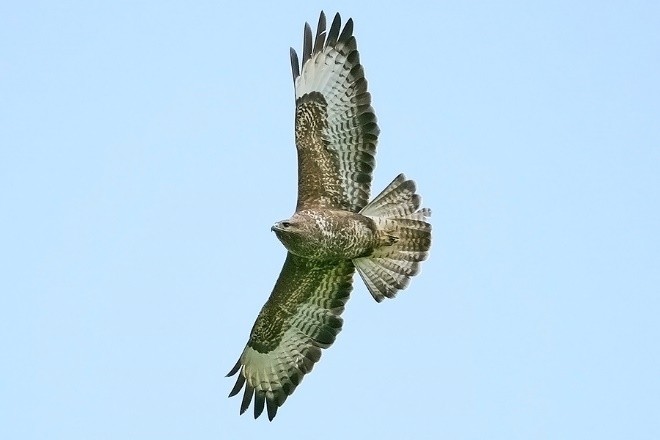
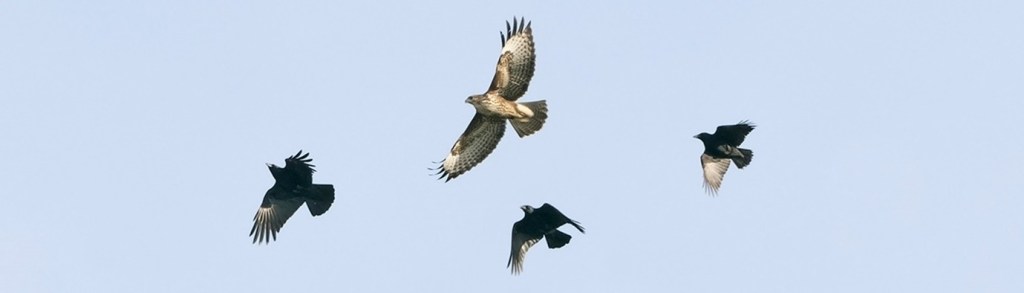
Common buzzard (B)
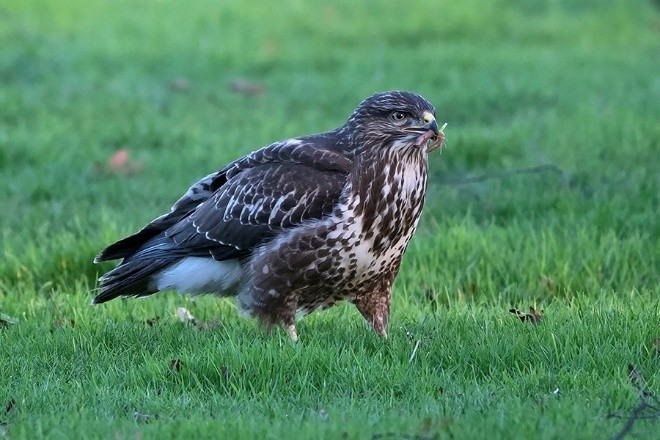
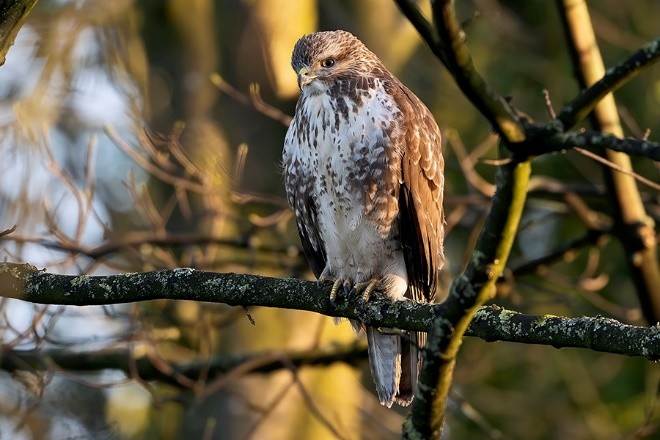
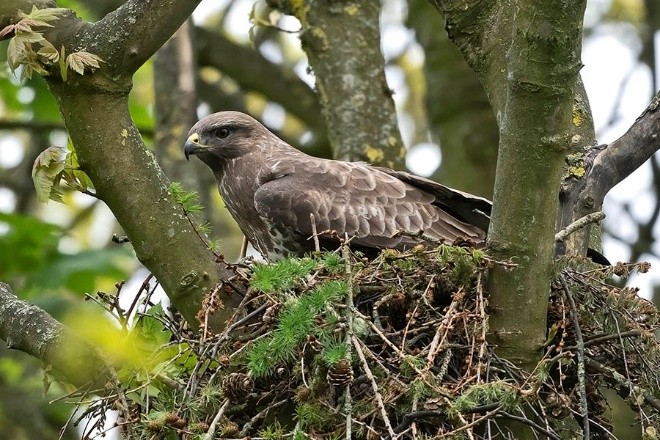
The buzzard is one of the star birds at Childwall, present throughout the year, with two pairs breeding.
Four soaring and calling over the clubhouse in March was the highest count of the year; three juveniles around during January, one a very nice pale bird.
Pair attempted breeding in the wood between 7th and 17th holes, but were unsuccessful; another pair did breed near the 12th hole.
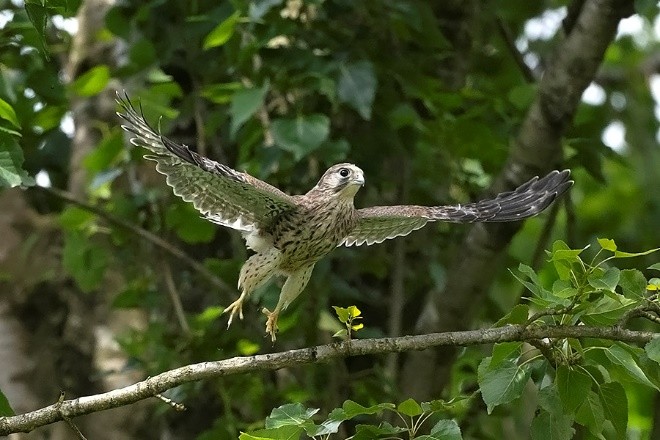
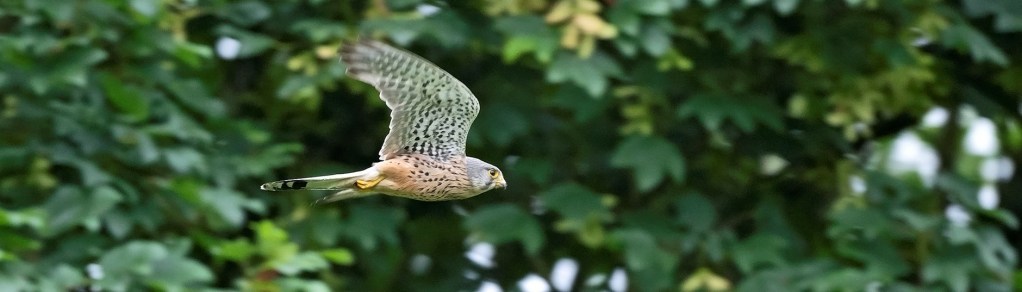
Kestrel (B)
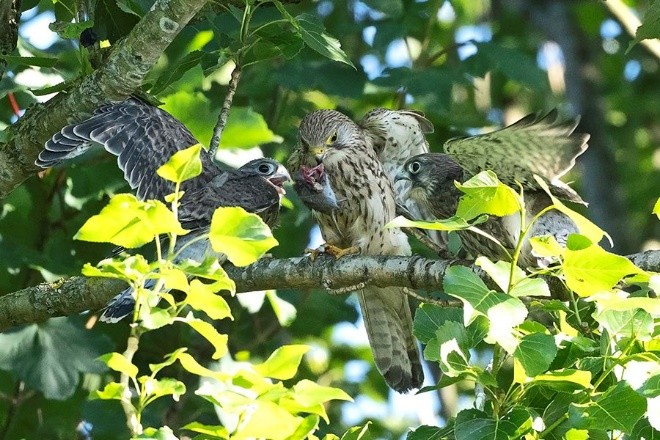
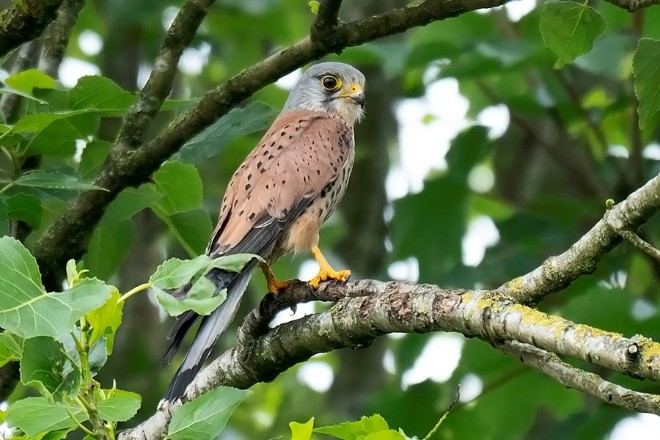
For the third year in succession a pair of Kestrels bred successfully at Childwall GC, raising three young. This year they used the box near the 13th tee for the first time as the one behind the 10th green fell down after a storm in late winter.
Another pair bred in the gardens along the 1st hole with the young heard calling on July 23, but nest not found.

Sparrowhawk (B)
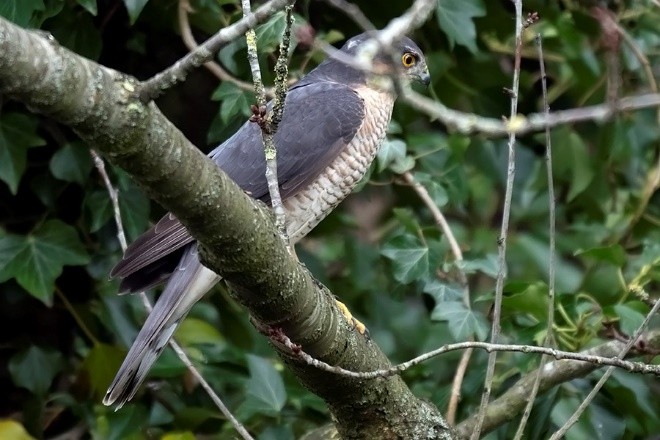
Male displaying over 18th fairway until attacked by carrion crow, female soaring until attacked by crow! Male soaring / displaying over 1st fairway. Occasional visits made to the feeding station during the winter by both a male and female in the hope of a quick takeaway.
Breeding again near car park as per 2023, young heard calling first week of August.


Moorhen
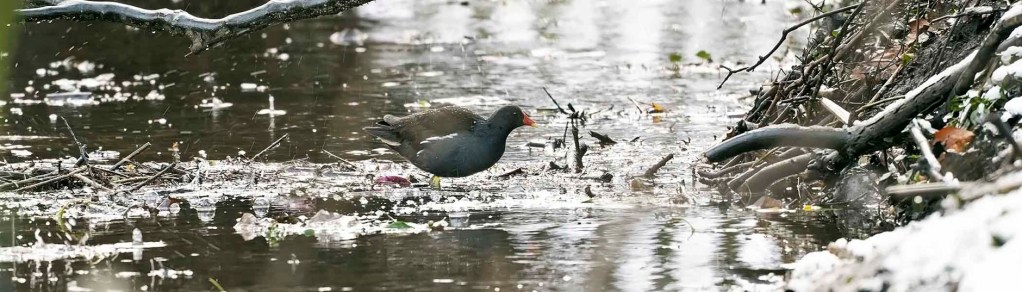
An adult feeding in Netherley Brook behind 10th green on a snowy day in January was the first record for many years; another in same area in November.
Oystercatcher
One on May 8 calling and flying over practice area towards the 10th fairway. There is always a strange annual record of this shorebird at Childwall; can only think it’s possibly a breeding pair in nearby farmers’ fields or just the odd wandering individual.
Black-headed gull
Like all the gull species seen at Childwall, Black-headed gull is present in small numbers loitering about on the fairways mainly during autumn and winter, occasional birds seen late summer.
Highest count of the year was 17 feeding along the 3rd fairway in December.
Common gull
Small numbers mainly in winter occasionally wandering over from the nearby playing fields.
Herring gull
The most regular gull species seen on the course, sometimes double figures on the fairways during autumn / winter.

Lesser black-backed gull
One or two birds mixed in with the herring gulls during winter, but the least regular of the gull species.
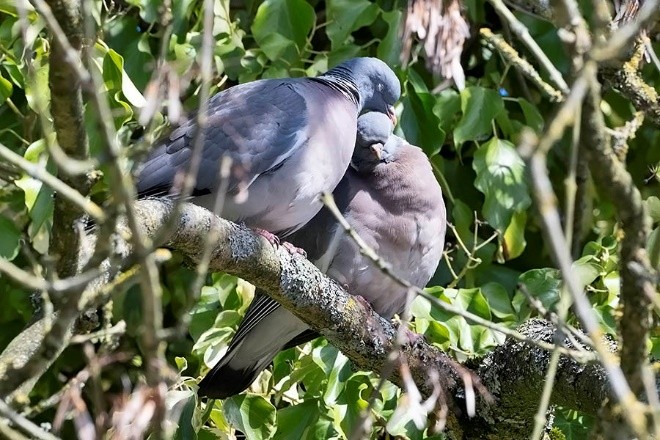
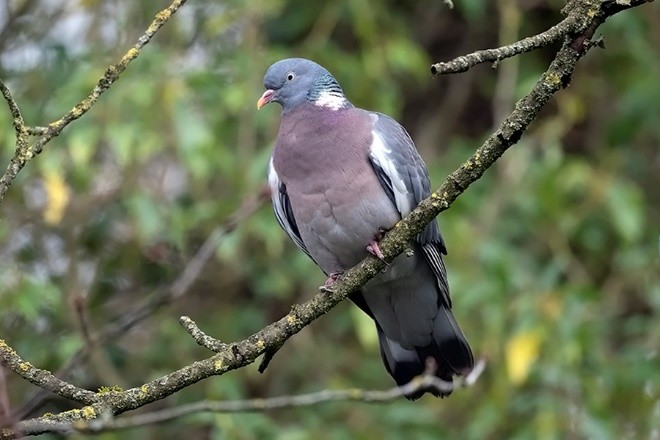
Wood pigeon (B)
Very common breeding bird, regular at the feeding station mopping up the spilt seed from the ground. Highest count of 167 flying over 1st hole on December 31.
Collared dove
A very casual visitor to the course; usually observed in flight heading towards the gardens bordering the 1st hole, but otherwise rarely seen, not even visiting to feed on the ground at the feeding station.
Little owl
One reported by the main road entrance one early morning in January but no further sign during next couple of weeks.
Common swift
First of year over 10th green on the quite early date of April 28; 50–plus over the 10th green and 11th tee on May 24.

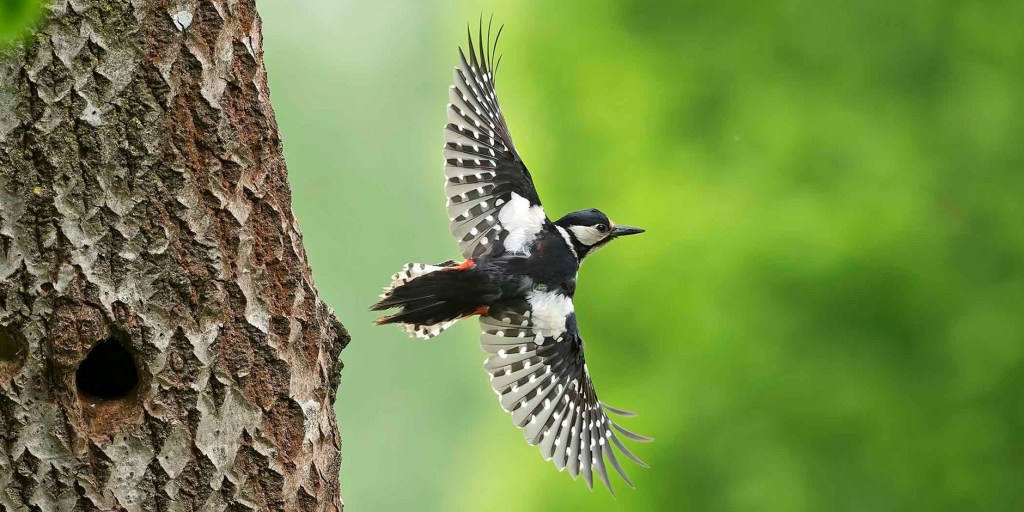
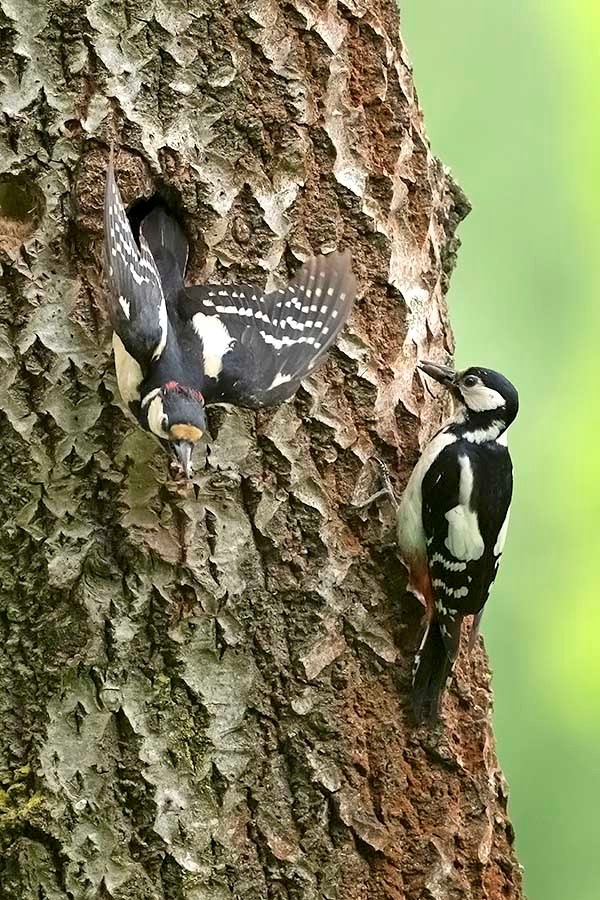
Great spotted woodpecker (B)
Seen throughout the year, a very regular visitor to the feeders.
Ring-necked parakeet
Seen throughout the year, usually occasional sightings of single birds in flight, but three over clubhouse in May and December.
Skylark
Singing over rough ground alongside the 12th hole, May until July, so possibly breeding?
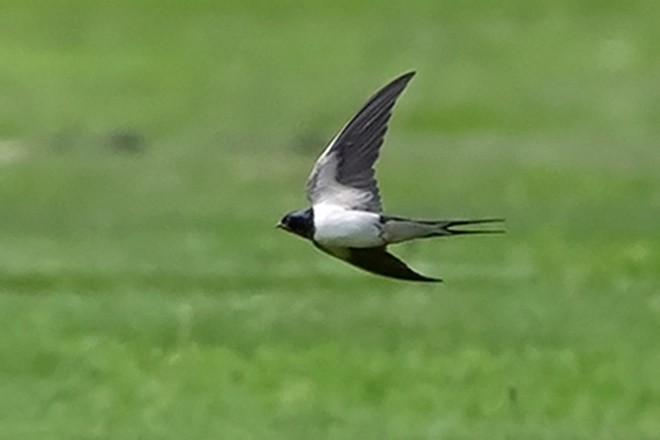
Swallow
Three over the 10th fairway on April 26; occasional during June, regular around practice area first week of July.
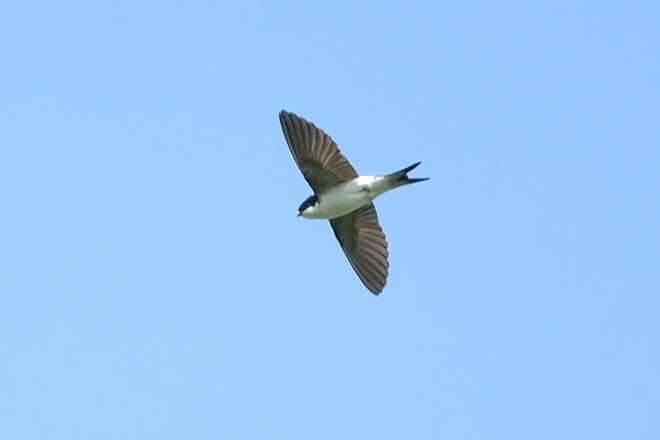
House martin
First of year was over the 10th hole on April 26.
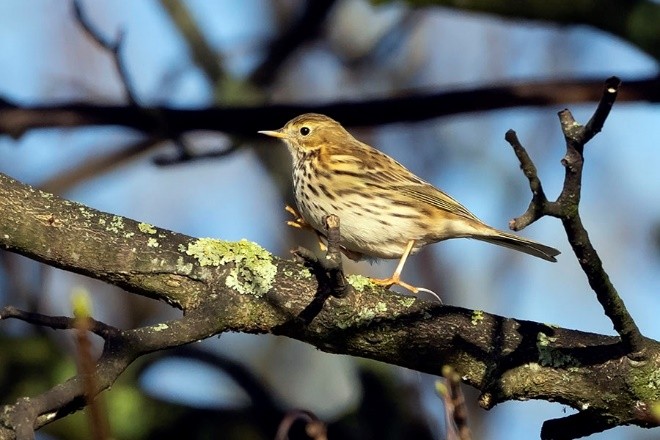
Meadow Pipit
Occasional fly overs, but 13 in trees along practice ground on November 20.
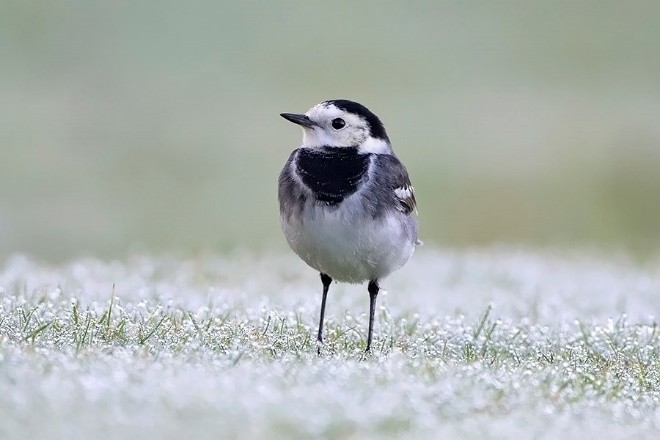
Pied wagtail (B)
Male singing on the clubhouse roof during March.
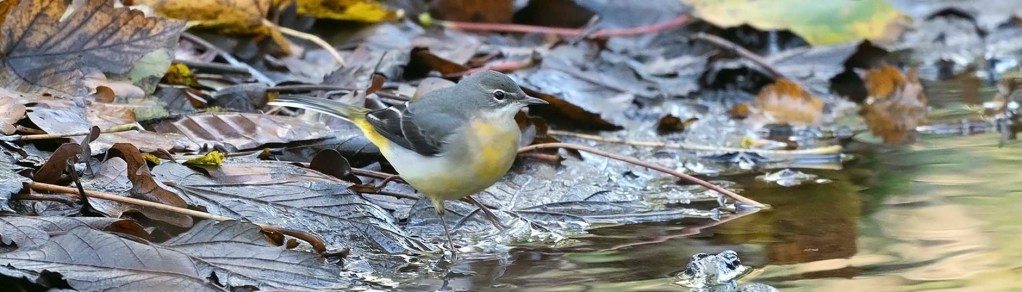
Grey wagtail (B)
Regular along the brook behind 10th hole during the autumn and winter months.
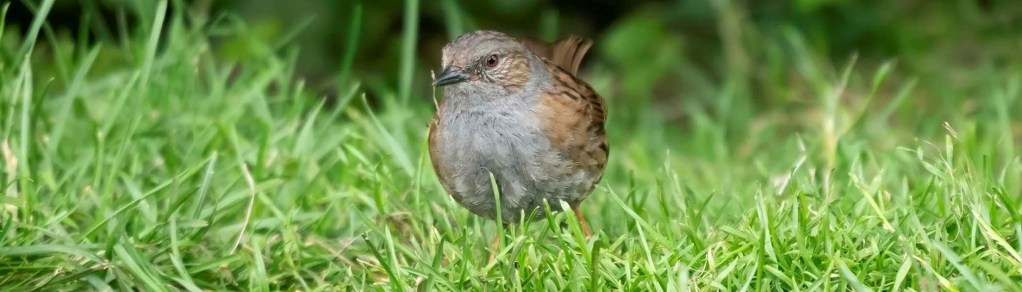
Dunnock (B)
Common around feeding station all year.
Robin (B)
Very common, at least eight pairs breeding; regular at the feeding station.
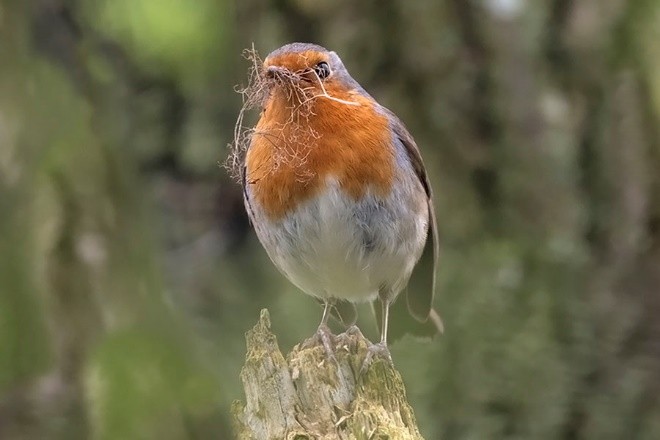
Song thrush (B)
At least five singing during spring; probably same number of pairs breeding.
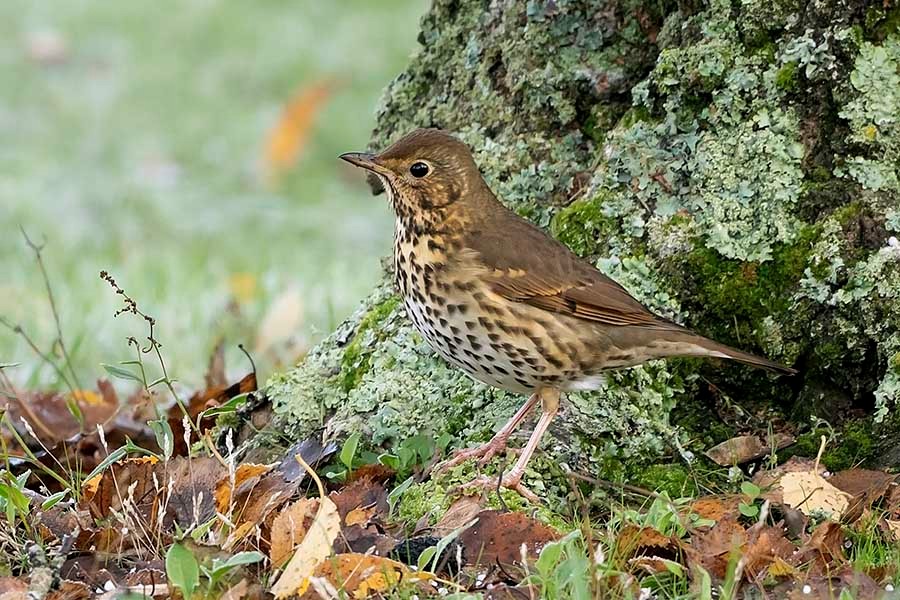
Mistle thrush (B)
Singing throughout January.
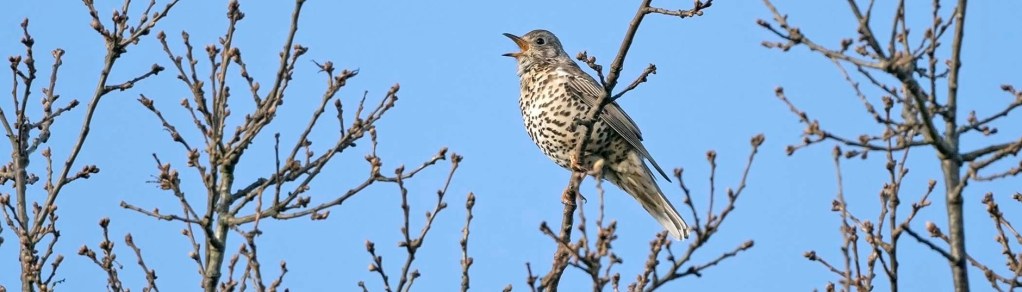
Redwing
Present throughout winter with peak count of 50+ on a snowy January 16.

Fieldfare
At least ten seen on January 16.
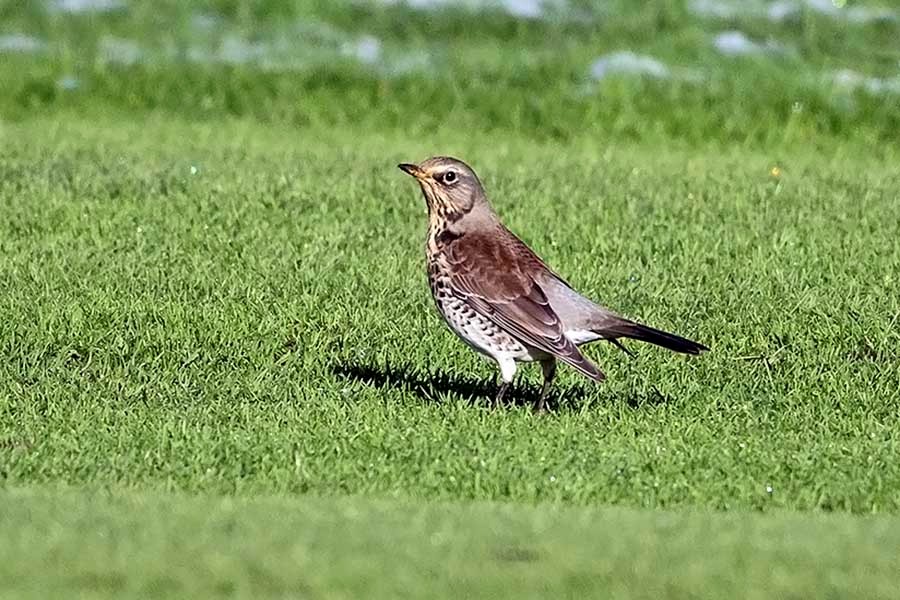
Blackbird (B)
Very common; regular at the feeding station, at least six pairs breeding.
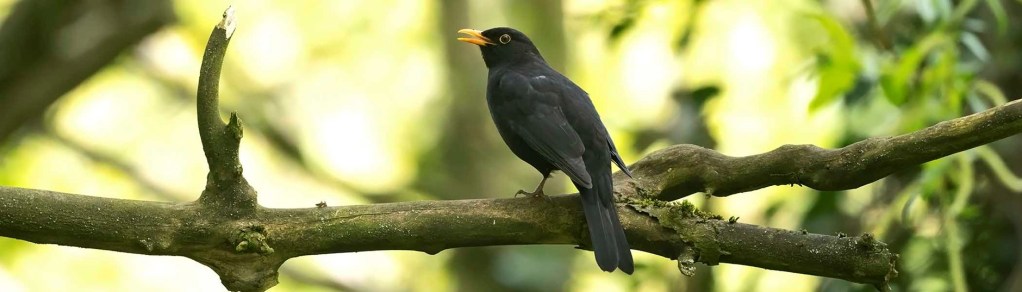
Blackcap(B)
First of the year was March 27 in a copse by the 11th tee.
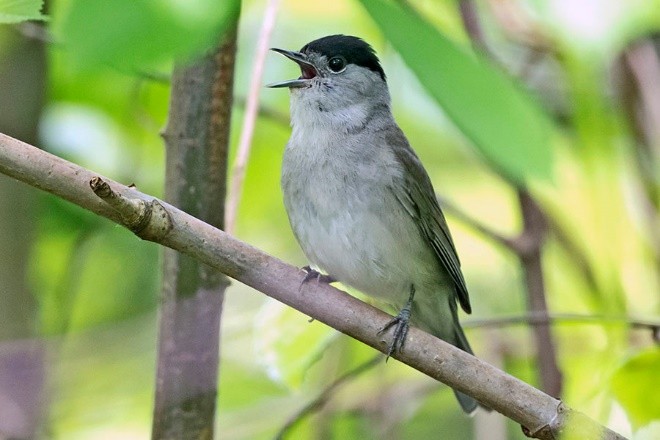
Whitethroat (possible B)
One singing along 12th hole from May to July; presumed breeding in the scrub area bordering the M62 alongside boundary fence.
Willow warbler (B)
First of the year singing on April 8; at least three others singing during spring, an increase compared to the previous years.
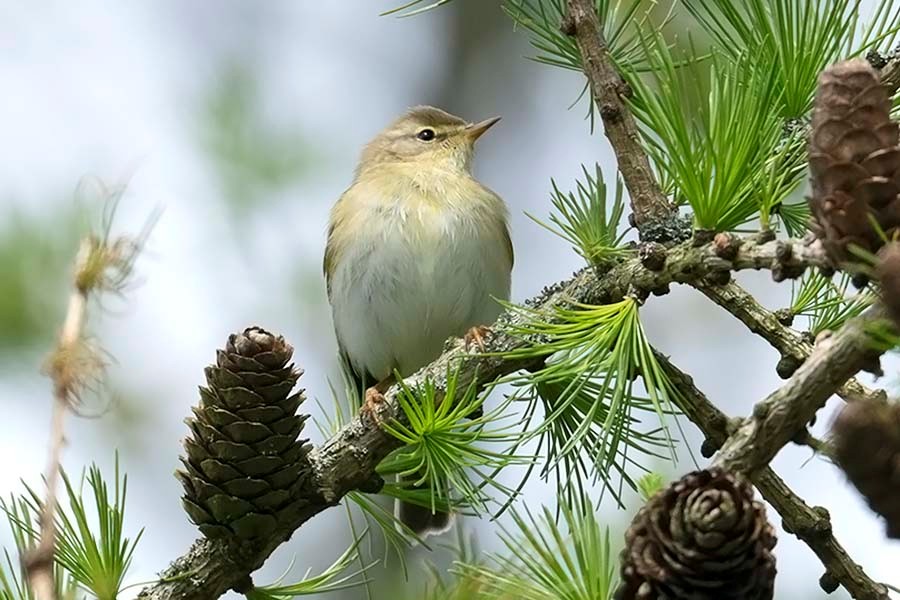
Chiffchaff (B)
First singing bird of the spring on March 16 by sheds; at least eight singing by end April.
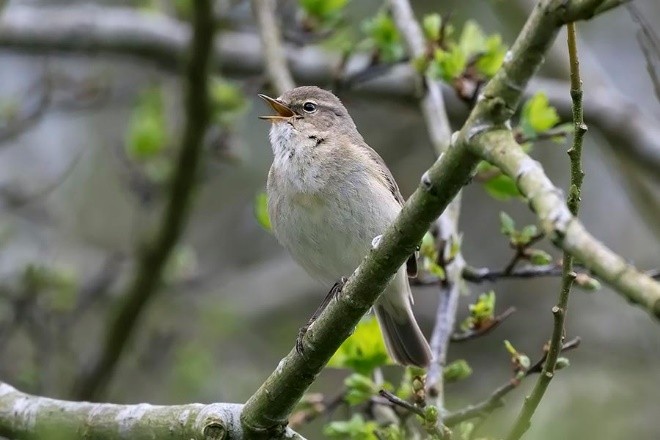
Goldcrest (B)
Good numbers around the course; five or six pairs breeding.
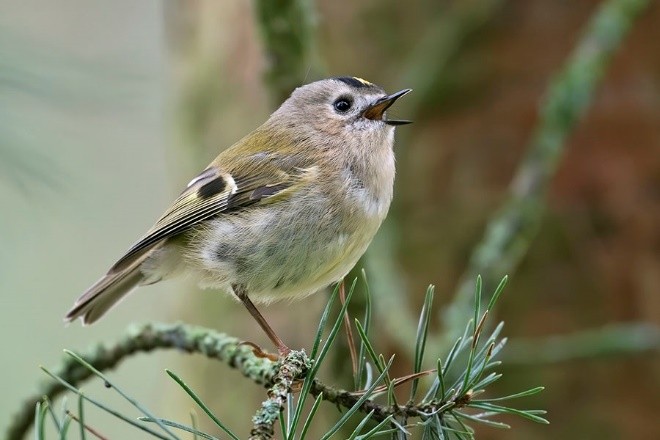
Wren (B)

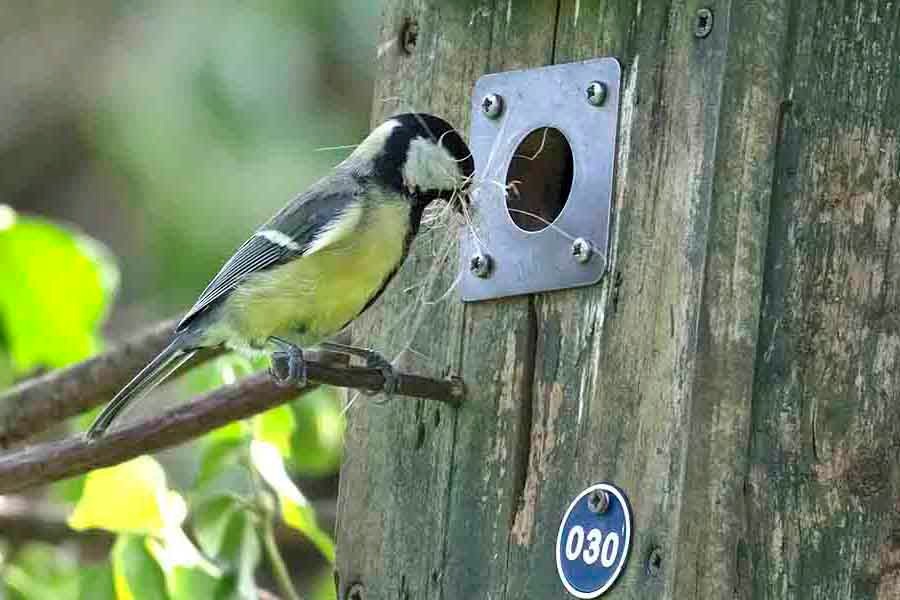
Great tit (B)
One pair occupied a nest box behind the 15th green, probably at least seven breeding pairs, very common on feeders.
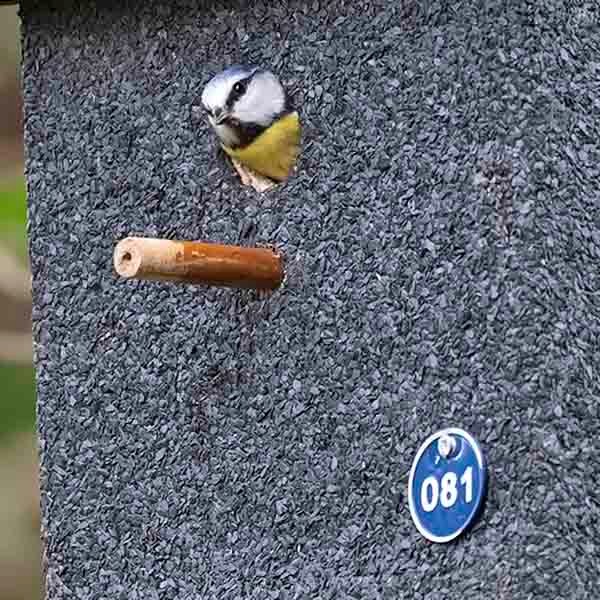
Blue tit (B)
Nested in an old nuthatch tree hole along the 14th hole; used ten of the nest boxes.
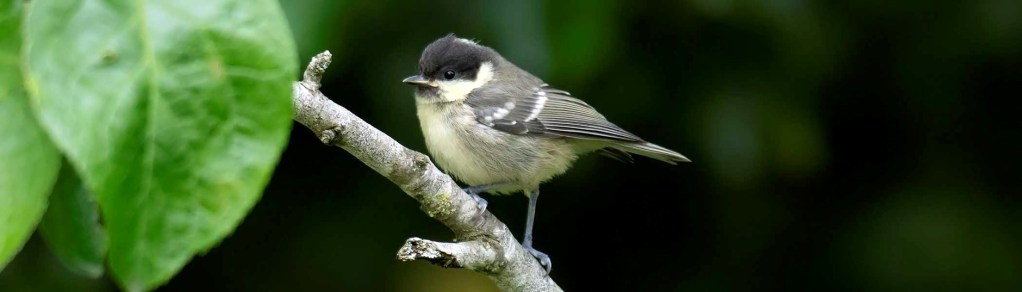
Coal tit (B)
Common on feeders; probably five breeding pairs.
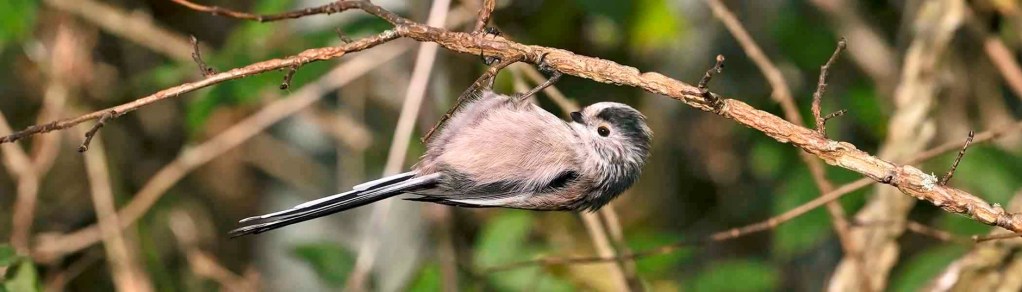
Long-tailed tit (B)
Small flocks around the course; pair nesting in pine near clubhouse in March.
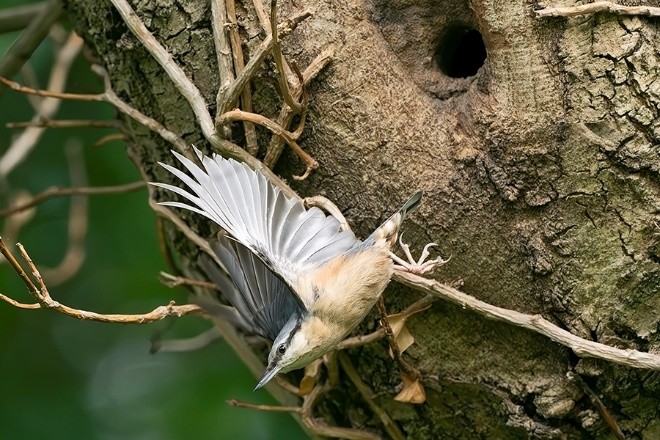
Nuthatch (B)
Common at feeding station throughout year.
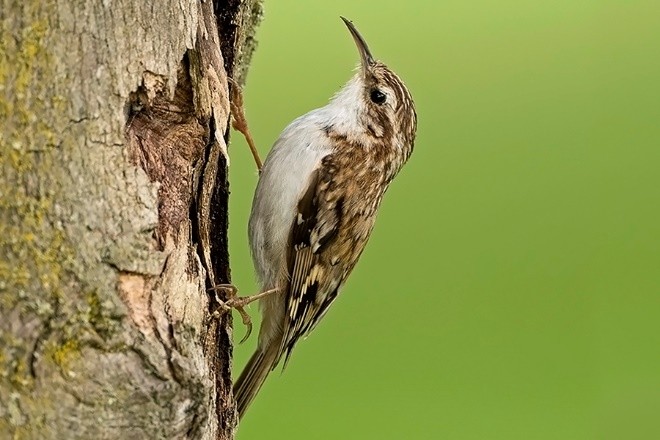
Treecreeper (B)
Seen throughout the year but difficult to find.
Magpie (B)
A very common sight around the course, at least four pairs breeding.

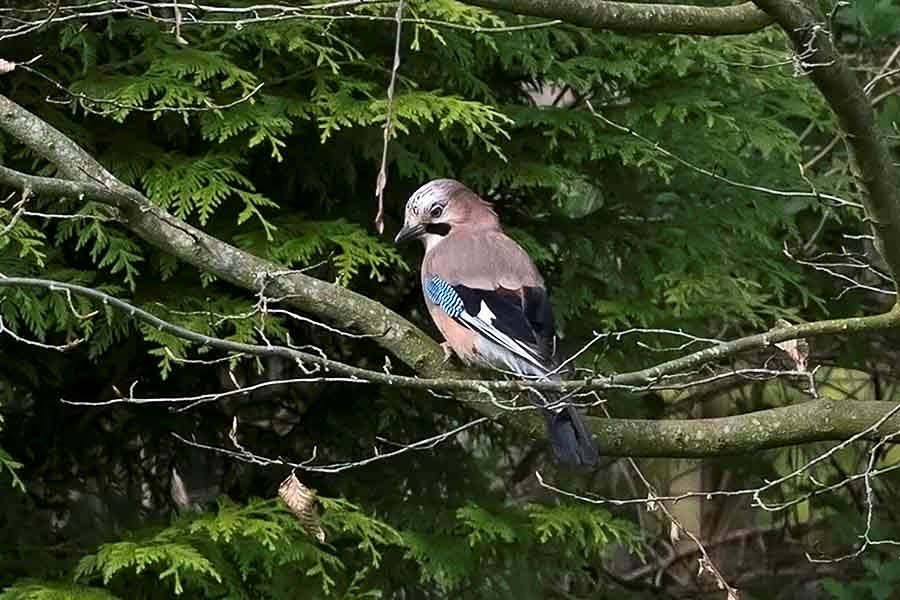
Jay (B)
Probably two pairs breeding; more easily seen during autumn when birds search for acorns, otherwise usually seen in flight.
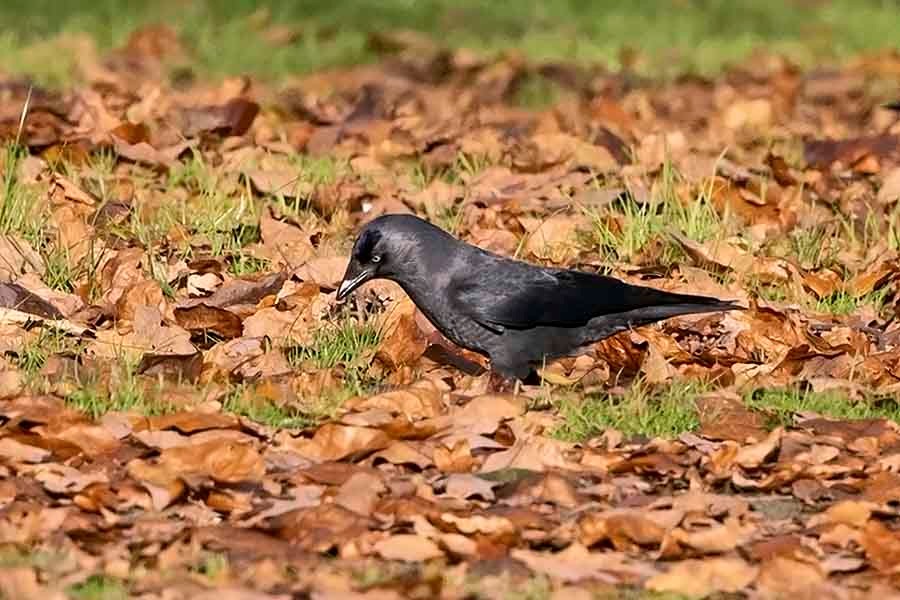
Jackdaw (B)
Breeding behind 10th green; large flocks in flight commonly seen, 103 over 14th hole, on December 11. Five feeding near practice area, 21st November
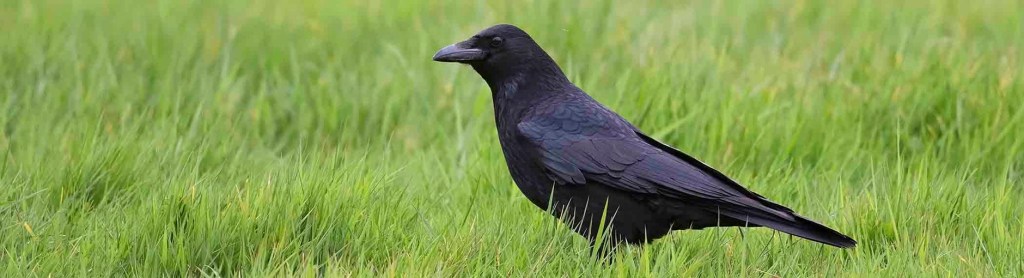
Carrion crow (B)
Common; will follow golfers hoping for a snack, especially around the 10th tee.
Starling
Unusual on the course; occasional singles, but eight around the 3rd tee on May 24.
Chaffinch (B)
Regular at feeding station, seven on March 10; maybe three pairs breeding.

Brambling
First record was a female on February 13 at a feeding station, seen until March 7.
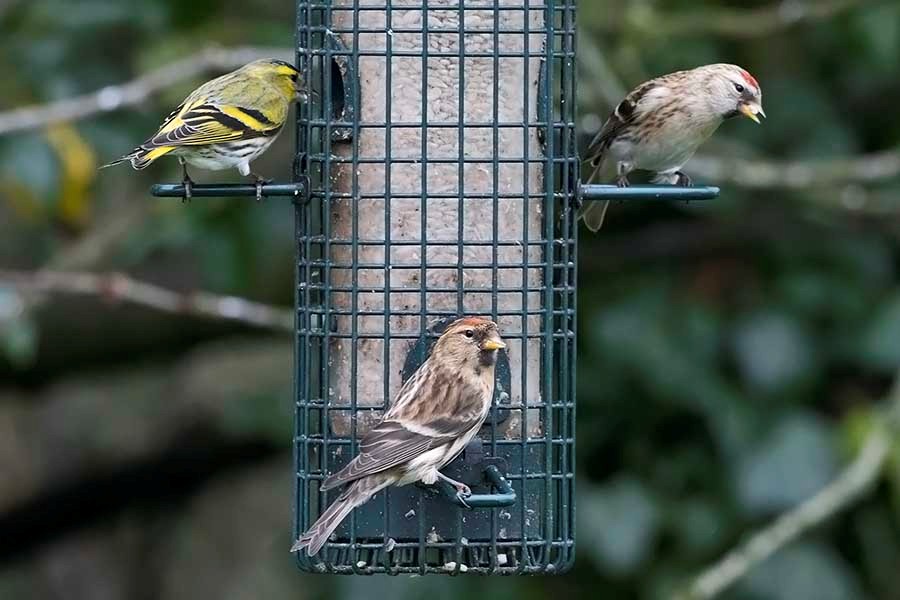
Lesser Redpoll
First record for the course on March 7.
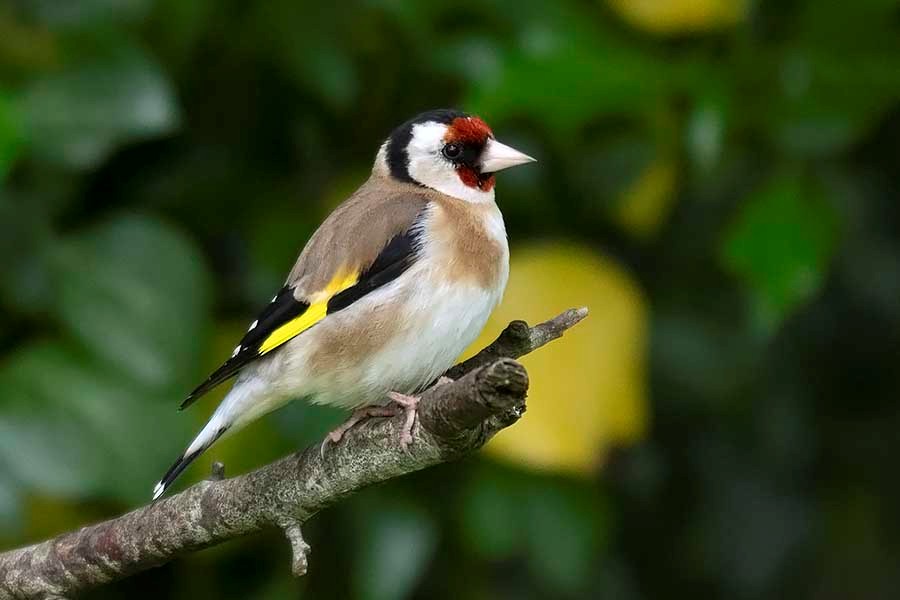
Goldfinch (B)
Very common at feeding station, including young birds during summer; 30+ feeding on thistle heads in wildflower area by the 3rd tee in August.
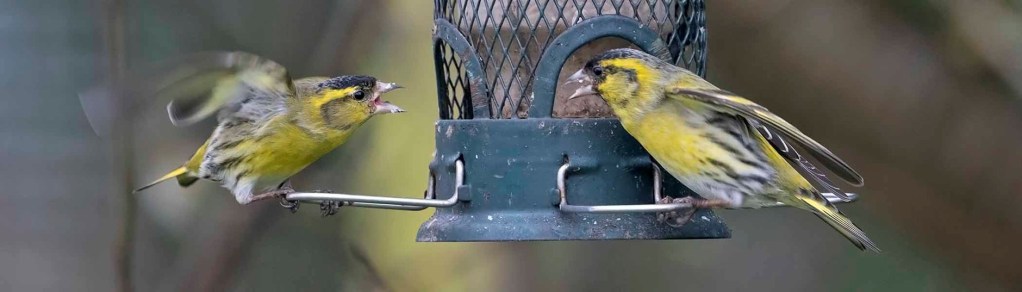
Siskin
Although seen and heard annually around the course, 2024 was the first time Siskins visited the feeders.
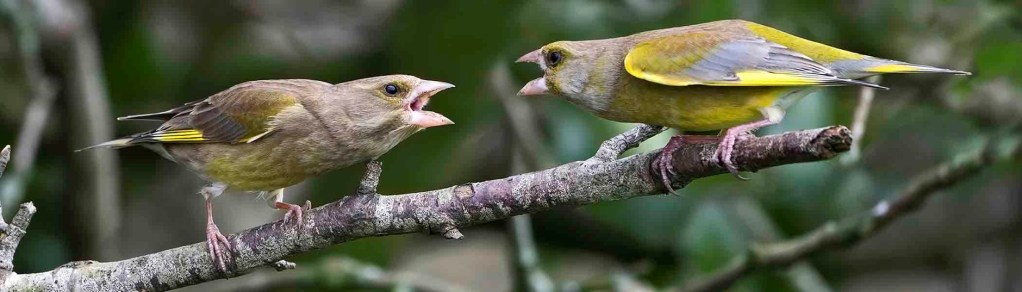
Greenfinch (B)
Common on feeders, twelve on November 1 was the highest count.


Leave a Reply