

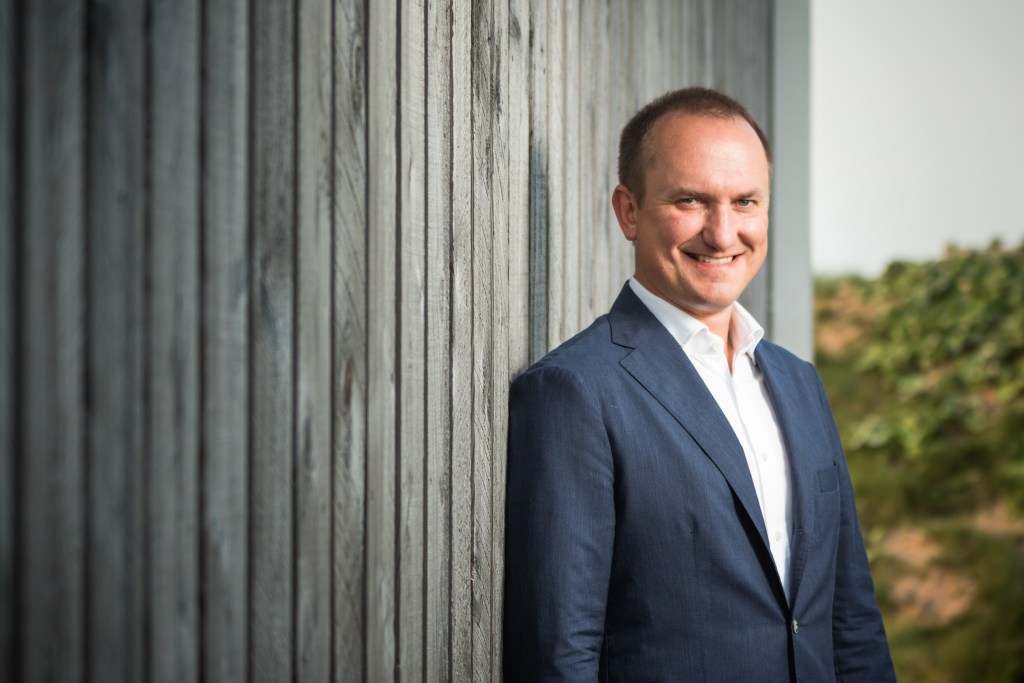
The co-founder and chief executive officer of The Cabot Collection, a luxury golf course developer, sat down with Alistair Dunsmuir to discuss the company and its recent expansion into Europe, some challenges faced while building a global brand, and what lies ahead.
Can you tell us a bit about The Cabot Collection?
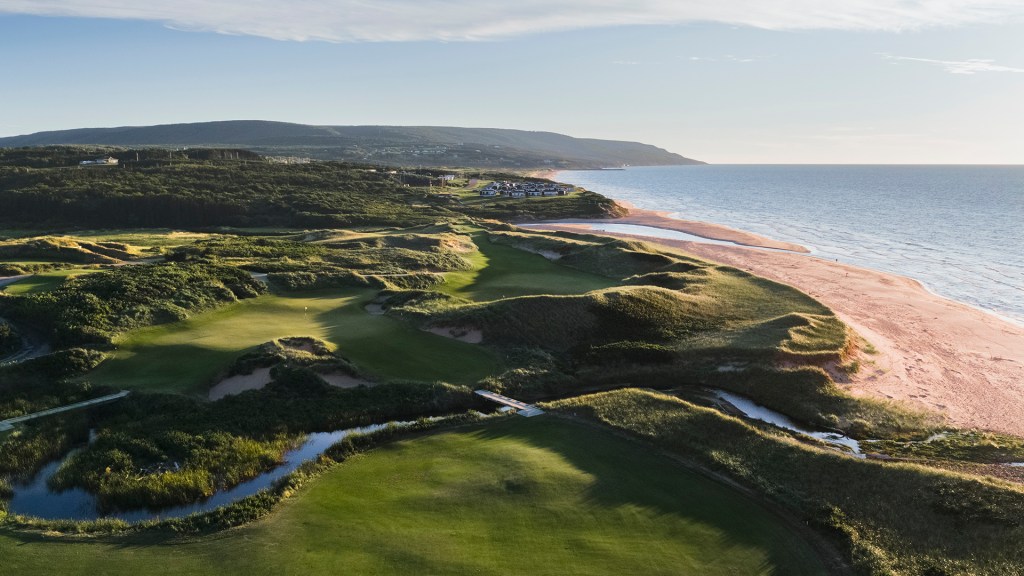
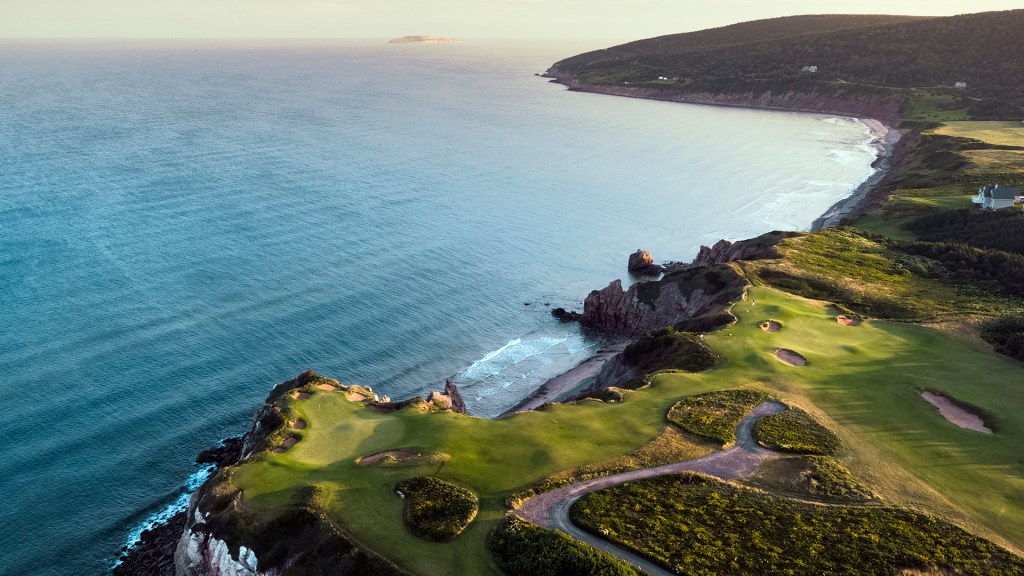
It has been 20 years since I first visited Cape Breton Island in Nova Scotia, Canada to build Cabot Links. My dream was to build a really great golf course. I lived in Toronto and had an inkling that the land in Cape Breton, with the mile of ocean frontage, could yield one of the great golf courses in Canada. Brick by brick on that foundation, I like to say it was an overnight success 20 years in the making! We built Cabot Links and then we took the decision to build Cabot Cliffs [also in Inverness, Canada] in the following years. Then eight years ago, we were looking throughout the Caribbean islands for an option that could provide a seasonal offset and came across the Point Hardy site in St Lucia.
Jack Nicklaus had routed a course on the property for a previously envisioned project that never came to fruition, but we had some great history with Bill Coore and Ben Crenshaw, who’d done the design work on Cabot Cliffs for us, so we opted to go with them again for the Cabot Saint Lucia build and the course opened a little over a year ago.
The 2008 financial crisis meant Cabot Links was one of the only courses being developed, so we stood out as being one of the only courses opening in 2012. We also had the benefit of being able to tell a story, by building through the crisis.
Back in the pandemic we went looking for some potential venues and decided to make three purchases. We bought World Woods (now Cabot Citrus Farms) and Castle Stuart (now Cabot Highlands), in addition to expanding in Canada with the acquisition at Revelstoke in British Columbia. It seems like a lot all at once, but it really acts as a brick-by-brick process over the last 20 years on top of a solid foundation.
Can you tell us a bit about your career trajectory prior to being its CEO?
When I was younger, I started a golf travel business, acting as a tour operator, so I was able to go around the world a couple of times! I was fortunate to play almost all of the ‘World Top 100’ golf courses at a relatively young age. That was really what gave me the inspiration to want to build something.
While I’d never worked at a golf course or a resort, I had seen so many of the world’s great courses, so I had the vision that we could build one of our own and build a business around that. The interest I had in architecture and having seen the best of the world’s golf courses, gave me the impetus to go ahead with Cabot Links. The common theme that we’ve really stuck to over 20 years has been to build truly great golf in remarkable locations.
At the beginning, I had the idea that we could build the Cabot brand and then continue to build with more places under that same umbrella. If we could deliver on the experience and create magical memories, then we could build a brand and a business around that.
What are the biggest challenges you’ve faced in growing the Cabot brand since its inception?
Building Cabot Links meant that I moved from Toronto to Nova Scotia in March 2008, and the financial crisis hit later that year. That provided an existential crisis at the very beginning, as we had just broken ground at Cape Breton. In 2009 we were one of just four golf courses under construction in the world, according to Golf Digest.
It’s hard to comprehend how much of a depression was caused. For decades, there had been hundreds of golf courses being built, and suddenly it just stopped. That was the biggest challenge after trying to assemble the land and acquire the permit in Cape Breton.

Later, at the beginning of Covid-19, we thought that would be an even bigger challenge. Golf turned out to be one of the benefactors of the pandemic, but this wasn’t clear at the beginning. With Castle Stuart and World Woods, part of what led us to a transaction was the acute shock that came with the unknown, caused by the pandemic. World Woods had been the initial dream of Yukihisa Inoue, a Japanese businessman who was 90 at the time of our purchase. Many people had tried to buy it over the years but, I think again, timing was part of a combination of things that led to his trust in us – ultimately the desire that we had to be the steward of his asset which he had owned from inception and developed over 35 years.
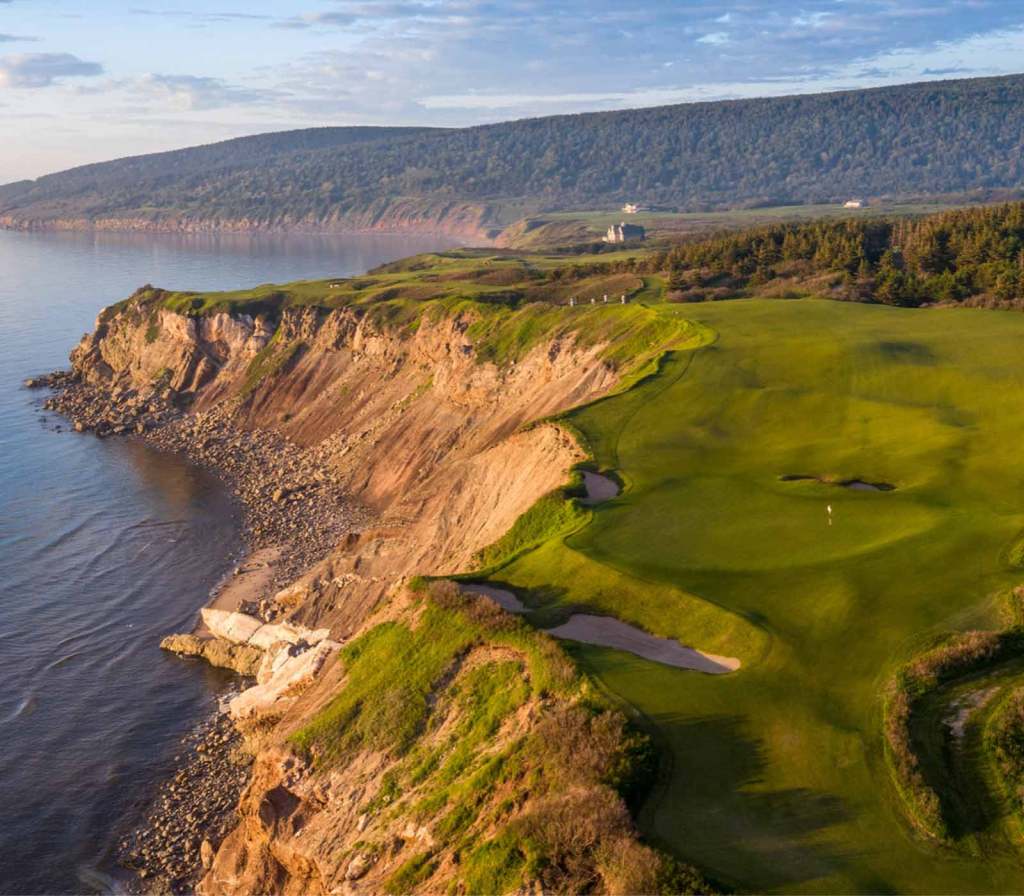
The financial crisis meant we were one of the only courses being developed, so we stood out as being one of the only courses opening in 2012. We also had the benefit of being able to tell a story, by building through the crisis. With Cabot Saint Lucia, we had started building when the pandemic hit, and with no planes to the island, the team of Bill Coore and Ben Crenshaw stayed on site and again, built through the crisis. This meant we opened in December 2023, in line with the pent-up demand for travel. We took on board everything we learned during these challenging moments, allowing us to keep a level head and go back to our playbook when we face future challenges.

Cabot recently acquired its first French golf venue. What were the driving reasons behind this, and do you have plans for more acquisitions in Europe?
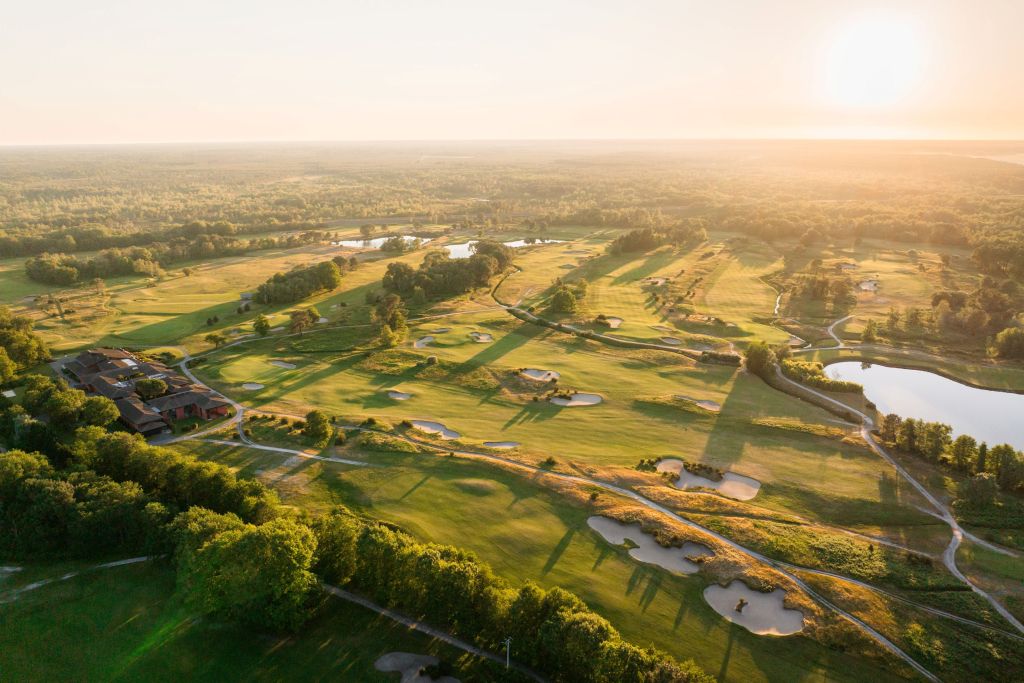
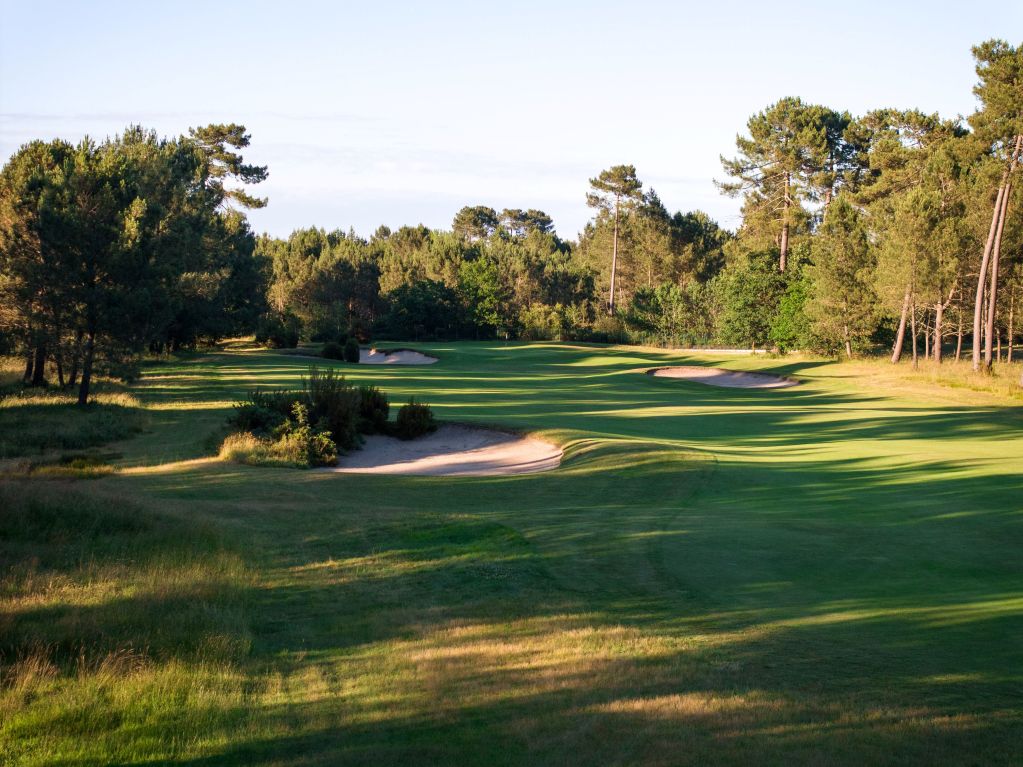
The Bordeaux site was developed 35 years ago, it is the only place in the world where Rod Whitman and Bill Coore worked side-by-side, other than Cabot Links and Cabot Cliffs. We love Bordeaux, as well as Rod and Bill, there are very few operating properties we could look at purchasing with great existing golf architecture.
Courses are often lined with real estate or homes, so it becomes tough to reimagine the site. Golf du Medoc has a large hotel, with two great courses and a great practice facility. We want to do everything we can to present the site as well as we can, elevate the golf experience, and we will be off to the races!

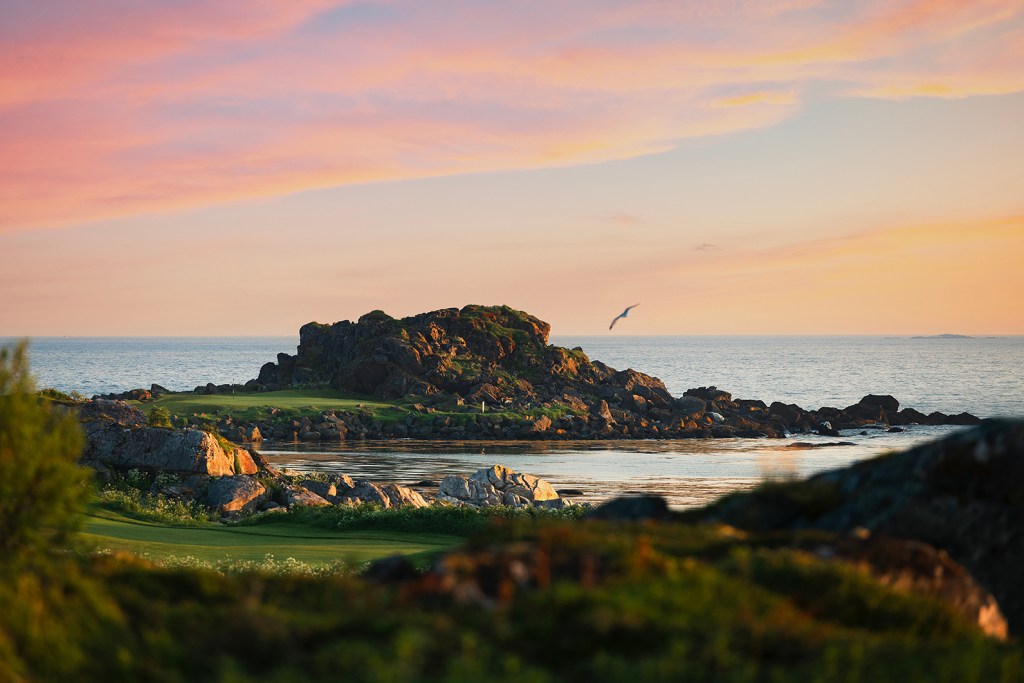
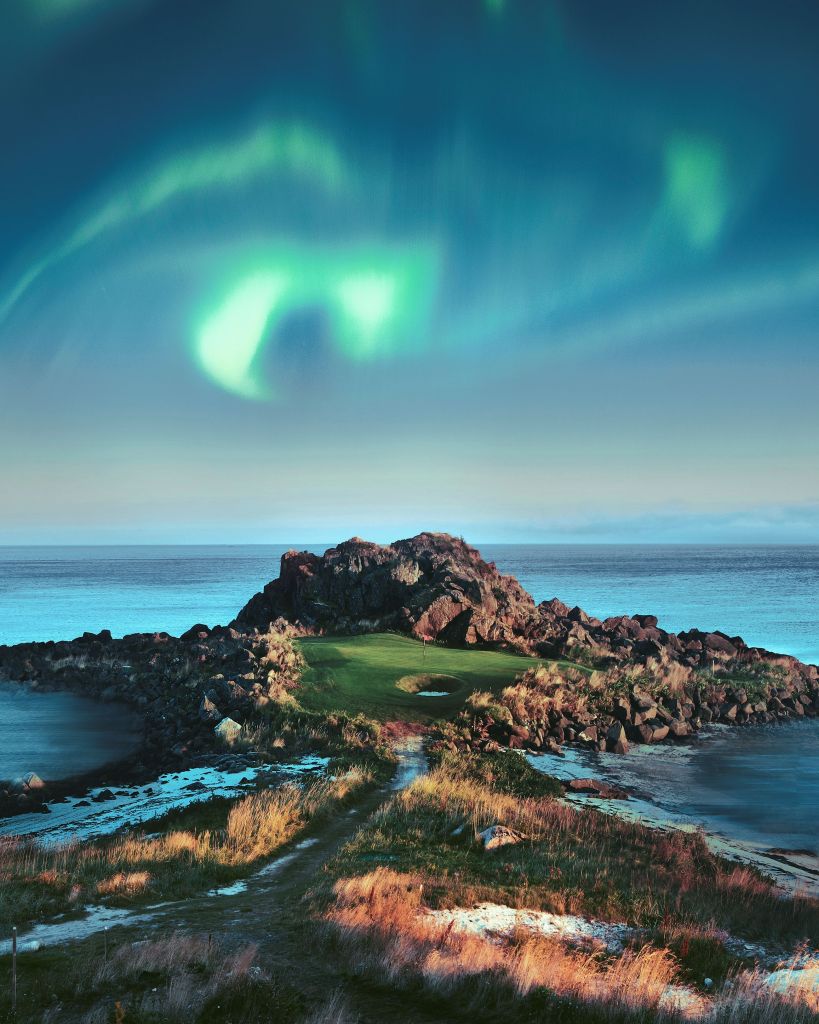
Our investment into Lofoten in Norway is another exciting project. I first visited in 2019 and we tried to buy it early in 2020 but Covid put an end to those conversations. I thought it was the most spectacular golf course I had ever seen, and one of the most beautiful places in the world, so I knew it was a great fit for us.

Existing versus greenfield development is the trade-off we face, and greenfield development is tough, and getting tougher everywhere, particularly in Europe. We probably spend more time looking at existing sites than building from scratch, but we will get dozens of opportunities a year in Europe. We’ve found a few to say yes to, and we’re hoping to find a few more.
Cabot acquired Castle Stuart in Scotland in 2022, rebranded it as Cabot Highlands, and announced plans for a second 18-hole championship layout. How are those plans progressing?
We seeded the final hole at Old Petty at the end of 2024, so the second course at Cabot Highlands is now complete. We built this course with Tom Doak and his crew in the last 18 months. The original course at Castle Stuart with Gil Hanse and Mark Parsinen is exceptional – I have been a fan of it for a long time.
I think about how long it took me to assemble the land permits at Cape Breton, and within 36 months of buying Castle Stuart, we will open Old Petty for preview play this summer. We’re able to shorten those time horizons a little bit.
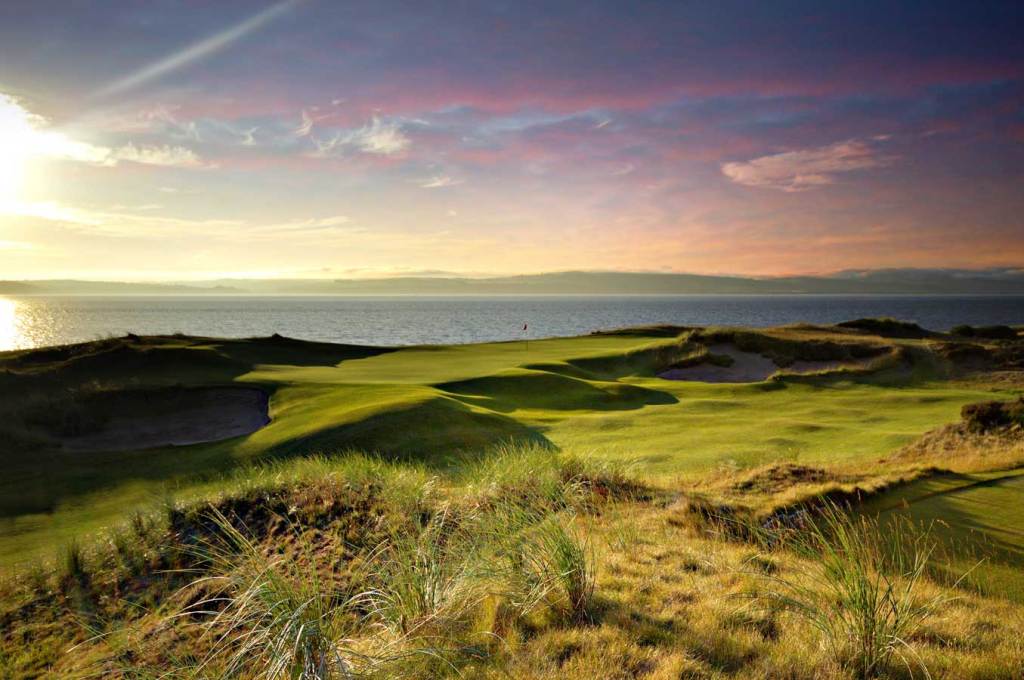
What Tom Doak has done there has been extraordinary, it gives us two wonderful golf courses less than five minutes from Inverness airport, with Dornoch relatively close by. We’re super excited to open the doors for preview play in summer 2025. I was just there recently, and it looks absolutely spectacular. It’s a terrific complement to the first course which I adore. We’re also getting ready to launch the sale of cottages there and have had some great early interest. The Scottish Highlands is one of my favourite places in the world, so it’s a joy to watch the development there.

Given that Cabot owns prestigious venues around the world, why does it only own two in Canada, and how is the Canadian golf industry performing at the moment?
We have two sites in Canada and one in the USA. The reason for that is America has ten times the market size. Cape Breton Island in Nova Scotia presented one of the most beautiful parts of the country and so we could build two of, if not the two, best golf courses in the country. To try and find a location complementary to that is tough, particularly on the coastline, so the other option brought us into the mountains.

Revelstoke is really the best ski mountain in terms of physical beauty, and being home to the highest vertical drop in North America and incredible conditions. For us to build a golf course the site has to be spectacular. We’ve looked at lots more, but the litmus test is whether the site can be made into an amazing venue that creates amazing experiences, rather than a goal to have a certain number of sites in the country.
How would you summarise the state of the global golf industry at the moment and what are your hopes for the future?
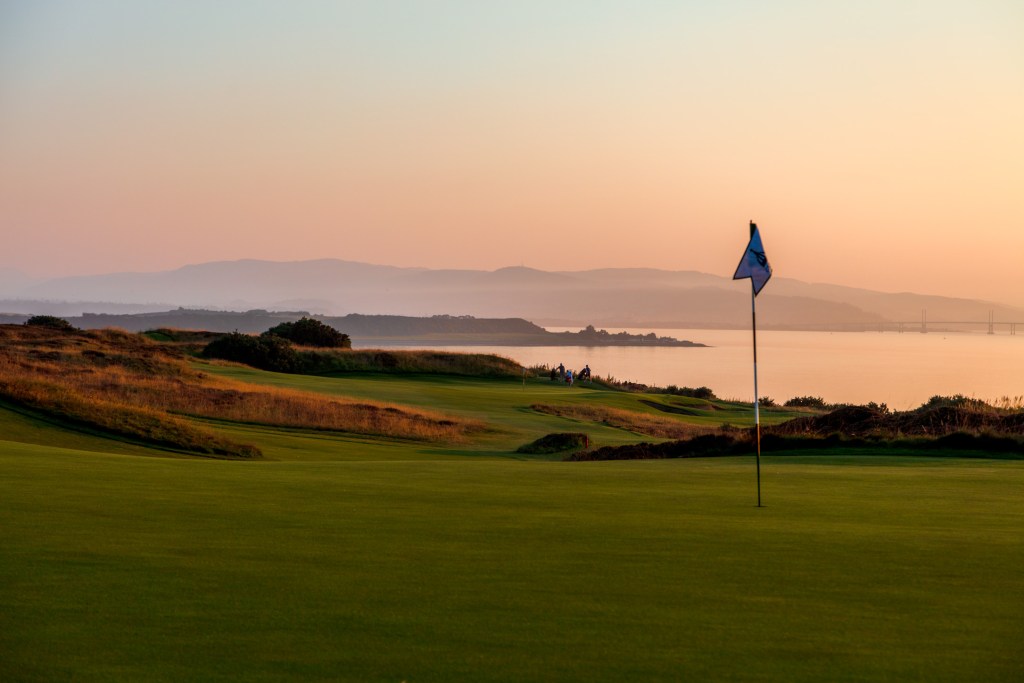
We’ve seen terrific growth coming off the back of Covid. The global luxury destination business has been strong for two decades now, if you can deliver amazing experiences then that business is more likely to stand the test of time. Looking at Pebble Beach being over 100 years old, The Old Course at St Andrews built over five centuries ago, our focus is less around where we float in the sea of global golf, and more around building something extraordinary that will last hundreds of years. If we do that, it acts as a solid business plan and continues to serve us well after 20 years.


Leave a Reply