

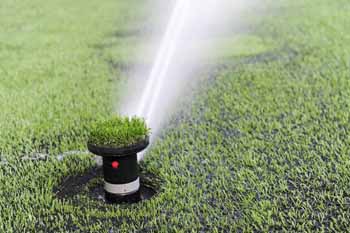
The manager of one Essex golf club has appealed to England Golf to urgently enter into negotiations with water companies ahead of forthcoming restrictions on water usage, amid fears that this could devastate golf courses throughout parts of the UK. He has also called for guidance on what clubs are allowed to do and how they can survive a dry spring and summer. Meanwhile, a second Essex club manager has stated he has experienced aggression from people angry about golf clubs’ consumption of water.
On April 5, seven water companies in southern and eastern England are bringing in bans on the use of hosepipes and sprinklers until further notice, due to the lack of rainfall in recent months.
David Bowles, secretary at Theydon Bois Golf Club, has said that he is unclear as to how this will apply to golf clubs, although his head greenkeeper has heard that he will be ‘banned from watering the course and filling up storage tanks’. He added that his water company, Veolia Water, has not contacted the club to detail what the restrictions will involve. Greenkeepers at other clubs in the last two weeks have also complained about a lack of clarity and information from water companies regarding how the hosepipe bans will affect them.
“With a dry spring and / or summer, not watering the course could result in serious damage being caused to the greens,” he said.
A spokeswoman for Veolia Water said that clubs can only irrigate their grass from systems connected to a meter from April 5. She added that water drawn from the mains supply into tanks other than hand-held receptacles for subsequent use for watering the course will not be permitted.
“Watering areas of grass used for sport or recreation using a hosepipe [or sprinkler] are covered by the ban,” she said. “This includes all golf courses. It applies to both publicly and privately owned facilities; both can be large users of water but some may have private water supplies. Golf courses can still be watered using other sources of water.
“Established turf older than 28 days old does not require watering.”
In an email to the Essex Golf Union, Mr Bowles asked: “Could either the Essex Golf Union or England Golf assist in talking to the water boards to see if we can get some form of exemption, even if it simply reduced the amount of water being used? Are you aware of any actions being taken by other clubs to overcome this ban?”
Neil Sjoberg, the manager of Epping Golf Course in Essex, recently attended a Sustainable Water Industry Group meeting, which looked at what golf clubs can do to survive the drought.
“More than one person has approached me with some aggression towards golf courses,” he said.
“Greenkeepers should be required to monitor their water use. There is no excuse for golf courses not moving towards using stored rainwater and mulching to avoid pouring chlorinated water on our courses.
“We all need to build green roofs and green walls to slow the flow of rainwater into drains thus increasing evaporation and stabilising our microclimate.”
He added that golf clubs should work together to provide best practice examples of efficient water usage to challenge negative perceptions of golf courses being huge consumers of water.


Leave a Reply to County Turf (@countyturf) Cancel reply