

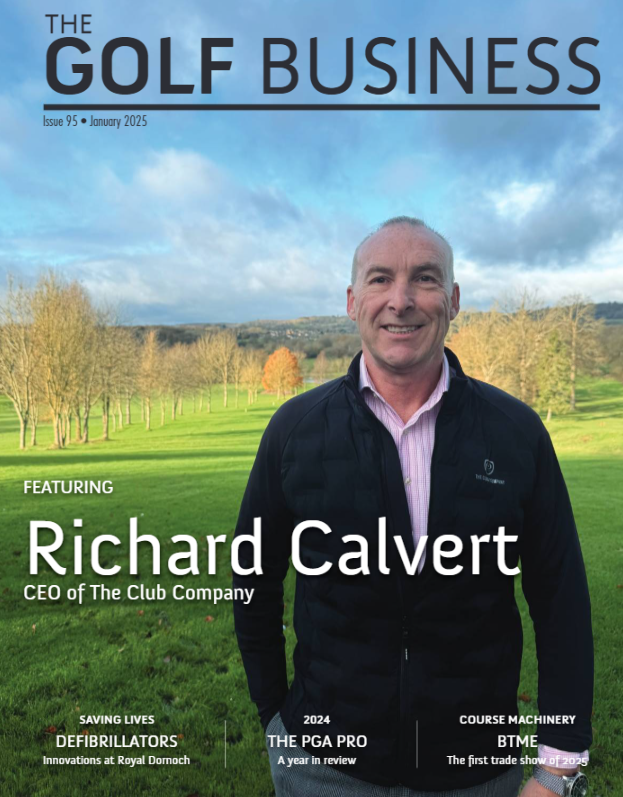
The CEO of The Club Company, who’s the head of 17 country club general managers across 27 golf courses, explains why his company bought two new golf clubs last year, if there are plans for more acquisitions and the success the company has had in converting nine of its driving ranges into ‘entertainment centres’.
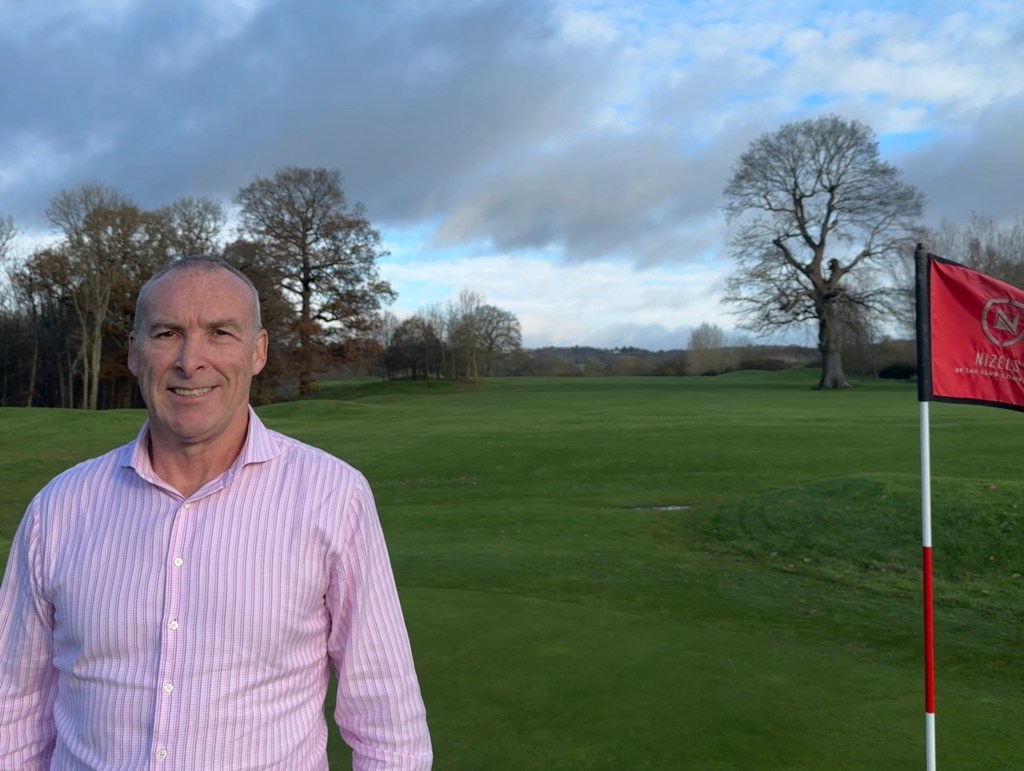
Can you tell us a bit about The Club Company?
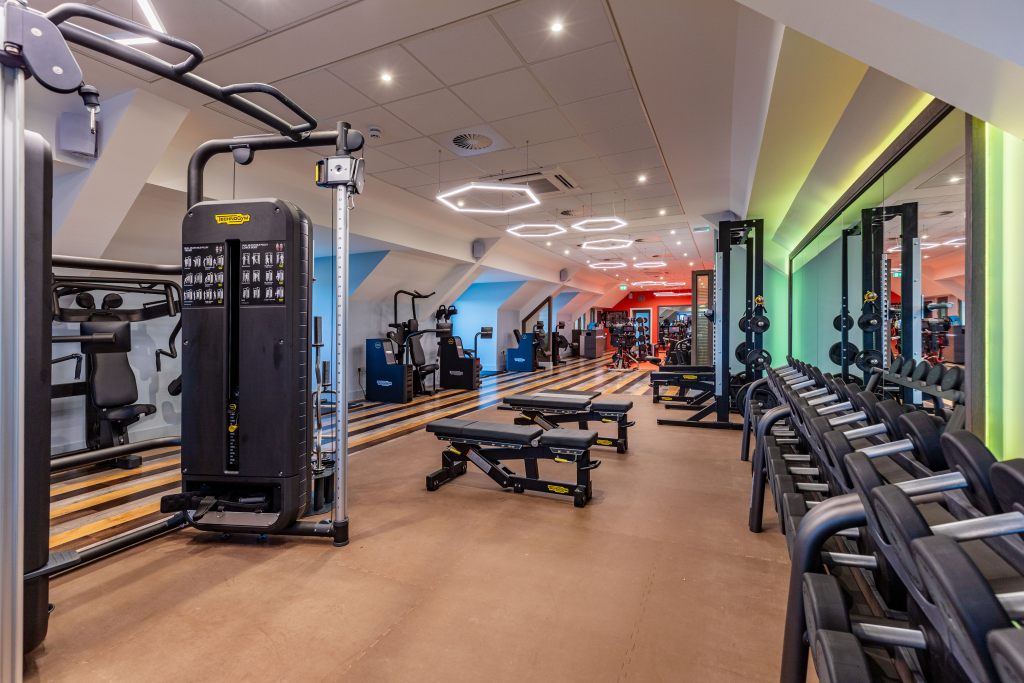
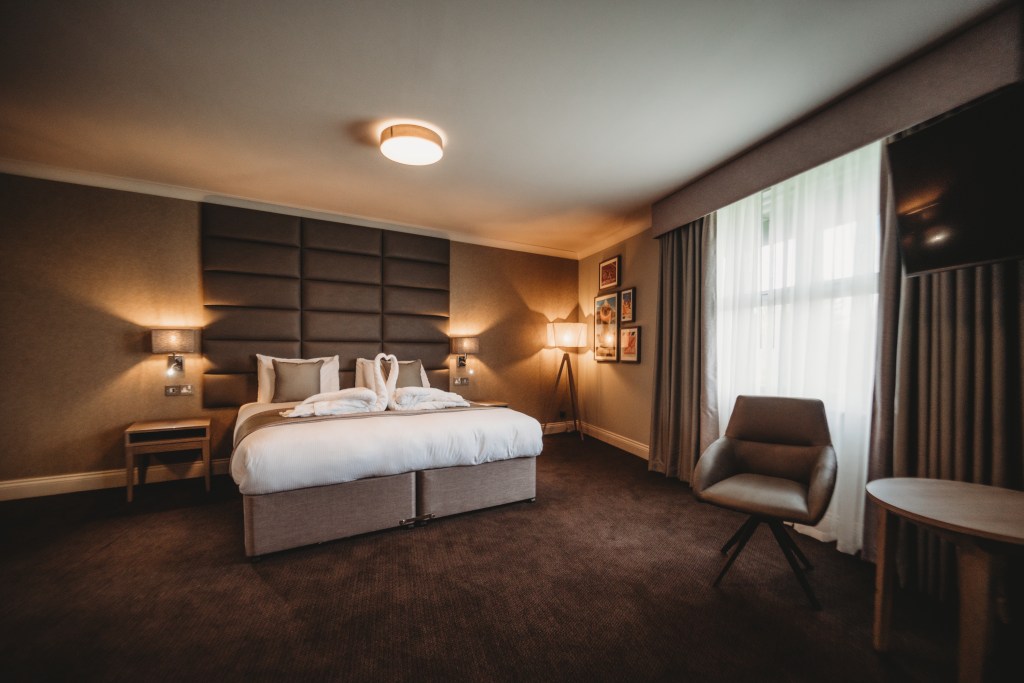
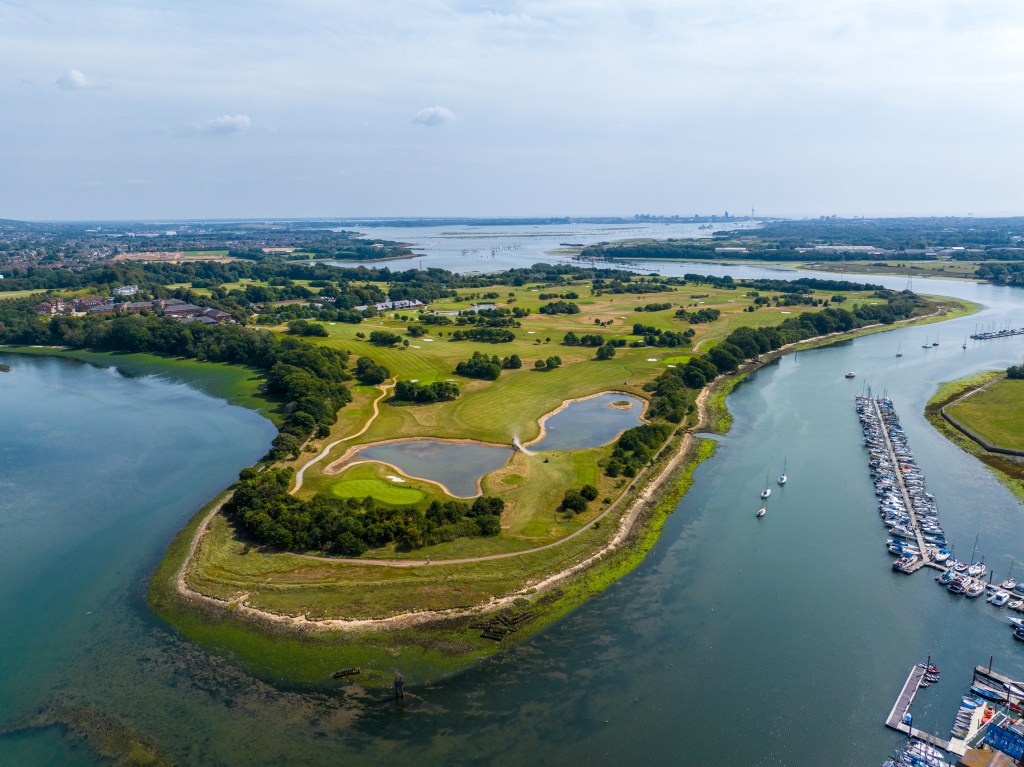
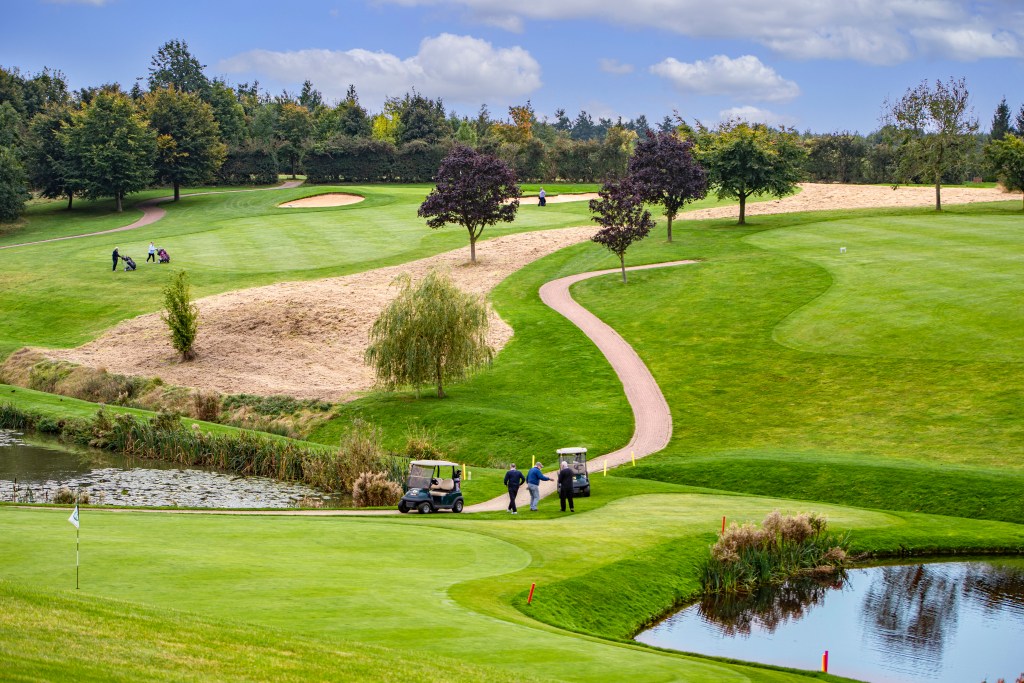
Well, I’m proud to say that we are the UK’s leading country club owner and operator with 17 beautiful clubs spread across suburban England. My fantastic team of over 1,400 colleagues look after our nearly 50,000 members, as well as welcoming thousands of visitors across our portfolio. In total we have over 3,200 acres, which house 27 golf courses, multiple driving ranges, gyms, pools, spas, restaurants, cafes, hotels, creches, conference venues and much more! We are very much a multi-faceted offer and see our country clubs appealing to customers who can use our clubs for a wide variety of reasons.
What does your role as CEO entail and how much involvement do you have with the individual venues?
I’m privileged to lead The Club Company and don’t take this responsibility lightly. My team of 17 general managers are very competent indeed and are duly supported by my central support team in areas such as finance, marketing, people, procurement, IT and membership. We don’t have a traditional ‘head office’, as it is important the team are out in the clubs – we’re here to support our team and members alike.

My role is to drive the strategy, as well as the overall day-to-day performance of the group. I believe in achieving a balance of ‘synergy and sovereignty’ between the clubs and centrally. Each club has its own local identity, complemented with the scale and consistency of the group.

What has been your career path to CEO?
I’ve worked in the travel and leisure industry for just about my whole adult life. I went on a skiing holiday when I was 19 to Andorra and didn’t come back to the UK for 15 years!

I started at the ‘coal face’ as an overseas rep and ski guide. To cut a very long story short, I worked my way up in the travel industry working for companies like Owners Abroad, Sunset, Airtours and First Choice. I spent 10 years living in Madrid and moved back to the UK in 2002, to become head of purchasing for First Choice, then became purchasing director for First Choice/Tui. I moved to Thomas Cook as managing director of UK Tour Operations in 2008 and then took up the role of president of DestinationWeddings.com in the US in 2012. I was in the States for over four years and when my son was born in 2016 came back to the UK as CEO of Specialist Leisure Group (owner of brands such as Shearings and Bay Hotels). This sadly became a victim of Covid and was put into administration – the toughest moment of my career.
I joined The Club Company in December 2020, just before the third lockdown (immaculate timing!) and spent the first year in recovery mode, building the business back up and then accelerated its growth bringing us where we are today.
The Club Company purchased two country clubs in 2024, why and will there be more acquisitions moving forward?
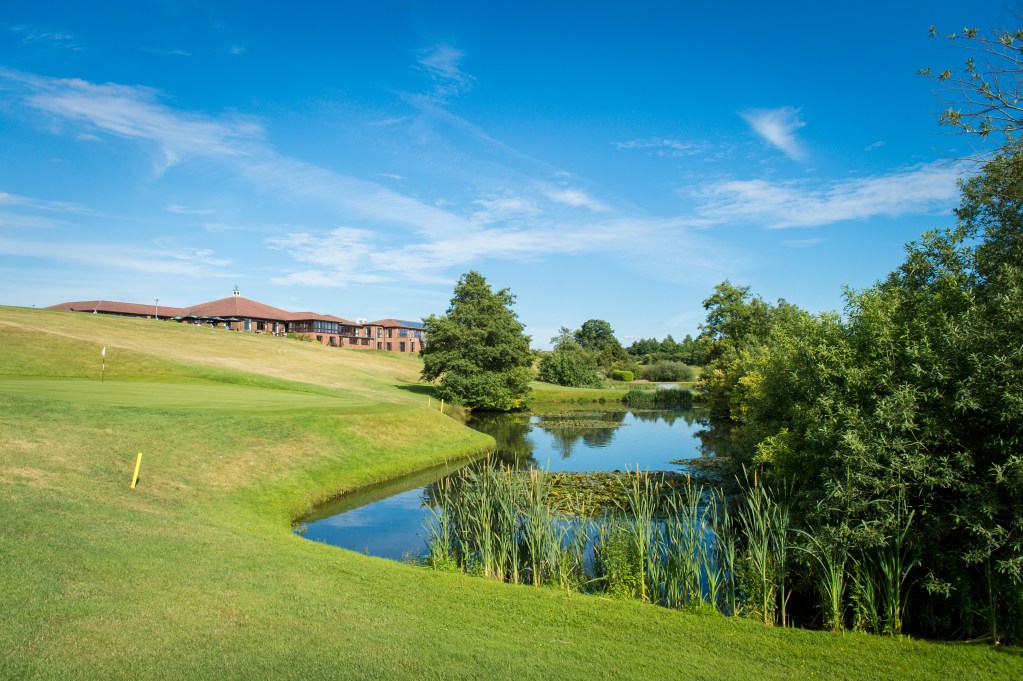
Yes, we were really excited to buy two great clubs in 2024, High Legh Park in Cheshire and Greetham Valley in Rutland. We really believe that with our country club model and ‘playbook’, we can expand across the UK. The balance of golf and health offer customers such great value and allows us to have a year-round balanced operation. This balance of footfall, income and efficiency allows us to layer on facilities and services that are not only sustainable, but offer us clear differentiation and competitive advantage. Our plan is to accelerate growth with more clubs, so watch this space!
[This interview was conducted before The Club Company acquired The Nottinghamshire].
You converted several driving ranges into ‘entertainment centres’ recently, can you tell us about that?
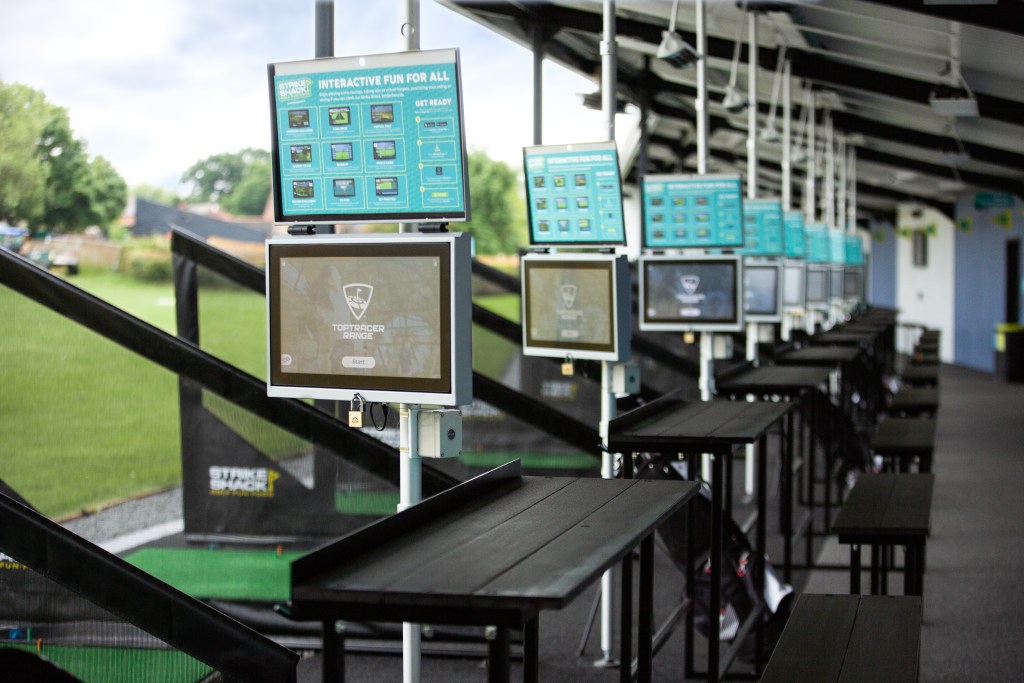
This has been a great success. Effectively our driving ranges were three-sided buildings or ‘shacks’ that offered a very one-dimensional practice experience for our members and visitors. By installing Toptracer range technology, food and beverage options, targeted outfields and a general refurbishment, we created our own brand – Strike Shack. This has totally transformed the user experience, where players of all abilities can tailor their golf experience to their own needs. Crucially, this attracts new players into golf, as well as offering precision for established players. A winning formula for sure and with our nine Strike Shack ranges, I believe we are the UK’s largest operator of driving ranges, with hopefully more to come in the near future.
How has the financial state of The Club Company venues changed since the participation boom started in 2020?
Stating the obvious, Covid hit The Club Company really hard, as it did just about every business out there. The bounce back in golf, however, came really quickly once restrictions were lifted by the government. I have to publicly thank our investors and banks for supporting us during the pandemic and especially thank our loyal members for sticking with us. Post Covid, we worked really hard to effectively rebuild the business and crucially this was in tandem with us investing millions in our clubs across the UK.
This wide-ranging series of investments in everything from courses, to ranges, to food and beverage outlets, to gyms, pools and general infrastructure has made us operationally and financially stronger with more members than ever.
Inflation in recent years has had a huge impact on the UK golf industry – how significant has it been for you?
Inflation has hit the sector hard in so many areas. I can’t think of many areas that haven’t gone up. We’ve had to cut our cloth accordingly, but with the conviction that we need to keep improving our facilities and standards for our members. Naturally we’ve had to pass on some of these increases, as we have a duty to protect our business for the long term. I feel that because we are a multi-faceted offer with golf, health, hotels and over ancillary revenue streams, we haven’t been so exposed as some.
Is The Club Company trying to attract more juniors, beginners and women to the game?
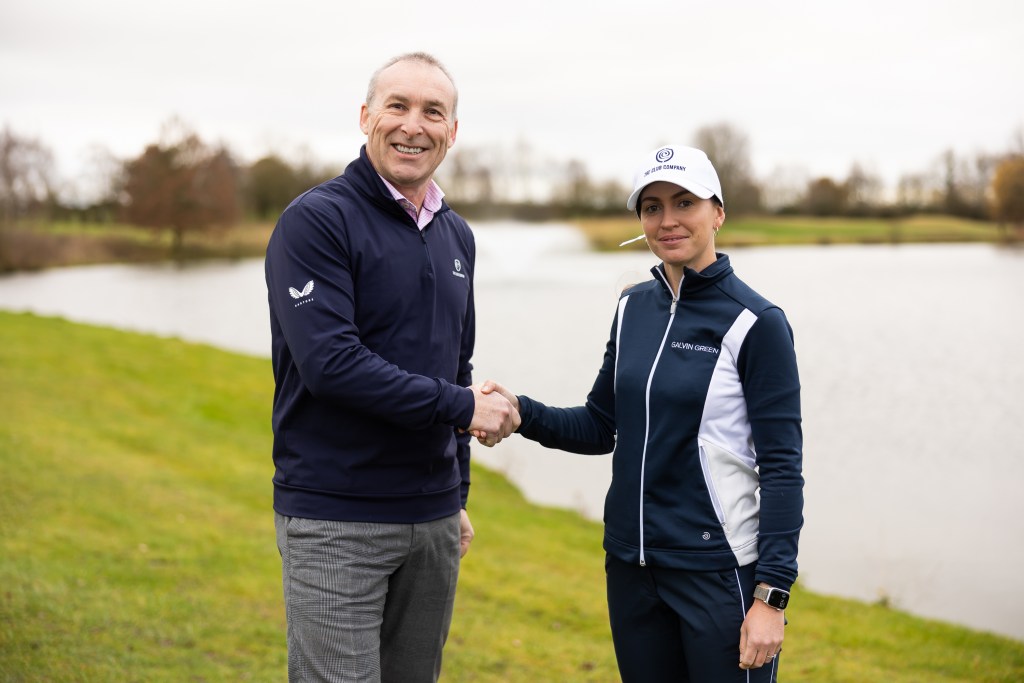
Absolutely! We have some really strong women’s and junior sections across our group. Golf needs more, however, to both survive and thrive. We have a whole host of initiatives. A few examples are: We’ve signed up to The R&A’s Women in Golf Charter, hosted many of the newly created ‘Faldo Junior Series’ events and sponsored Cara Gainer – one of the leading players in the UK to help us attract and inspire women golfers.
We’ve also introduced a membership category for our Strike Shack users, to be able to combine their range experience with the ability to play on our par three courses, without feeling pressured to hit that perfect shot every time. I strongly believe that the golf industry needs to do more to attract more players and evolve, just like sports such as cricket have done so successfully.
How does The Club Company market its venues?
As we are a multi-faceted group of country clubs, we market in many different ways. Fundamentally, our most valuable marketing channel is referral, as peer-to-peer recommendation is the strongest referral one can have. We obviously use traditional methods such as mailers, yet see more and more members joining via online channels, including social media. We are constantly testing and learning different channels such as radio and emerging social media platforms. The key is not being one-dimensional in marketing.
What is your prediction for the golf industry over the next few years?
I think golf has a bright future, especially if we blend that beautiful traditionalism of golf, with the emergence of new trends and users. The way driving ranges have attracted more players can only be positive for the sport. Cricket was a sport in decline and whilst the introduction of T20 and The Hundred might not be to everyone’s taste, they have effectively saved the sport. I’m not saying that golf needs to go the same route, but golf can have too many barriers to entry. An example being, there are more notices up in golf clubs of what you can’t do, rather than having a simple ‘Welcome’ sign above the clubhouse door. My prediction is that golf has a bright future, if the industry embraces new user groups, promotes emerging groups (women and junior) and respects the environmental responsibility that we all have as land custodians.


Leave a Reply