

Cabot Citrus Farms in Florida, which opened last year, marks a shift in resort design, moving beyond the traditional 18-hole formula. By offering flexible short-form courses alongside championship layouts, the group, which also runs golf courses in Scotland and France, is widening its appeal and increasing on-site engagement.
During a recent visit to Cabot Citrus Farms in Brooksville, Florida, it quickly becomes clear the project is not simply another resort opening – it illustrates an operating philosophy.
For much of its history, golf resort development has followed a familiar formula: one or two championship courses, a clubhouse, accommodation and a daily rhythm centred almost entirely around the 18-hole round. Cabot’s destinations, however, have long leaned toward experience-led design, and at Citrus Farms the concept evolves further. Here, golf is presented not as a single activity but as a broader ecosystem – one that extends appeal beyond traditional destination golfers.
Within the context of Cabot’s international portfolio, the Florida property offers useful insight into how elements of this philosophy translate across different markets.
Set across a large site on Florida’s Nature Coast, Cabot Citrus Farms was comprehensively reimagined from its former guise into a multi-format golf destination offering four distinct courses and extensive practice facilities.
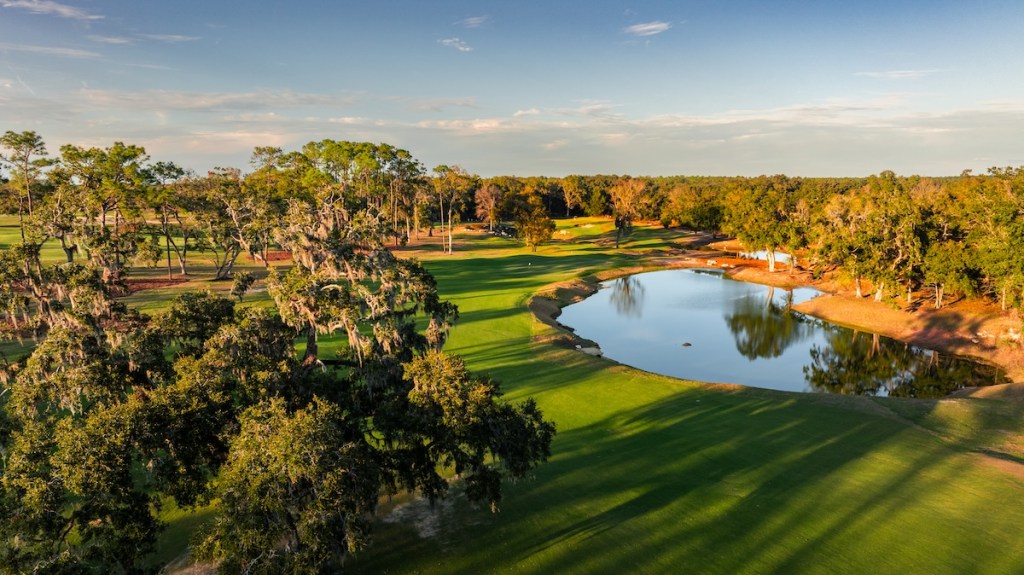
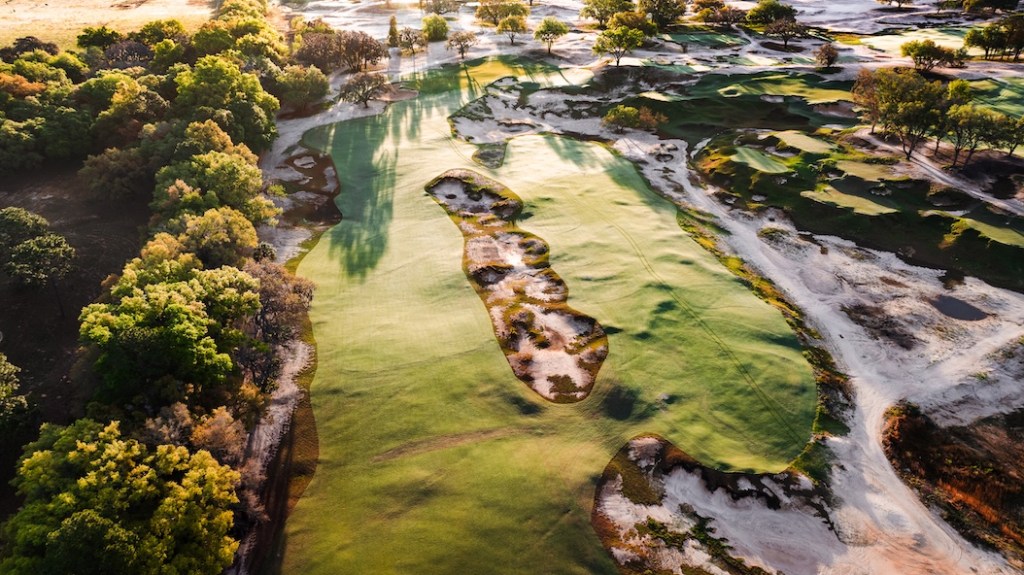
The Karoo course, designed by Kyle Franz, provides width, strategic optionality and multiple routes to pins, encouraging decision-making rather than prescribed play. Nearby, The Roost, created through a collaboration between Kyle Franz, Mike Nuzzo, Rod Whitman and Ran Morrissett, offers a contrasting experience routed through live oaks and varied terrain.
Complementing the two 18-hole layouts are a 10-hole short course (The Squeeze), an 11-hole par-three course (The Wedge), facilitating playing times and formats that suit any golfer. Groups split and reconvene, while late-day arrivals can still enjoy a true taste of what Cabot Citrus Farms has to offer.
Short-format and flexible golf allow mixed-ability groups to remain together, can create more opportunities to play during a stay, and helps less traditional golfers participate comfortably. The property appears designed around time spent on site, giving guests the opportunity to soak in everything that the resort has to offer.

Importantly, this does not replace the 18-hole golf offering; it sits alongside it.
Lower-handicap players still find strategic depth, while beginners can participate without committing to a full round. Families and groups with different expectations can share the same trip without compromise. From an operational perspective, this potentially widens the viable customer base beyond the traditional travelling foursome.
For operators familiar with Cabot’s international presence, including Cabot Highlands in Scotland and Cabot Bordeaux in France, Citrus Farms provides a clear view of the philosophy connecting these destinations. While each property reflects its own landscape and architectural character, the emphasis on variety, flexibility and shared experiences is increasingly consistent across the portfolio.
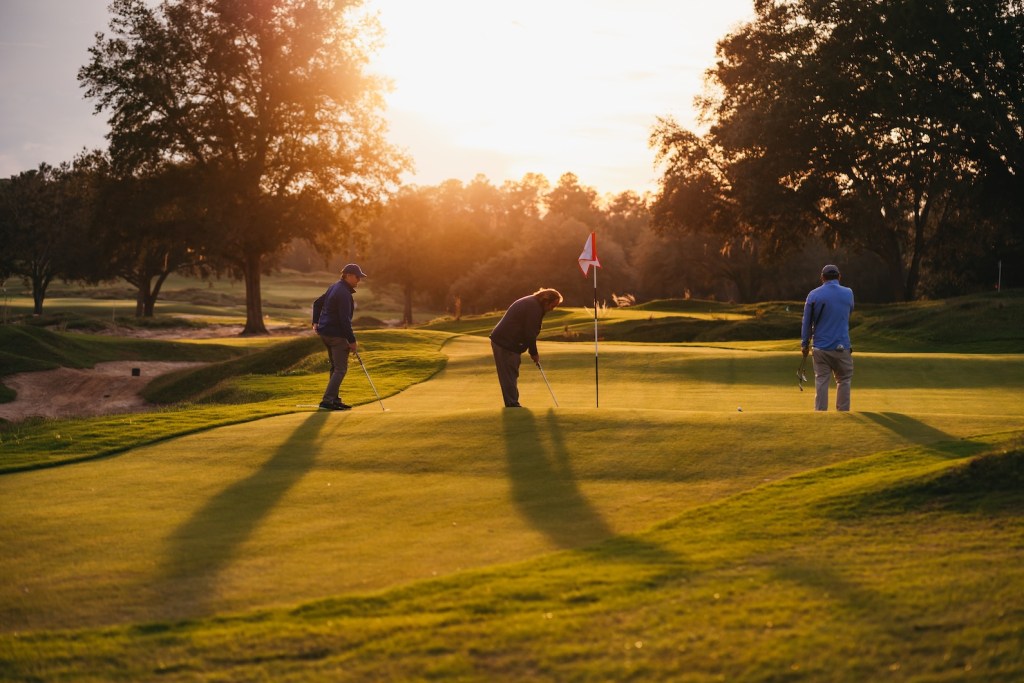
Rather than exporting a single course style, Cabot’s model centres on participation: different formats of golf co-existing to support a broader travel group and longer on-site engagement.
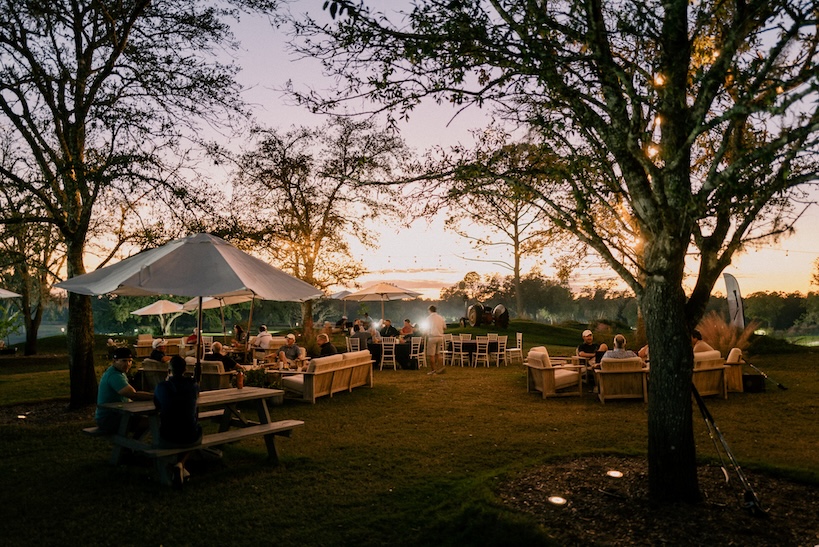
Accommodation, dining and off-course activities reinforce the same thinking. Experiences beyond golf are integrated into the rhythm of the day rather than positioned as secondary amenities, reflecting a broader destination rather than a single-activity resort.
Golf destination travel continues to evolve. Participation demographics are broadening, trip structures are shortening, and social expectations are changing. Resorts built purely around championship golf increasingly compete with multi-activity leisure destinations.
Cabot Citrus Farms offers one response: a scalable resort framework where golf drives visitation but variety supports retention. Viewed in that context, the Florida property is less a standalone project and more an illustration of Cabot’s wider approach as a true pioneer of golf destination design.


Leave a Reply