

What are the main differences between golf clubs’ food and beverage offerings in the USA versus the UK? Industry consultant Steven Brown FBIItp concludes there are some things the Americans do differently that British clubs could potentially benefit from.
While lecturing on a recent course, which was attended by some delegates from the USA, my view that there are fundamental differences between our food and beverage operations was reinforced, and I wondered if we could learn something new from them, and they from us.
The food and beverage operations within golf clubs in the USA and the UK reflect distinctly different approaches, preferences, leisure cultures and operational practices.
While both countries aim to enhance the overall golfing experience through quality food and beverage offerings, there are key differences in the structure, menu choices, service style and trends within golf clubs even region by region.
Operational structures and trading models
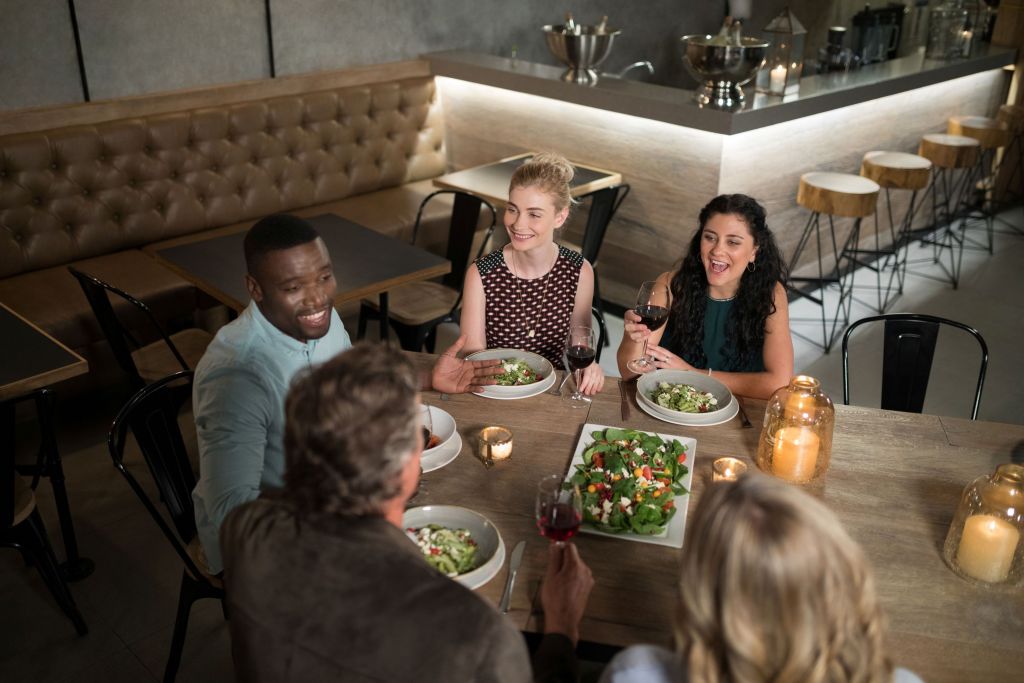
In the United States, golf club food and beverage operations are generally more focussed on providing a wide variety of dining options.
Many American golf clubs, especially those in private or resort and country club settings, may feature multiple dining areas such as a casual bar and grill, a fine-dining room, and sometimes additional lounges or snack bars next to the course. American golf clubs frequently provide a food service to enhance the golf experience, with on-course options like mobile carts, halfway houses and kiosks strategically located around the course for easy access.
In the UK, golf club dining facilities tend to be more modest in their offerings.
While larger clubs, particularly in urban areas, may offer several dining options, the majority of UK clubs operate a single dining area and bar.
Many UK golf clubs prioritise the clubhouse as a social space where members can enjoy traditional meals and pre- and post-game drinks in a casual setting.
On-course services, such as mobile carts, are less common, though they are increasingly seen in high-end or resort-style clubs. There may also be the provision of a halfway house facility as a service to the members and visitors.
Menu and culinary preferences
American golf clubs often feature diverse menus catering to a wide range of dietary preferences, with an emphasis on offering variety to suit the expectations of members and guests alike.
Their menus frequently include the classic American grill items like burgers, BLT sandwiches, steaks, salads and seafood, and they often incorporate local or regional cuisine, such as southern fried barbecue chicken or New England seafood, depending on the club’s location.
Larger American clubs are also more likely to provide health-conscious, gluten-free and vegan options, reflecting broader options in line with trends in American culinary needs.
In contrast, UK golf clubs tend to offer more traditional, hearty fare, with dishes like fish and chips, steak pies, roast dinners and the ever present and much loved bacon bap.
British clubs often focus on comfort food, reflecting the communal nature of UK club dining, however, UK clubs are increasingly expanding their menus to include more international and health-conscious dishes, particularly in city clubs or higher-end operations.
While American clubs may focus on trend-driven dining, UK clubs often provide simple, consistent offerings with a focus on quality ingredients.
Dining culture and member expectations
In the US, the golf club dining culture favours convenience, speed and flexibility, often driven by the expectation of quick, on-course food options.
American members may well expect to grab a quick bite between holes or to order food to go, especially during tournaments. They cater to a wide variety of member needs, from business lunches to family-friendly meals, resulting in high expectations for diverse, accessible dining options.
American clubs are very often seen as the centre of their local communities and are there to provide a meeting place for families on two or more occasions every week.
UK golf club members typically embrace a more leisurely dining experience, with clubhouse dining a smaller part of the social fabric of the club in comparison to their US counterparts.
British club members often view the dining space as a place to socialise and relax after a game, and they will expect more sit-down meals than to-go options although, due to the incidence of Covid and the restrictions on dining that ensued, UK clubs are expanding their offers, and certainly a take-out coffee and snack service is becoming a feature in more and more clubs.
Many British clubs will promote member engagement through social dining events, club matches, themed dinners or traditional Sunday roasts, generating a close-knit community atmosphere within the club.
Beverage programmes and alcohol service
American golf clubs tend to have a wide selection of beverages, especially beer, wine and cocktails. They are more likely to offer signature cocktails and a seasonal drink menus, often tailored to specific regions (such as bourbon-based drinks in the south or margaritas in the south-west).
Beverage carts are also offering golfers access to liquid refreshments whilst on the course.
In the UK, the clubhouse bar is a significant focal point for post-round gatherings, with beer and lager being more popular than spirits or cocktails.
The UK’s rich pub culture heavily influences the range of options in golf clubs, with an emphasis on both cask and keg draft beers, lagers and minerals. Mobile beverage carts are less common however, with members more likely to gather in the clubhouse for drinks after the round rather than during play.
Event and banqueting services
Hosting of events offers a substantial revenue opportunity for golf clubs in both countries, with many clubs offering wedding packages, corporate events and private party options.
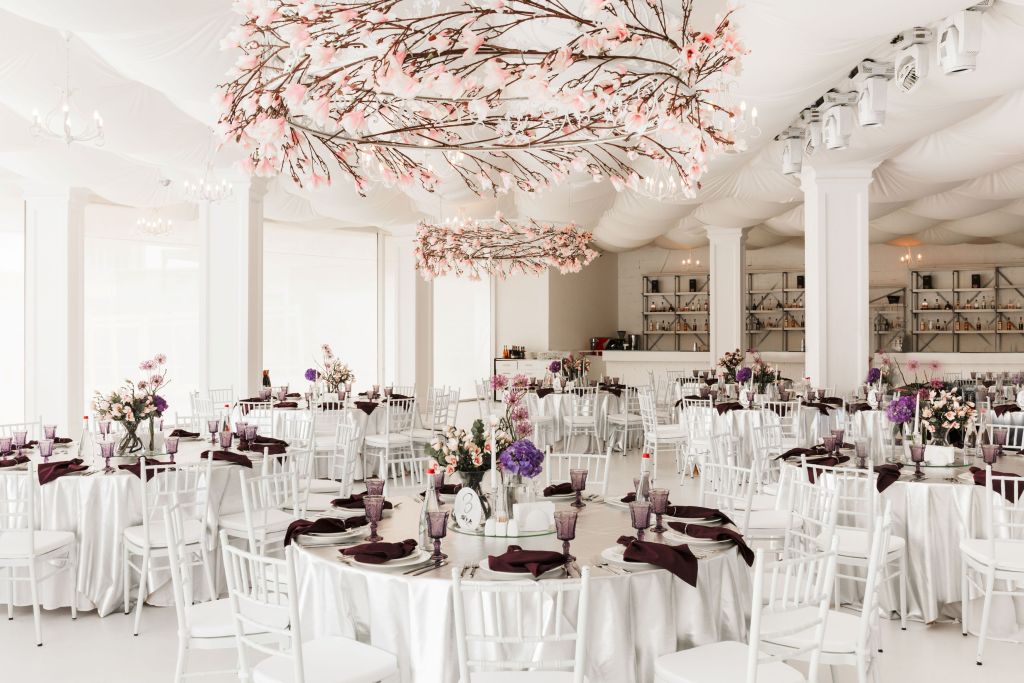
However, American golf clubs, especially larger or resort-based clubs, often have dedicated banqueting rooms or event spaces, with specialised event menus and staff trained specifically for banqueting services.
UK golf clubs also benefit from hosting events, though the scale and type may vary.
Many UK clubs cater primarily to golf-related events, such as charity tournaments, members’ competitions and seasonal gatherings.
While some larger clubs in the UK offer full banqueting services and wedding facilities, with separate car parks, entrances and toilet facilities for visitors, the typical UK golf club is more likely to host smaller, golf orientated events using the clubhouse as their event venue when not being used by the members, particularly during the winter evenings.

Clubs in the UK may well have limited staff and facilities compared to their American counterparts and, as a result, they tend to focus on club-specific events designed to strengthen member engagement and community ties.
Trends in health and sustainability
Both US and UK golf clubs are increasingly promoting health-conscious and sustainable practices into their food and beverage operations.
American clubs have largely embraced dietary trends such as plant-based and low-calorie options, often showcasing these alongside locally sourced ingredients. Sustainability efforts in the US include reducing single-use plastics and sourcing ingredients from local farms and businesses to help minimise the impact on the environment.
UK golf clubs are similarly embracing sustainability, with many clubs focusing on locally sourced ingredients, reducing waste, recycling oils and even incorporating organic or fair-trade products into their menus.
Many UK clubs are also making changes to come into line with national sustainability initiatives, such as reducing plastic usage and improving energy efficiency within kitchen operations.
However, the emphasis on traditional, hearty British meals remains strong, and this has guided the pace of health-conscious menu development in many UK clubs.
Golf club structures
In the UK there are essentially two different trading models, namely members’ clubs and proprietary clubs, being those owned by individuals or by organisations.
In the members’ club environment, there are two styles of operation concerning the management of their food and beverage units.
Clubs will either retain the service in-house or outsource it to an external supplier, or as they are referred to in the UK, franchisees.
Their decision on which option to choose, will be greatly influenced primarily by whether or not the business needs to be subsidised by the club as it is losing money, or their view that they do not have the necessary skills needed to control those units, and in which case, they will consider the outsourcing option.
In the USA there is a much greater focus on the customer experience and less focus on whether or not the food and beverage service is a stand-alone profit centre as it is in the UK.
In the USA they tend to generate the funds they need to support the food and beverage service from the introduction fees that can, in the case of a certain Florida club, be as high as $125,000 dollars and with annual dues of some $25,000, so no wonder they are more relaxed about bearing the cost of the drink and catering service.
Here in the UK we can only dream of such financial support.
UK clubs may well have to support their food and beverage services with a subsidy, thus diverting resources from the income they generate, meaning that they have less money to spend on the course, possibly leading to a demand for the members to pay higher annual dues which they will naturally resist at all costs.
The latest data I have, gathered from the many clients that I advise on my consultancy visits, is that a typical golf club catering operation will lose some £10k annually whilst their bars’ operation will generate approximately a £2k contribution.
Does this sound like your club?
If it does, what do you need to do to reverse that trend? Do you need to look at different options? Is the American model worthy of consideration for you?
Conclusions
The food and beverage operations within US and UK golf clubs highlight distinctly different approaches based on member expectations, cultural norms and operational structures.
American golf clubs, recognised for their diversity in dining options and fast on-course service, often cater to convenience and variety, while UK clubs prioritise a more clubhouse based, sit-down dining experience, centred around traditional British fare.
Both countries share a focus on improving health and sustainability practices, with American clubs focusing on trendy, flexible options and UK clubs emphasising quality and locally sourced ingredients.
Despite their differences, both the US and UK are dedicated to enhancing the golfer’s experience by making food and beverage options a central part of the club environment.
The food and beverage operations in the UK golfing industry are going to be facing some enormous challenges in the coming years.
Too many clubs are losing money, particularly in their catering operations and possibly their beverage units too due to their inability to react appropriately to changing circumstances, possibly due to member resistance, to fully recover the rises they are facing in utility costs, wholesale price increases and staffing costs. Whereas American clubs take a more relaxed view of their food and beverage services having to make a positive contribution to the bottom line, as they generate their income from higher joining fees and annual dues, thus being able to subsidise their drink and catering units.
During my on-site visits, when I consult with clubs about the best way forward for them, I am constantly asked how they can maximise their food and beverage operations.

My response in every case is different, ranging from how to reconnect with the near 70 percent of their disenfranchised existing membership who rarely, if ever, use the clubhouse, to seeking new business opportunities such as developing little used areas of the club into a coffee shop for the non-golfing local community, whilst being aware of not transgressing the clubs constitution, the type of liquor licence they operate with and, of course, the members’ wishes, and I will readily admit that, having considered all options, I am attracted to the American concept of a community based business that draws not only golfers into the fold, but the members’ own family circle and their business associates in order to help them defray any losses that may be occurring.
Would such a move meet with your members’ support or lead to an outright revolt?
Now, I never ever lose sight of the fact that, in the UK, the primary focus is that we operate golf clubs and not community centres or restaurants, but I think the time is right to investigate how our golf operations can benefit from a successful food and beverage operation that provides funds to be spent on the course, and the American all-inclusive style of operation, is therefore worthy of consideration.
Is it time to think differently about the way in which our industry does its business regarding food and beverage? In my view yes, and I have no doubt, as I have already evidenced on my travels, that a number of my clients are indeed embracing the need for change, and whilst it may be a difficult sell into the membership, those adventurous clubs are beginning to reap the benefits of producing food and beverage operations that don’t lose money and support the club financially whilst enhancing the profile of their prestigious golf courses.
Will I see all of these changes happen in the next five or 10 years? Who can say, but I am ready for the discussion about the shape of things to come. Are you?
Steven Brown FBIItp is from food and beverage consultancy INN-FORMATION. Contact him on
07785 276320 or email herinn@aol.com


Leave a Reply