


Some golf clubs are introducing new membership categories due to both the increased demand to play golf and to reflect the socio-economic profile of these golfers.
Data by the Office for National Statistics shows that the number of people who work from home has grown by more than ten times in the past three months (from 1.7 million people to approximately 20 million people), causing a seismic shift in working habits and methods.
This is, in turn, changing who wants to play golf and at what times, states some golf clubs.
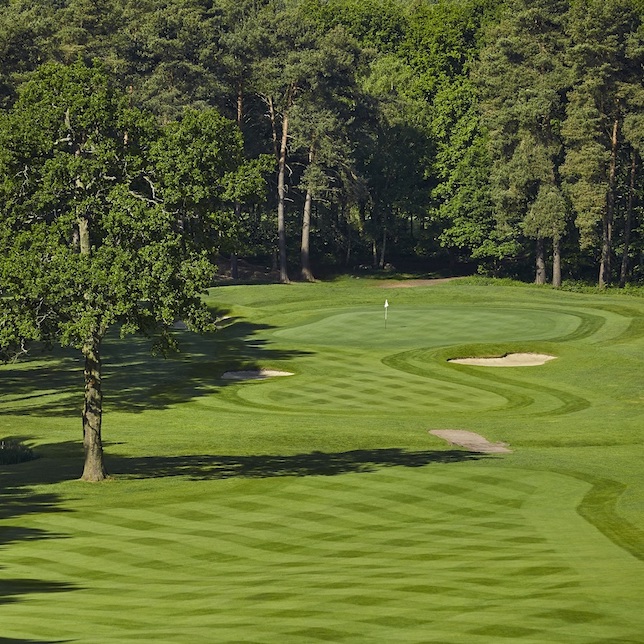
“Flexible working arrangements are set to become much more common after the coronavirus pandemic, particularly for those living in and around London, with workers looking for pleasant spaces to work, meet and entertain clients,” said a spokesman for the Foxhills Collection, which operates two golf clubs in south east England, and is now offering what it calls ‘a wide range of bespoke options’ of corporate membership packages that ‘removes the need for professionals to travel into central London’.
“Both Foxhills and Farleigh golf clubs are offering flexible corporate membership packages that are perfect for remote working for those looking to swap the boardroom for the golf course in a time where outdoor, socially distanced meetings are the safest alternative to online video calls,” he added.
In Scotland, Nairn Dunbar Golf Club has launched a new ‘Lifestyle’ category.
It is particularly aimed at the occasional and fair-weather golfer, or golfers wishing a second course membership, and provides many of the benefits of traditional golf club membership.

Lifestyle members can play at any time from 10am on weekdays and from 2pm at weekends during the summer months, and from 11am during weekdays and weekends in the winter period.
Kieran Maclean, club manager at Nairn Dunbar GC, said: “Lifestyle membership is an excellent alternative membership option that has been created for golfers who want a lot of the benefits of being a full member of the golf club, but whose busy lives mean that they are unable to play enough golf to justify a traditional full membership subscription.
“Those giving up traditional golf club membership tend to say that they simply don’t play often enough to justify the cost of membership, and this particularly applies to the 25 to 40 age group.
“The introduction of this membership will encourage the less frequent player to become a member of the club and, in addition, encourage a current member who may be considering giving up their membership to remain. We also believe it will be attractive to past members who considered the number of times they played did not justify a full membership.”
The club says over 20 members over the age of 30 have fully joined the club in recent weeks at £60.38 per month while this new category can be purchased for £470 per year for those aged 24 and above, with an annual cost of £315 for those aged 21 to 24.
This comes as the Yorkshire Union of Golf Clubs has reported that a large majority of its 183 clubs have seen a boom in members.
“Golf is flourishing after a period of time when the courses were closed and nobody could play,” said Jonathan Plaxton, secretary of the Yorkshire Union.
“Initially it looked like a large number of members would use the pandemic to decide whether they would continue as members, whether that be concerns over their jobs, their mortgages or whether they were older players just taking it as a chance to hang up their clubs.
“But what we’re seeing by being one of the first sports back is a large number of people from other sports, like cricketers, footballers and rugby players, taking up golf.
“And because golf clubs have generally been looking after their members by prioritising their play, these new players are taking up memberships to ensure they get a tee time.
“They have been taking advantage of the many offers that clubs have been running as well. At first we thought this influx of members would replace the amount we lost in the period of inactivity, but it’s looking now like we might turn that into a nett win.”
According to the Yorkshire Post, one club’s membership has risen from 170 people to 290 since mid May.
“The true picture will emerge at the end of the year after those clubs that have a financial year ending in April report their half-year uptake in October, and those that run for the calendar year report at the end of December,” continued Plaxton. “We are very pleased at the way it is going at the moment and long may that continue.
“The challenge now is to retain those members into next year.”


Leave a Reply to Monty50 Cancel reply