

March to May 2020 will probably go down as the most extraordinary period in golf’s history, but what state is the industry now in?
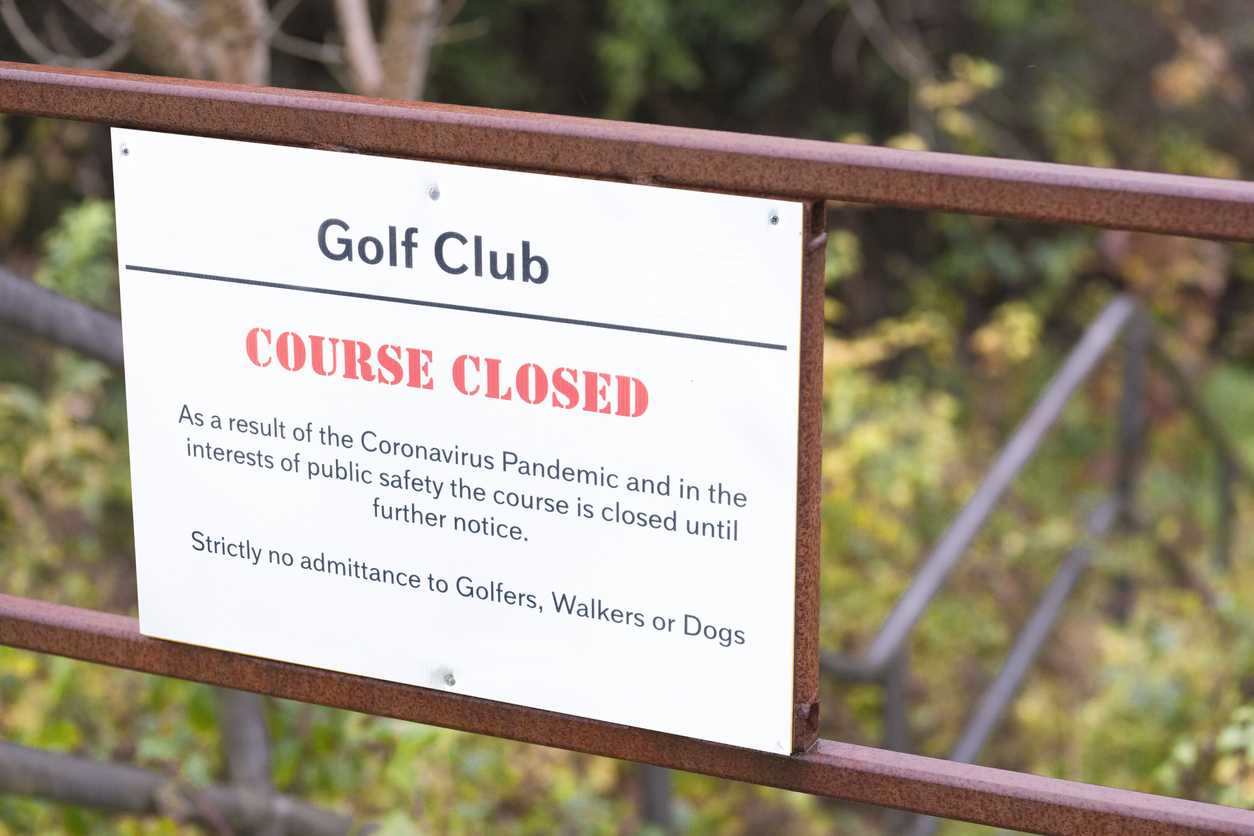
When all golf clubs in the UK had to close down due to coronavirus towards the end of March, following several years of declining participation in golf and membership falls that have seen scores of clubs close down, the future looked horrendous.
The lockdown could not have come at a worse time for the industry – it started just days before an estimated 40 percent of UK venues send out their annual renewal subscription forms to members, and also just before the start of the new playing season and when staff, mostly furloughed as many venues couldn’t afford to pay them due to the lost income, are especially needed to maintain courses due to extra daylight and warmer temperatures.
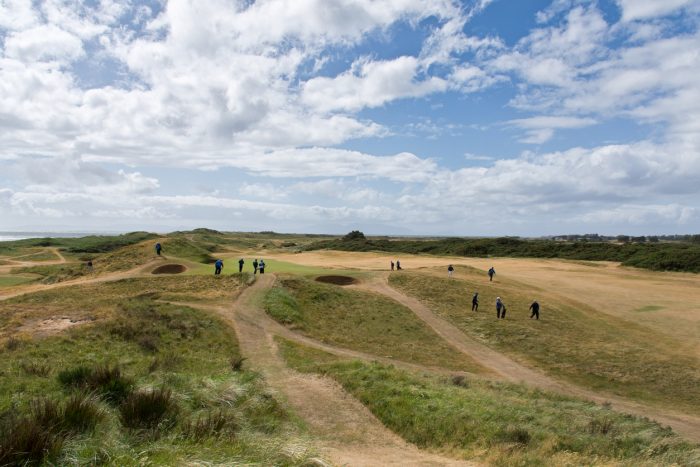
And then came the strange twist of fate: With most people off work and with little else allowed, golf courses were given the green light to reopen, leading to a surge in membership applications and unprecedented demand to play the game.
Some golf clubs have said the increase in members, plus their own management reviews during the lockdown, has meant that, even with clubhouses still at least partially closed, they are now in a financially healthier place than they were before the pandemic started.
However, the industry remains in a precarious position.
Some golf clubs, mostly in Ireland, were hit so hard by the lockdown that they didn’t reopen. It’s been estimated that clubs in Wales collectively lost £5.6 million due to the two months of inactivity. Venues in Scotland, particularly ones that rely on overseas visitors, fear that the damage caused may be irreparable. The R&A has launched a £7 million fund to help venues, while national golf unions have introduced schemes ranging from affiliation fee holidays to refunds.
It seems there isn’t a single lesson that the UK golf industry can learn from the pandemic except, maybe, that a golf club’s number one asset is its course(s).


Leave a Reply