

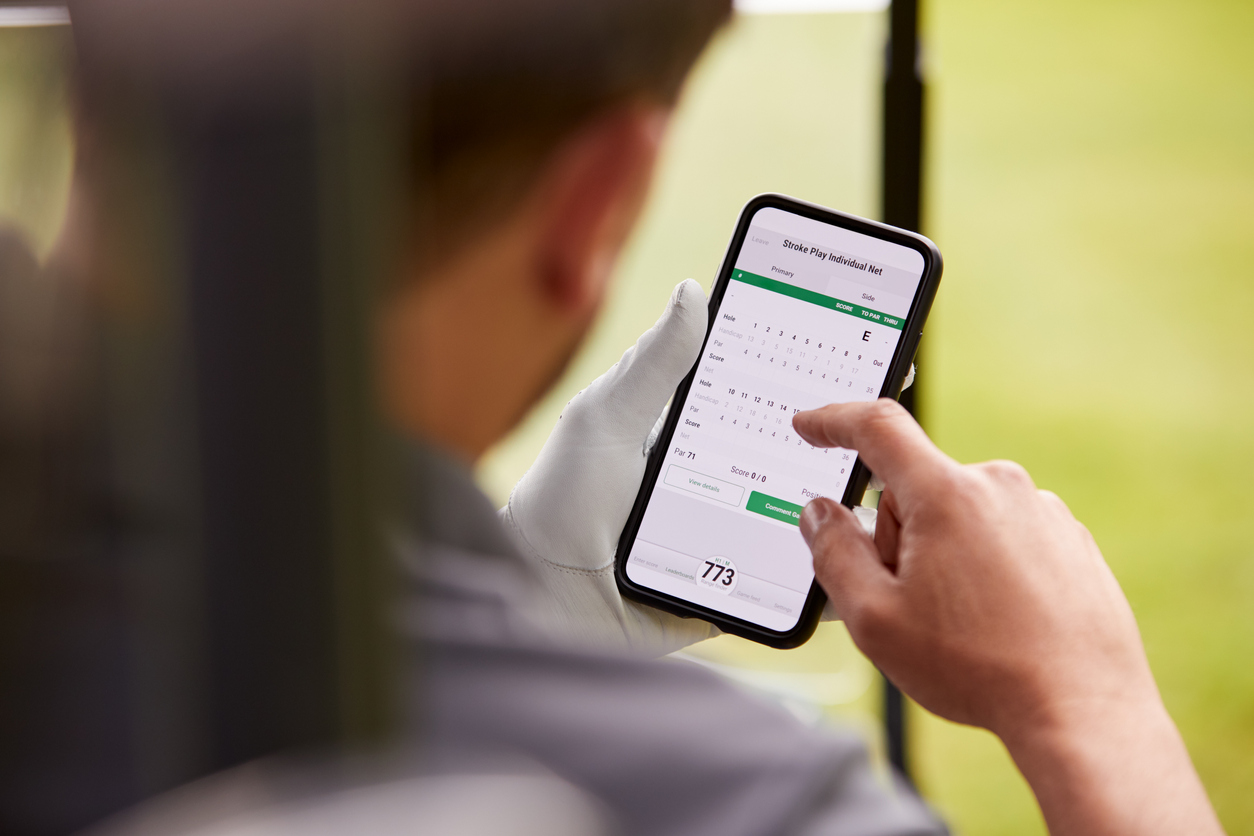
England Golf is calling on golf clubs to relax their dress codes and restrictions on mobile phones, offer alternatives to traditional membership options and make golf affordable to try in a bid to address the problems the industry has faced in the last decade.
English golf clubs have been badly hit by falling memberships since 2004, losing 169,000 members – more than 13 percent of the country’s membership. This crucial loss of income has been credited as the main reason why several golf clubs have closed down since the economic downturn started in 2007.
England Golf wants to stop the decline by 2017 and then reverse it so that English golf clubs have approximately 750,000 members by 2020, about the same amount they have now.
To bring that about the authority has interviewed 55 golf clubs, representing private members’, proprietary and pay-and-play, which have all increased memberships in the last two years, to see if there are any strategies that are broadly successful.
It found that many of the clubs have relaxed dress codes and allowed mobile phones to be used. In contrast, several struggling clubs have restrictions on the use of mobile phones in both the clubhouse and out on the course, and do not allow jeans or trainers to be worn at their venues.
There are ‘three key principles which our interviewees have applied that could easily be deployed across the country and could potentially reap rich rewards without profoundly changing the way the clubs operate,’ states the England Golf report Membership Recruitment and Retention, Key Themes For Implementation.
The three are friendliness, flexible membership packages and low-cost ways to get into golf.
‘A friendly, convivial environment, where it is easy to socialise and find people to have a round of golf with, was found to be hugely important in attracting new members. Some relaxing of the rules, for example concerning jeans, trainers and mobile phones, was common,’ said the report.
‘Flexible memberships recognise that one package no longer fits all and that the member who plays occasionally is still a member worth having. These schemes particularly target the younger golfer, aged up to 40.
’And the clubs sought ways to help people try golf without a big initial expense. These include ‘have a go’ days, involving existing members and offering an opportunity to enjoy the facilities, and trial memberships.’
The report added: ‘Many of the clubs also made use of outside help to promote their club, for example by achieving the GolfMark award for junior and beginner-friendly facilities, and by working with England Golf’s club services department and with their county golf partnership.
‘Most make their facilities available commercially, say for weddings or conferences, and many are seeking to build up a database of visitors’ details, often using electronic communication.’


Leave a Reply to Paul Warner Cancel reply