

Golf clubs occupy a rare space in modern society: they provide social value for people across all stages of life. Young adults benefit from consistent, offline interaction. Working‑age players find a dependable outlet where routines can stabilise their week. Older adults maintain connection, relevance and activity. Helping them achieve these outcomes will ensure they keep renewing, writes Dr John Fry, from University Centre Myerscough.
Golf clubs succeed not simply because of the quality of their course, but because of the strength of the community that surrounds them. The sport may be played across fairways and greens, but clubs are held together by relationships, routine and a shared sense of identity.
While this has always been part of golf’s underlying fabric, it is becoming even more important today as people experience greater isolation, weaker social ties and fewer face‑to‑face outlets. Clubs that recognise this are better placed to retain members, encourage repeat visits and create a pattern of consistent engagement that supports their businesses going forward.

Why belonging matters more than ever
Loneliness and social fragmentation are rising across ages. Young people, despite living in a world of constant digital connection, often describe feeling disconnected in real life. Older adults can feel marginalised once their routines shift or their social circles shrink. Those in the middle, juggling jobs, families and responsibilities, may find themselves without a reliable place to decompress, talk or simply ‘be’.
Golf clubs play a significant role here – not simply as community spaces, but as environments where both the club and its members benefit from building stronger, lasting connections. The science is clear – fostering a sense of social belonging and connection in golf environments increases participation and engagement, making people far more likely to keep returning.
When members identify with a club and feel part of its rhythm, their usage patterns become more regular and predictable. That predictability is what drives retention, spending and long‑term value for the club.
Routine as the foundation of repeat participation
A consistent, structured social calendar is essential for creating repeat consumers. When a club offers regular roll‑ups, predictable social evenings, relaxed competitions, family days and informal gatherings, members begin to build their week or month around those events. Routine becomes habit, and habit becomes retention.
This is where clubs often underestimate their own influence. A well‑organised calendar of social golf becomes not just an attraction but a behaviour‑shaping mechanism. Members return because they know what is happening, who will be there and what the atmosphere will feel like. This reliability is the real engine room of club engagement.
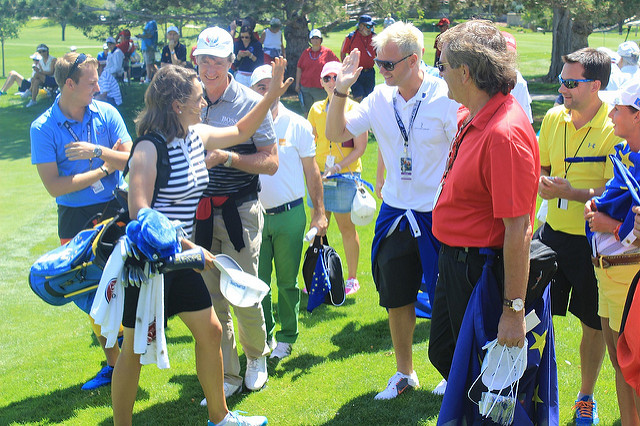
A lesson from football culture
Football clubs offer a useful comparison. Anybody who follows their beloved football team will be familiar with the ups and downs, and the anguish when the ‘product’ on the pitch is not good. But we keep going back, because of the greater sense of belonging to the cause.
Supporters often remain loyal regardless of performance because they identify deeply with the club and the people around them. The football itself might be inconsistent, but the sense of belonging rarely wavers.
Golf can operate in a similar way. Members who feel part of the club’s identity will continue coming back even when the course is not at its very best or when life gets busy. The reality is, it’s not the quality of the seventh green that creates repeat consumers: it is the quality of the relationships and the strength of the club’s cultural identity.
The clubhouse as a ‘social hub’
The clubhouse plays an undeniable role in shaping member identity. It is the place where friendships form, where newcomers find their footing and where members strengthen their emotional connection to the club. A warm, lively and inclusive clubhouse significantly enhances the likelihood that members will stay longer after a round, return sooner and attend more events.
This social gravity often matters more than playing conditions on the course itself. People may leave a club with excellent greens if they feel no connection to the broader environment. But they rarely walk away from a club where they feel a sense of belonging – an atmosphere that feels like home from home. In this sense, the clubhouse should not simply be viewed as a mere building, but rather the commercial heart of retention.
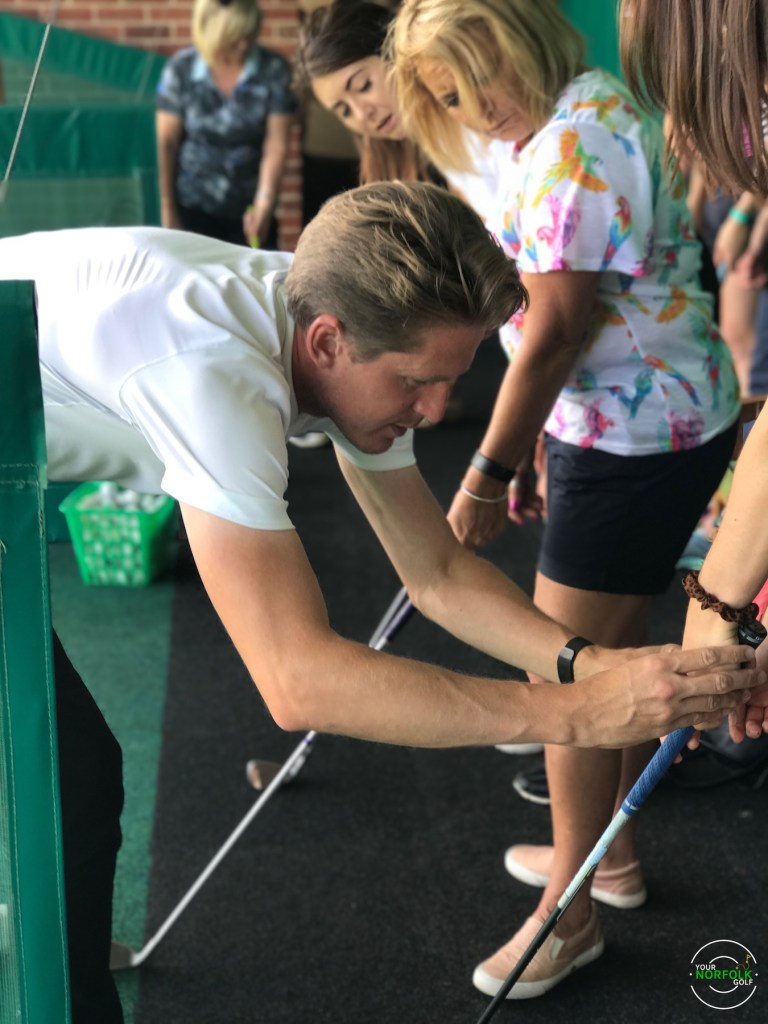
The social value of casual, enjoyable formats
Research investigating the social aspects of golf demonstrates that when people are free to shape their own playing experience, they naturally favour casual, friendly formats. Competitive pressure drops, instruction becomes less central and the emphasis shifts toward enjoyment and shared experience. These formats tend to speed up play and remove barriers that might otherwise discourage participation.
This is precisely why socially led programmes, such as Love.Golf, resonate so strongly with people taking up the game of golf. They prioritise confidence, togetherness and enjoyment rather than technical perfection.
What these programmes really demonstrate is that people keep coming back to places where they feel relaxed, welcomed and connected. Creating that atmosphere is central to what every golf club should aim to deliver.
Helping members build connections
Supporting new members during their early stages is one of the most effective strategies for long term retention. Research has shown that structured introduction schemes – where new members are connected with established players – significantly improves early engagement, reduces drop‑out and strengthens a sense of belonging. Newcomers who are guided into existing groups learn quickly how the club operates and begin forming routines before uncertainty or discomfort sets in.
Golf clubs often underestimate how socially intimidating the first few months can be. By making social integration deliberate rather than accidental, clubs create the conditions for frequent usage, repeat visits and long‑term loyalty.
A club for every stage of life
Golf clubs occupy a rare space in modern society: they provide social value for people across all stages of life. Young adults benefit from consistent, offline interaction. Working‑age players find a dependable outlet where routines can stabilise their week.
Older adults maintain connection, relevance and activity.
It is important that clubs not only acknowledge this cross‑generational mix, but provide an offer that supports it, ensuring all age groups feel represented and connected. Striking this balance can be challenging, yet it remains vital to long‑term success.
Indeed across all age groups, some same truth holds up: people value sports that allow them to spend meaningful, enjoyable time with family and friends, reinforcing the idea that clubs flourish when sociability takes precedence over formality.
Conclusion
Golf clubs are at their strongest when they create environments where people feel they belong and want to return. This has always been part of club life, but in an age of rising loneliness and weakened social structures, it has become even more important.
The commercial reality is clear: the more a club invests in social identity, routine and connection, the more consistently members will participate, attend and spend.
The course may bring people together, but it is the social fabric – the heartbeat of the club – that keeps them coming back.
Social connection – key points
• A consistent social routine creates the habits that keep people returning, turning occasional participation into reliable, repeat engagement.
• A warm and inviting clubhouse environment becomes part of the club’s emotional appeal, deepening attachment and strengthening long‑term retention.
• Relaxed, socially focused playing formats lower barriers to participation, helping members feel confident, comfortable, and eager to return.
• A strong sense of belonging shapes predictable patterns of attendance and spending, giving clubs a more stable and loyal membership base.
• Early social integration helps newcomers feel part of the community from the outset, laying the foundations for loyalty that lasts well beyond the first season.

For more information, contact Dr John Fry at jfry@myerscough.ac.uk or view University Centre Myerscough’s range of academic golf provision here: www.ucmyerscough.ac.uk



Leave a Reply