

TALGC is already making a name for itself
The Ancient Links Golf Company (TALGC) was only incorporated last June, formed with the mission to ‘protect and elevate golf’s most historic Scottish links,’ and it’s already making a significant impact.
At least three Scottish golf clubs have been ‘linked’ with TALGC. The 155-year-old Forfar Golf Club will be run by it, in a bid to secure its future, while it now holds a majority ownership and management role at Scotscraig Golf Club, which is more than 200 years old. There is also growing speculation that TALGC is behind a planned takeover of Montrose Golf Links, officially the fifth oldest golf course in the world.
While its focus is on the past, it’s clear that TALGC is also one to watch for the future.

The positive data from 2025 keeps coming in
According to recently-published data, golf is officially the number one participation sport for adults in Wales, with almost two percent of the population playing it in some form over a typical four-week period. This comes as golf club membership in Wales increased in 2025 – again – now to 56,501 people.

In England meanwhile, there are now more than three quarters of a million members of golf clubs for the first time in at least 13 years. New data reveals that club membership in England has grown by over 100,000 people since 2021. The rise in the five years since the pandemic has been both huge and consistent.

And in Scotland a new survey has found that green fee revenue at Scottish Highlands clubs doubled from 2018 to 2025 – suggesting the demand to play golf in the UK is strong among both local residents and international visitors.
Golf clubs are community assets
Golf is proving to be a hole-in-one for public health – and if there’s one thing golf clubs should shout about to their communities, it’s this.
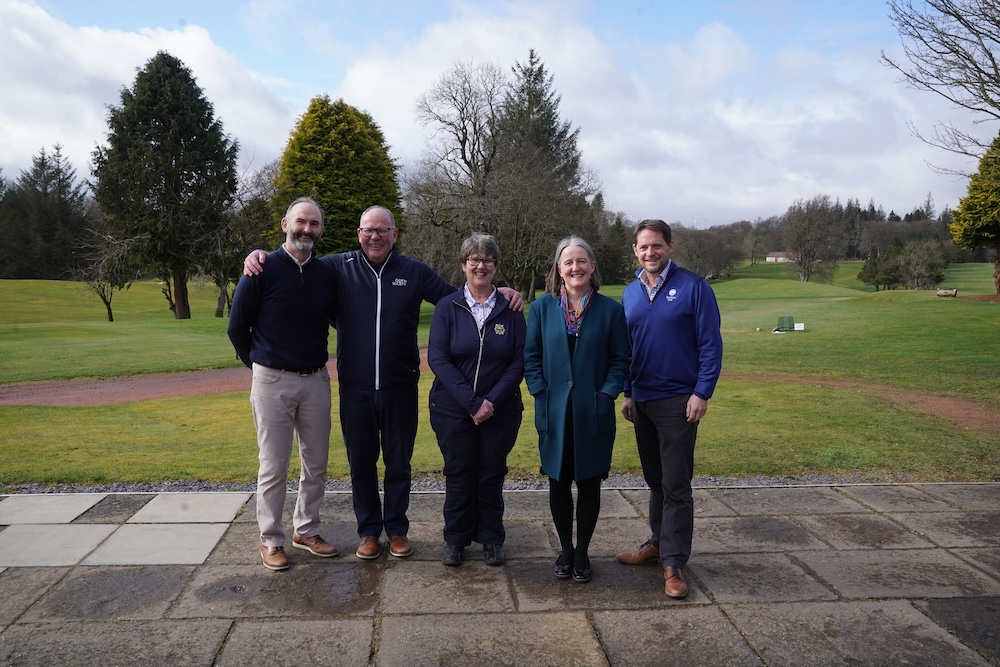
For example, the Golf in Society project has launched ten ‘golf health hubs’ across Scotland, leveraging the sport’s unique offerings to combat dementia, Parkinson’s and loneliness.
For clubs, this creates a powerful marketing advantage. By positioning themselves as community wellness centres rather than exclusive enclaves, clubs can attract a wider demographic, secure community asset transfers and build lasting local loyalty.


Leave a Reply