

Donald Trump’s golf resorts in Scotland continue to make headlines, not only for their prestige and political associations but also for their complicated financial structure. With more than $239 million in internal debt tied to the Trump Organization, both Turnberry and Trump International Scotland are emblematic of a business model that prioritises brand visibility and long-term positioning over immediate profitability. Despite reporting some revenue growth in 2023, questions remain over whether these iconic properties can achieve sustainable financial health in the years ahead.
The figures are stark. Turnberry, the jewel in Trump’s Scottish portfolio, carried $168.15 million in debt at the end of 2023 but managed to post $5.15 million in profit on $28.6 million of revenue. Trump International Scotland, in contrast, struggled once again, generating $5.02 million in revenue but recording a $1.9 million loss. Rising costs, from utilities to wage increases, were blamed for the continued losses. While Trump’s team has highlighted potential growth opportunities, the present balance sheets underline just how reliant these ventures are on internal financial support.
What makes the story particularly intriguing is how the narrative has expanded into unexpected arenas, including online wagering. Modern markets have shifted well beyond traditional sports odds. On Bitcoin betting sites, for instance, punters are not only predicting golf tournament outcomes but also speculating on the business fortunes of the sport’s major players and venues. Some niche platforms have even floated speculative odds on whether Trump’s golf courses might face forced sales, or conversely, whether future developments could finally turn a profit. These alternative markets have become attractive to users thanks to their fast transactions, anonymity, and global reach compared with more conventional options.
The complexity of Trump’s internal debt structure is central to the debate. Since the borrowings are tied to family-owned entities, external scrutiny is minimal, and repayment pressure is limited. This reduces the short-term risks but raises long-term questions about sustainability. Analysts such as Alan Jagolinzer have highlighted that Turnberry’s apparent debt reduction in 2023 was not the result of repayments, but of currency fluctuations. With the Trump Organization heavily exposed to movements between the U.S. dollar and sterling, exchange rate swings could significantly alter the appearance of progress.
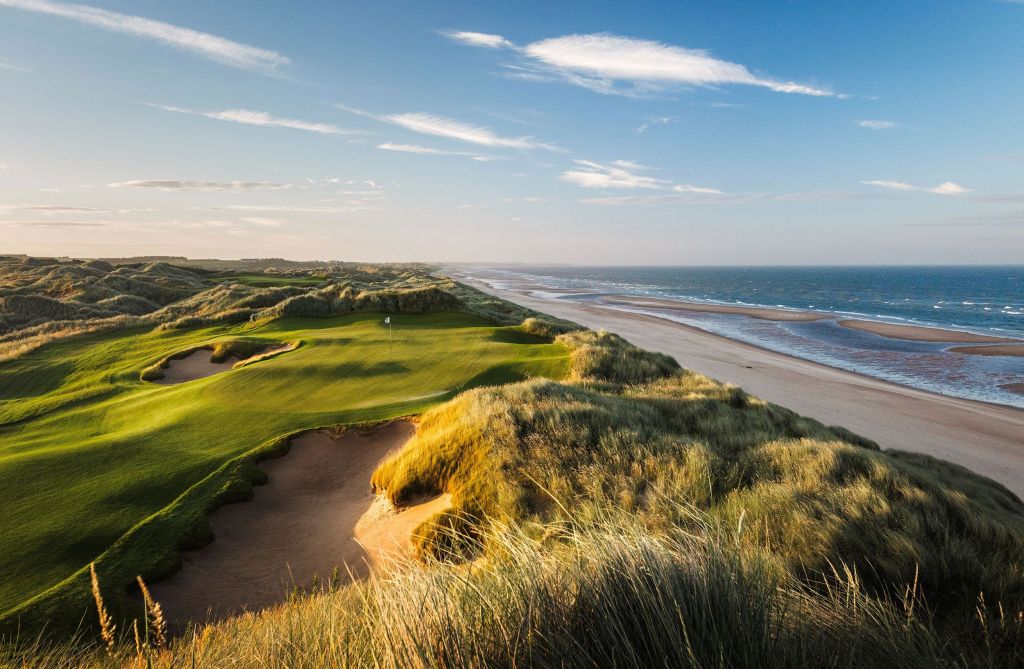
Eric Trump has maintained that the losses at Trump International Scotland are transitional, citing major investment in infrastructure, marketing, and a new golf course that opened in July 2025. He argues these expansions will drive future growth and eventually justify the large sums poured into the properties. Nonetheless, the broader development plans for hundreds of luxury residences and commercial units remain on the drawing board. In Aberdeenshire, where four courses were once promised, only two have materialised. The long timelines attached to these projects raise further doubts over whether they will deliver returns within the next decade.
Auditing changes have also raised eyebrows. Since 2021, the resorts have been overseen by BDO, replacing the long-serving Johnston Carmichael. Forensic accountants suggested this might point to deeper financial or accounting complexities. Eric Trump dismissed the concerns, insisting the change was part of a broader consolidation. Yet with debts held internally and audits now managed under a different firm, the transparency of these operations remains a question mark for financial observers and critics alike.
Prestige, however, remains one of Trump’s strongest assets. Turnberry has continued to host influential figures, including political leaders such as Prime Minister Keir Starmer and European Commission President Ursula von der Leyen. These visits, while not necessarily adding directly to the profit sheet, reinforce the brand’s role in diplomacy and soft power. The ability of the resorts to attract global attention ensures that Trump’s name continues to resonate on an international scale, regardless of the financial results.
For many, this intertwining of politics, sport, and business is where the true value lies. Trump has long insisted that his golf courses are not just about green fees but about wider development opportunities. This has always included hospitality, housing, and brand leverage. While critics point to years of underperformance, the Trump Organisation’s defence lies in the long game: using prestige projects to secure influence, visibility, and eventual financial pay-off once the developments are complete.
From a broader perspective, the Trump case highlights the challenges faced by international golf investments in a volatile economic climate. Rising wage costs, inflation, and currency fluctuations all play into the financial outcomes of such properties. Even with internal debt, the balance between prestige and profitability is difficult to maintain. For Trump, who has made his name synonymous with high-profile real estate, the Scottish projects remain as much about symbolism as they are about spreadsheets.
Looking ahead, much rests on the success of the new course in Aberdeenshire and whether housing development can finally gain momentum. Investors, analysts, and even curious punters on alternative betting platforms will continue to watch the saga unfold. Whether these ventures ultimately represent a masterstroke of long-term brand building or a prolonged financial burden will depend on decisions made in the next few years. For now, the debt puzzle remains unresolved, and the story of Trump’s Scottish golf empire continues to be written.


Leave a Reply