

Mark Bentley, a PGA professional and AimPoint certified instructor, was diagnosed with prostate cancer in February 2022 at the age of 59. Here, in his own words, Mark shares his story to raise awareness about prostate cancer and encourage other men at risk to speak to their doctor, and to support Prostate Cancer UK’s work in golf.
I’m a PGA professional and specialist putting coach. In February 2022, at the age of 59, I received a prostate cancer diagnosis that changed my life. I had been experiencing some subtle changes in my body for a while. I was waking up multiple times during the night to urinate. When I did go, I would stand there for ages and not much would come out, with very low pressure. It didn’t feel right, so I went to the doctor for advice. Thankfully, given my age and the symptoms that I described, the doctor advised me to have a simple blood test to check my PSA (Prostate Specific Antigen) levels.
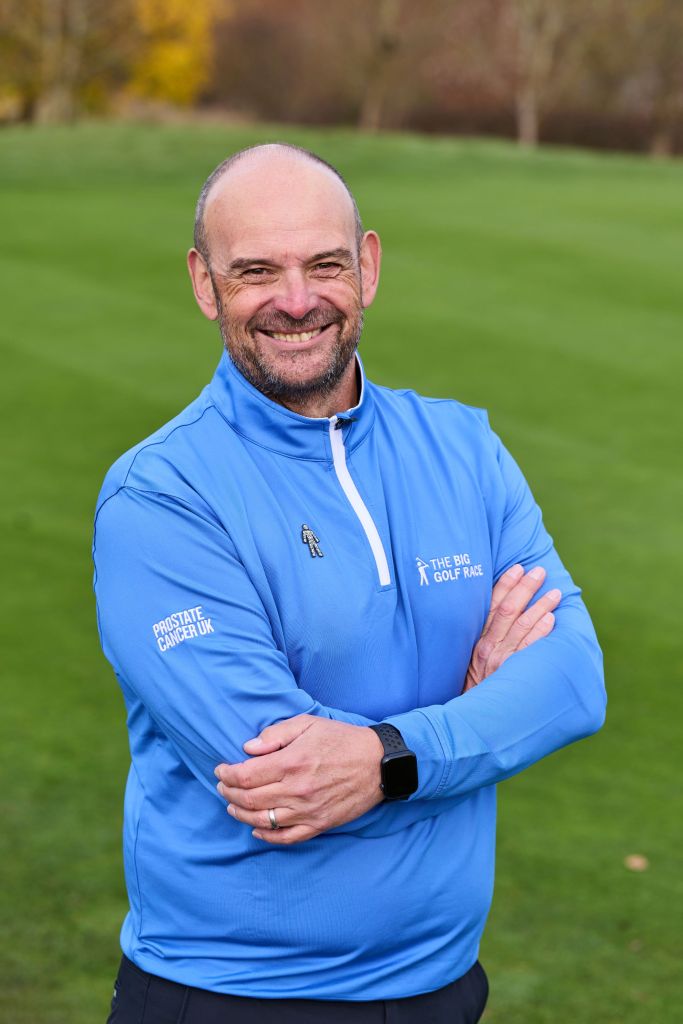
The results showed my PSA level was only 0.1 above the upper threshold for my age. Even though it wasn’t drastically high, the combination of my symptoms and the elevated PSA reading prompted my doctor to refer me for a multiparametric MRI (mpMRI). The MRI revealed something suspicious, leading to a biopsy that confirmed the bad news – I had prostate cancer.
Hearing those words was like someone had burst my balloon. I deflated and slumped in the chair, shocked and unprepared for that news. I didn’t expect it at all. My wife Joanna, who was with me at the appointment, had a similar reaction. It took a while for the news to sink in and for me to start to get my head around it.
Eventually, I had to share the news with my children. Gathering everyone together, we went for a walk in the park with the dog, and I told them about my diagnosis. They were understandably upset and worried, but I tried to reassure them that prostate cancer, when caught early, has a very good recovery rate. I kept telling them, and myself, that it could be fixed.
The wait between my diagnosis in February and the operation in April was excruciating. The uncertainty and fear were overwhelming – this was definitely the most difficult period. During that time, my PSA level rose dramatically, making it clear that the cancer was aggressive and needed to be addressed urgently.
I had a robotic-assisted radical prostatectomy, performed by a specialist in prostate cancer using the Da Vinci robot. Thankfully, the operation was successful. My surgeon later told me that the tumour had already broken through the prostate wall, but only by a fraction of a millimetre. He had managed to remove it with a clear margin around the edge, likely saving my life.

The post-op recovery was surprisingly smooth. I had very little pain, requiring only a couple of paracetamols. However, like many men who undergo this procedure, I experienced some common side effects including urinary leakage, which was a challenge. However, as everything healed, my plumbing returned to normal.
I had regular blood tests every six months to check my PSA levels and for three years my PSA was undetectable, which is fantastic news, and means my tests have now become annual.
Throughout this experience, the hospital staff, especially the nurses, were incredible. They provided exceptional care and support, always there to hold my hand, both literally and figuratively. They reassured me, provided clear explanations, and eased my worries with carefully chosen words. The Prostate Cancer UK information pack that the hospital gave to me was invaluable. It became my bible, providing reliable information and guidance.
I strongly advise anyone facing a prostate cancer diagnosis to avoid Dr Google and only rely on reputable sources like the Prostate Cancer UK website. It offers accurate and up-to-date information without the unnecessary scaremongering often found on the internet.
My experience has opened my eyes to the prevalence of prostate cancer, particularly among men who are unaware they have it. Since my diagnosis, I’ve encountered numerous people who have also been diagnosed, many of whom had no symptoms. This is why regular testing for men most at risk of prostate cancer is so important.
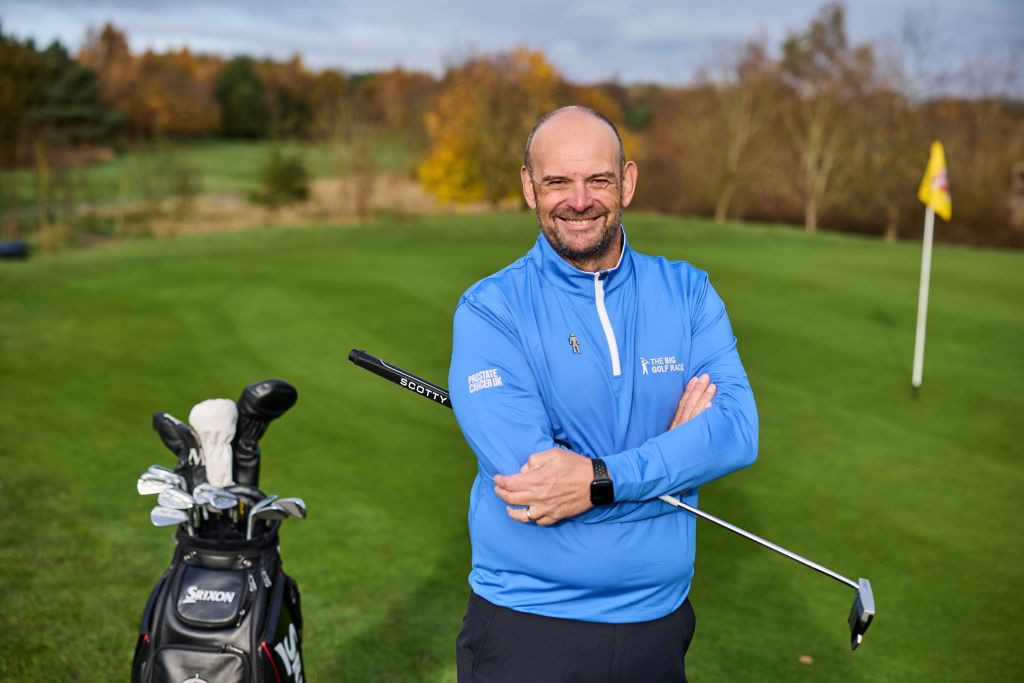
How can golf industry professionals help?
People working in the golf industry like a PGA professional like me are ideally positioned to reach a large audience of men who might not otherwise be aware of the risks of prostate cancer. I urge those working in the golf industry – PGA professionals, golf club and resort managers, golf manufacturers and retailers – to use their to use their platform to raise awareness about prostate cancer amongst their members, many of whom will be at risk of prostate cancer (one in eight white men and one in four black men are at risk). They can encourage speaking to their doctor about a simple blood test as part of a holistic approach to health and well-being, potentially saving lives.
The Big Golf Race is a fantastic initiative by Prostate Cancer UK, and I believe golf clubs can play a significant role in supporting it. You can get involved in a variety of ways. You can encourage golfers to help raise vital funds for research and support services.
Encourage members to form teams and take part. You could also explore other fundraising initiatives such as charity days or tournaments, with the proceeds donated to Prostate Cancer UK. One of the things that prostate cancer has done for me is affect my energy levels – they’re not what they used to be.
I’m speaking to the PGA professional at Forest Pines to see how he can support Prostate Cancer UK’s fundraising and awareness initiatives.
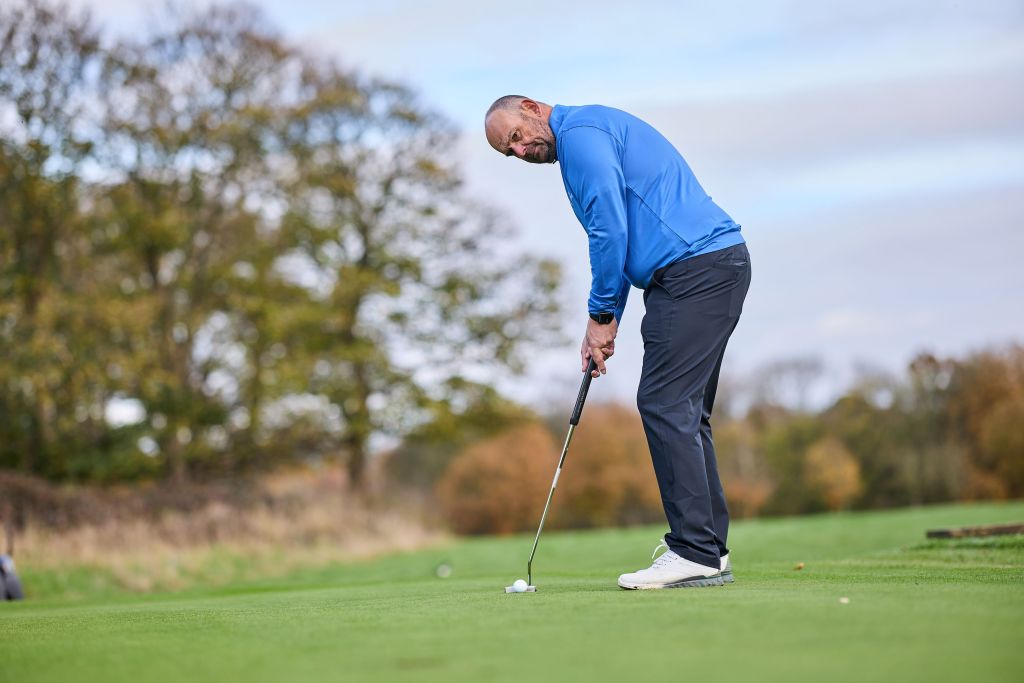
Sharing my story will hopefully make this challenge that I experienced more powerful and relatable to other men. Those working in the golf industry who have faced prostate cancer could consider sharing their stories to reduce stigma, encourage men to visit the doctor and inspire others to take action. Golf clubs could incorporate prostate cancer awareness messaging into their newsletters, website or social media channels. This could include information about prostate cancer risk and symptoms, and links to Prostate Cancer UK’s resources. By taking these actions, the golf industry can play a vital role in raising awareness about prostate cancer within the golfing community. Your efforts could potentially save lives by promoting early detection and encourage men to prioritise their health.
My story highlights that early detection is crucial. Don’t wait for symptoms to appear. If you’re over 50, or a man with a family history of prostate cancer, ask your doctor for a PSA test – you’re entitled to it.
It could save your life – it definitely saved mine. Find out your prostate cancer risk and what to do about it. It takes 30 seconds.
Visit prostatecanceruk.org/risk
Mark Bentley’s career
From leaving college, I’d been involved in the family laundry business which originally started in 1890.
Unfortunately, after 115 years of trading, the business closed in 2005 (I’d worked there for 25 years). We simply couldn’t compete with other laundry companies who specialised in one of the three sectors that our business operated in: supplying linen services to the NHS, linen services to hotels and the supply of protective clothing to factories and garages and so on.
After the sale of the business, I took some time out to look after my mother as my dad passed away as the business was being sold.
After a couple of years, I got back to playing golf again and actually went on to play some of the best golf of my life but, due to injury, I had to have surgery on both of my elbows which put me out of action for another 12 months.
During my recovery I started working with a mind coach called Karl Morris – this was the beginning of my journey into a new career of coaching. Really, the skills and information Karl taught me – I’d never heard of all this stuff; it was like learning to speak a new language! I ended up working with Karl for about three years and learned a lot about how elite golfers think and behave on the course. It became clear to me that if I could learn the technical side of the game to sit alongside what I learnt from Karl on the mental side of the game, I would become a more holistic and therefore a more complete coach. So, in my mid 40s, I began the journey to become a PGA professional.
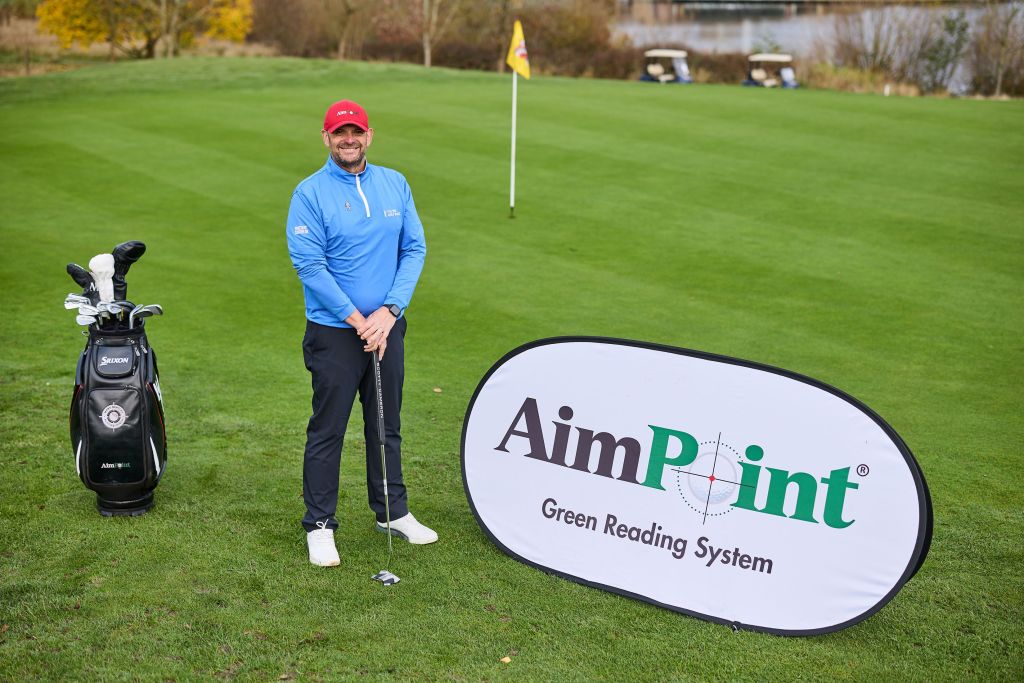
Whilst training to become PGA qualified, I worked with a putter manufacturer which inspired me to specialise in all aspects of putting. I built a putting studio and installed a Quintic system (a launch monitor for putters) and began giving lessons. I realised I needed to know more about green reading to enhance my coaching knowledge and, having researched the subject, found only one method I believed was proven to work – AimPoint.
AimPoint Golf are very particular about who they allow to coach their system – you’ve got to be right. To expedite the process, I flew to America to meet Mark Sweeney, the man who developed AimPoint. At that meeting, he agreed to me becoming a certified AimPoint instructor. From my initial approach it took four years to become a certified instructor.
I then approached Forest Pines Golf Club in Lincolnshire, as I needed access to a large outdoor green to teach AimPoint. Their putting green facilities are the best in my area, and I’ve been there ever since. All the way through my illness with prostate cancer, they’ve been great to me and very understanding. They appreciate that AimPoint attracts people to the club and hotel as I get people coming for lessons from all over the country, even Europe.
I’m one of only a few AimPoint coaches in the UK who focuses exclusively on putting and having learned from past experience, if you specialise in something, you’ve a greater chance of success.
Over the years, I have developed a reputation as the main AimPoint coach in the north of England and this has led me to work with some of the games best amateur and professional players including DP World Tour winners.

If anyone would like to know more about AimPoint or how you can support Prostate Cancer UK, please feel free to get in touch.
My contact details can be found at www.markbentleygolf.co.uk.


Leave a Reply