


The CEO of England Golf has revealed that English golf clubs have collectively seen 20,000 new members join them in the three months since most venues reopened.
This almost certainly represents the biggest membership growth over a three-month period in history.
Speaking to The Sunday Times, Jeremy Tomlinson said: “Since May 13, there have been 20,000 new members across England. The number of rounds played in June and July was up 60 percent on 2019 and is trending towards the same increase for August.”

“I’ve played golf for a long time, at all levels, and I’ve never seen anything like what’s happened since lockdown ended,” said Ricky Willison, the former Walker Cup player who is now director of Ealing Golf Club in west London.
“The numbers playing, the inquiries about membership, the number of club fittings.
“We’ve taken in over 100 new members at Ealing since April. People from all walks of life, not just people from the traditional demographic but from families wanting to do things together. Neil Jordan, my colleague at Ealing, is booked up for lessons until August 30. That’s every half hour from 8am to 12.30pm five days a week. I have been flat out pretty much every day since we’ve come out of lockdown.”
Moray Golf Club in Scotland is another to report a membership boom. It has attracted the 320 new members and counting. The club is also seeing the course become extremely popular with nearly double the number of people playing on it this August compared with a year earlier.
Derek Ramsay, PGA professional, said: “When the country went into lockdown, we predicted that we would be out of money by July. However, things are even better now than usual, and it’s been amazing to see such a significant improvement in memberships – especially with young people.
“We’re seeing many new members who had never even played, and certainly had never been members of any golf club before. We had to figure out a new method of scheduling tee times to make sure everyone got their time on the course.”
The Sunday Times analyses why membership growth has soared.
‘During the early weeks of renewal, the weather was good and having been imprisoned in their homes for the previous seven weeks, people realised how much they enjoyed their game,’ it says.
‘Being forced to book in advance and play in two-balls eliminated two of the amateur game’s greatest bugbears: the 4½-hour round and time wasted hanging around a congested first tee.
‘With a significantly increased demand for playing time from their own members, clubs were no longer in a position to accommodate non-members wishing to pay and play. As a consequence, many non-affiliated golfers had to join a club to be sure of getting a game. [Plus it’s] a game that could be enjoyed in relative safety during this global pandemic.’
Colin Mayes, the CEO of Burhill Golf and Leisure, said the rise in people working from home due to the pandemic has also played a significant role in the increase in rounds played.
“A lot of our members at Burhill work in the city and because they’re not travelling into the office, they’ve got two hours of their life back,” he said.
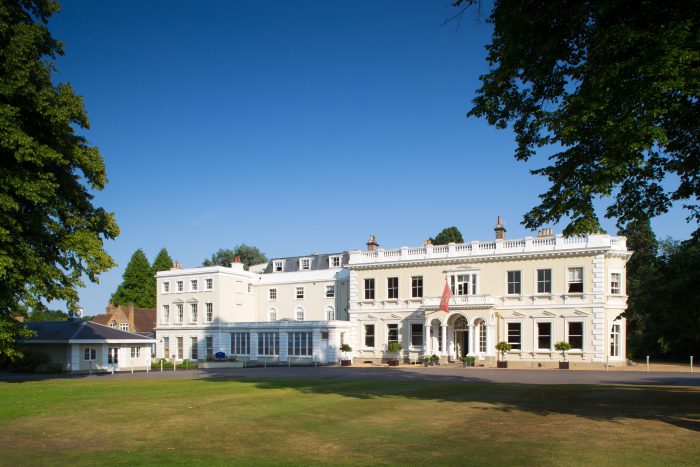
“By being more efficient working at home, they’ve suddenly got four hours available. Instead of playing once a week, as they did previously, they’re now playing two or three times a week.”
Alasdair Good, the head professional at Gullane Golf Club in East Lothian, concurs: “People in Gullane travelled into Edinburgh and they didn’t get home in the evening until about half six. They then had their tea at seven o’clock and had no opportunity to get on the course,” he said.
“Now they’re at home, working until five o’clock, switching the computer off and they’re on the tee for quarter past five. We’ve seen a huge resurgence in evening golf.”
Mayes added that pay-and-play venues are also booming at the moment.
“There has been probably a 30 to 40 per cent increase [at our venues],” he said. “In July we had a 31 percent increase against the previous year at Hoebridge GC in Surrey. And here is another interesting stat: the short-course rounds, which is the beginner course, are double what they were last year. We did 32,000 short-course rounds in July compared with 16,000 the previous year.”

The paper also states that tennis, another sport that allows natural social distancing, has also enjoyed significantly increased participation since clubs and public courts were reopened. There has been a 372 per cent increase in court bookings from reopening in May to the end of July, compared with last year’s figures.


Leave a Reply